Ideas de Penínsulas de Cocina que Merecen su Espacio
Distribuciones, opciones de asientos y detalles de almacenamiento que convierten la península en la superficie más versátil de tu cocina.
Vista previa con IA en 45 s
A partir de cualquier foto de habitación
Pruébalo gratis · Visualiza estilos en segundos
Galería de Ideas para Penínsulas de Cocina
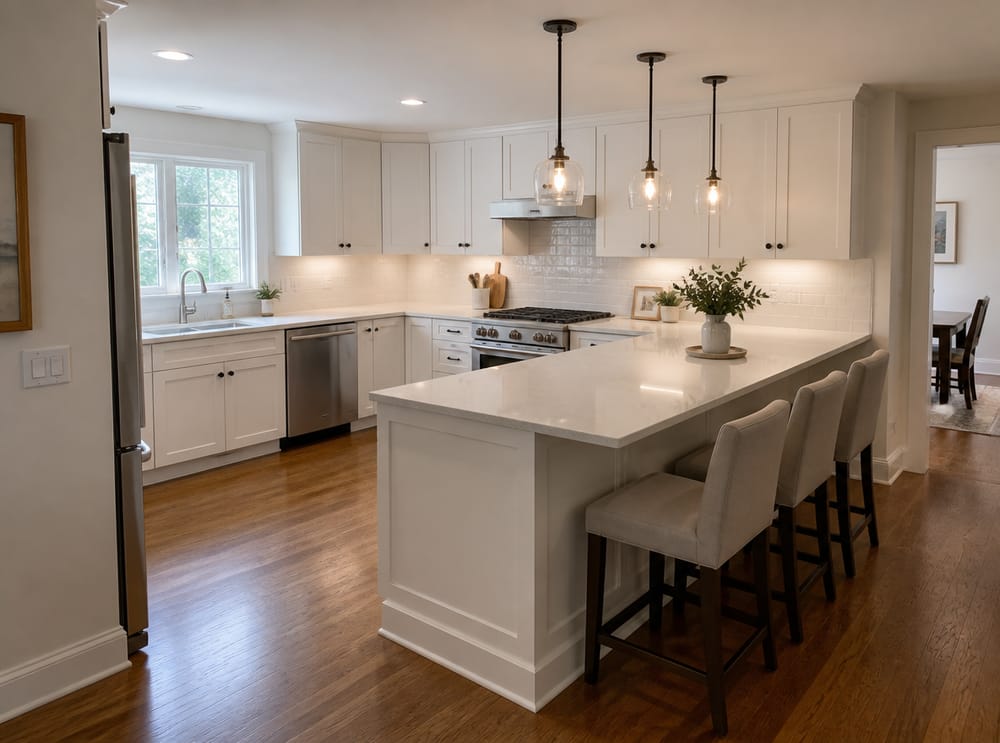
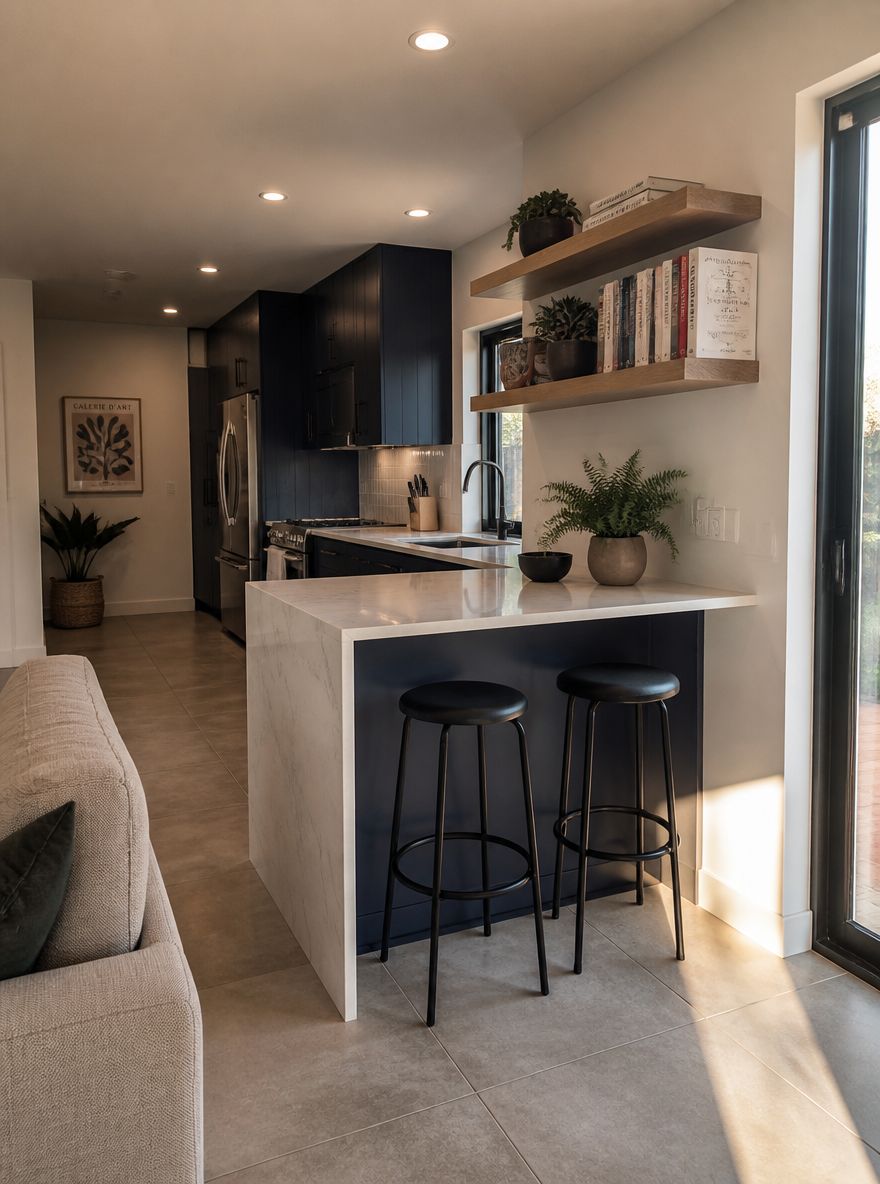
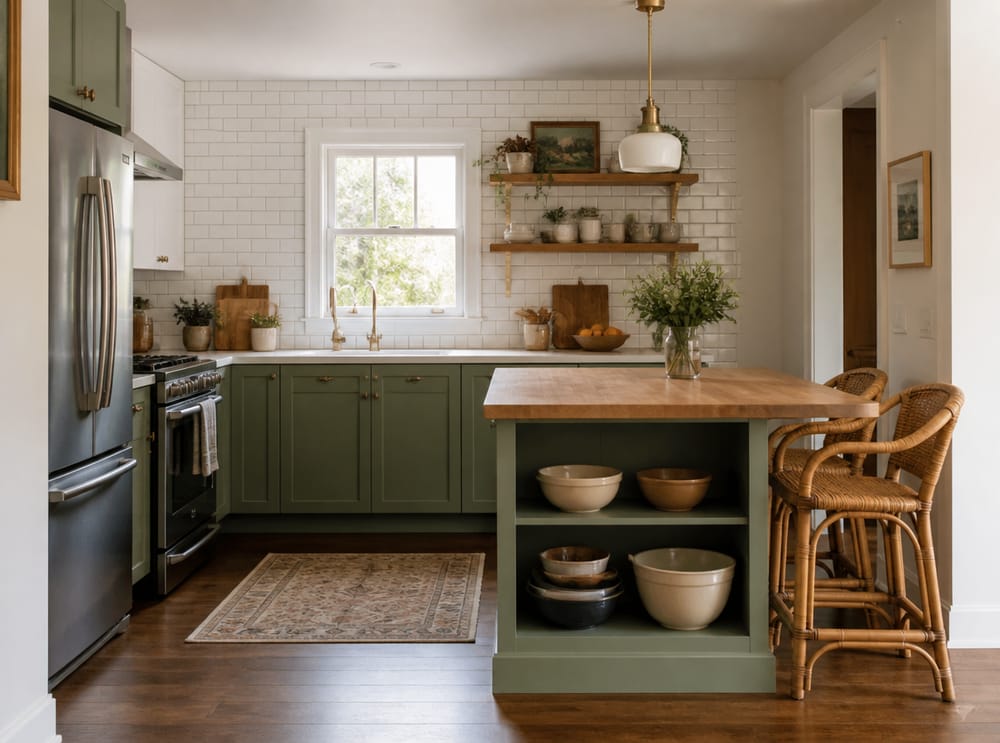
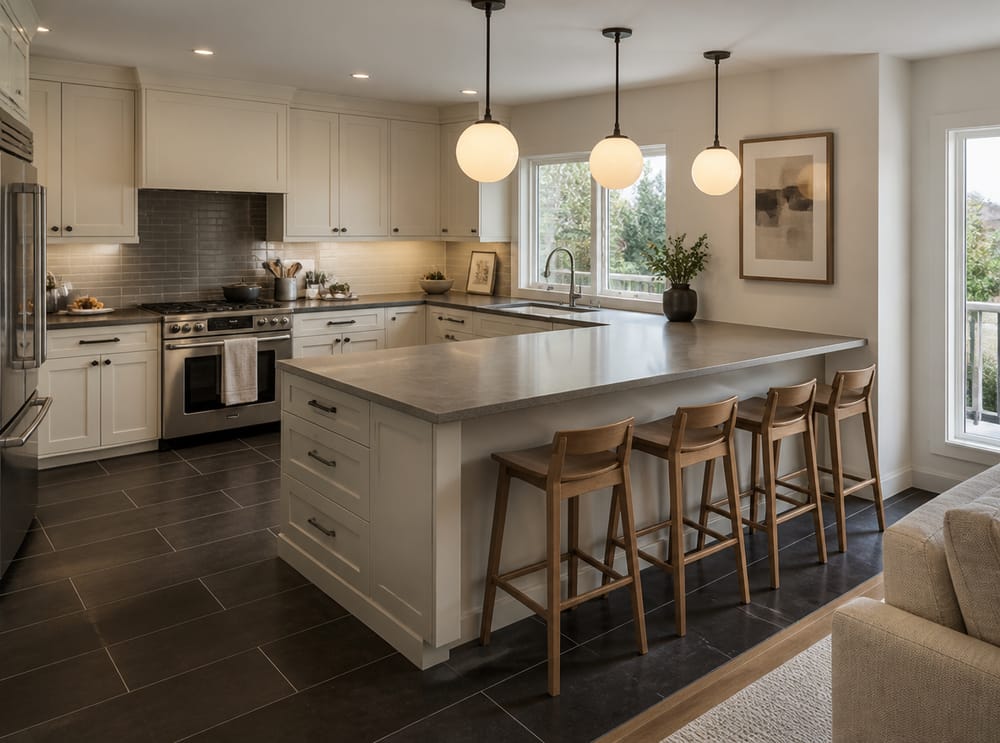
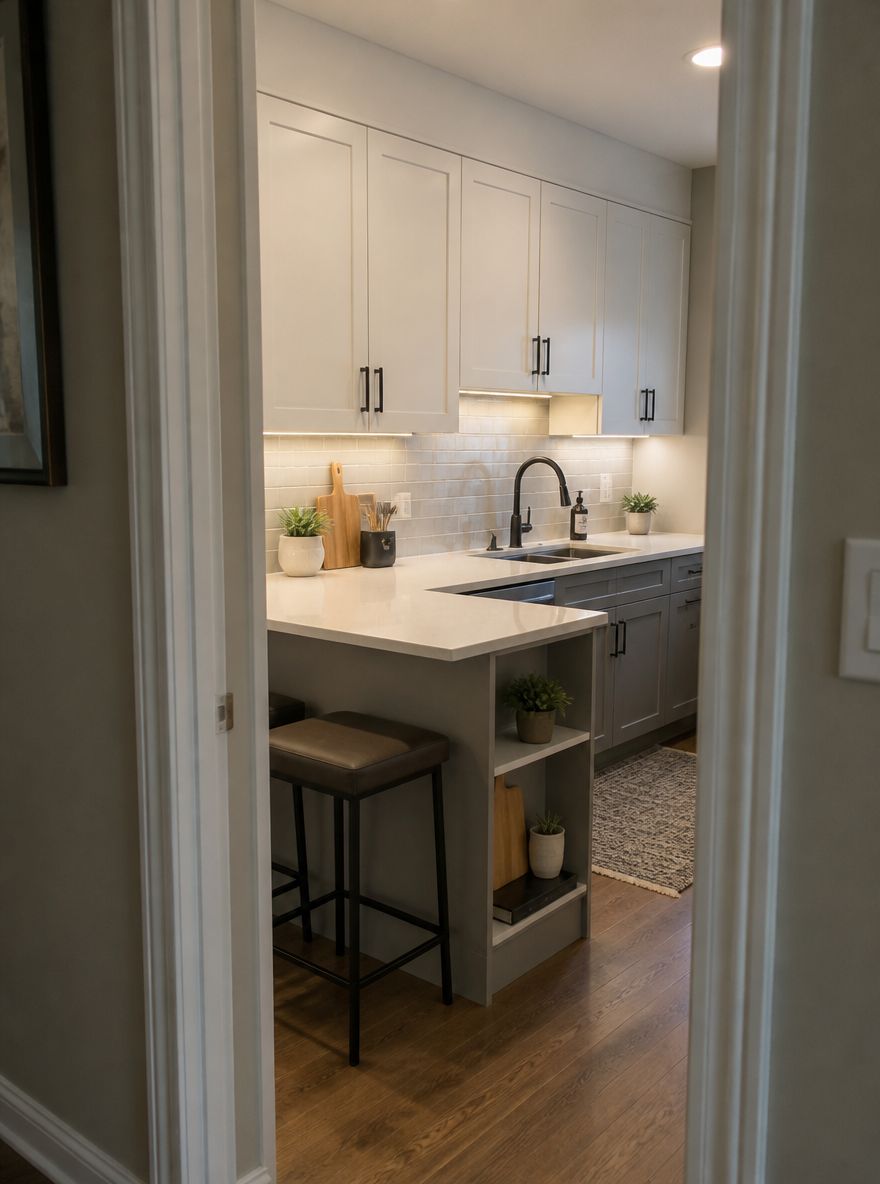
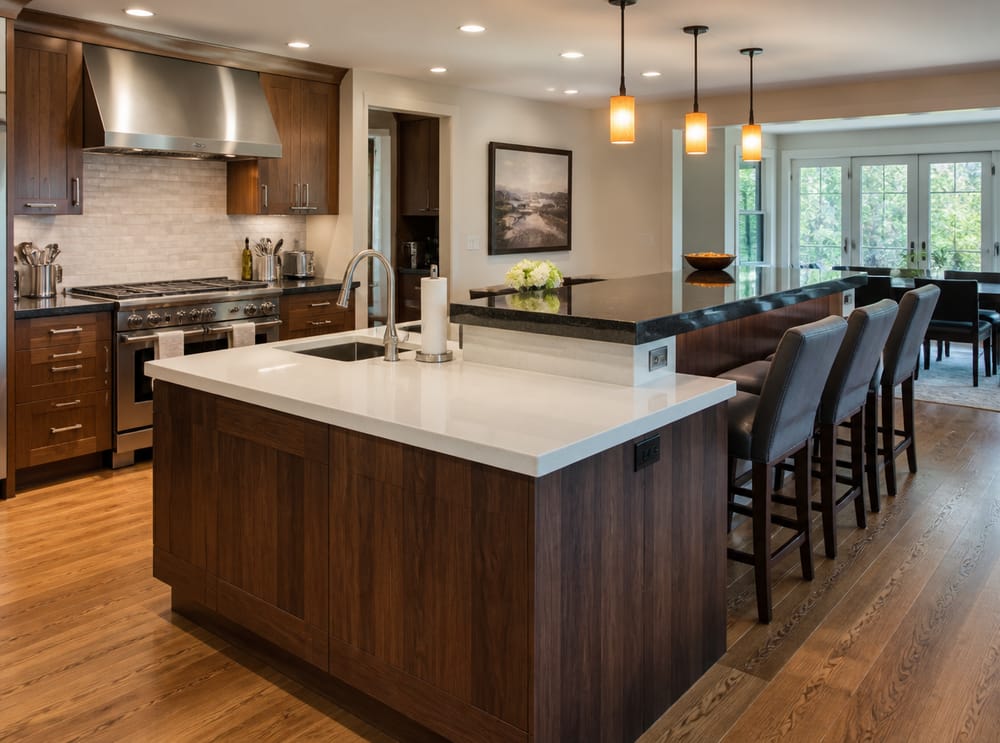
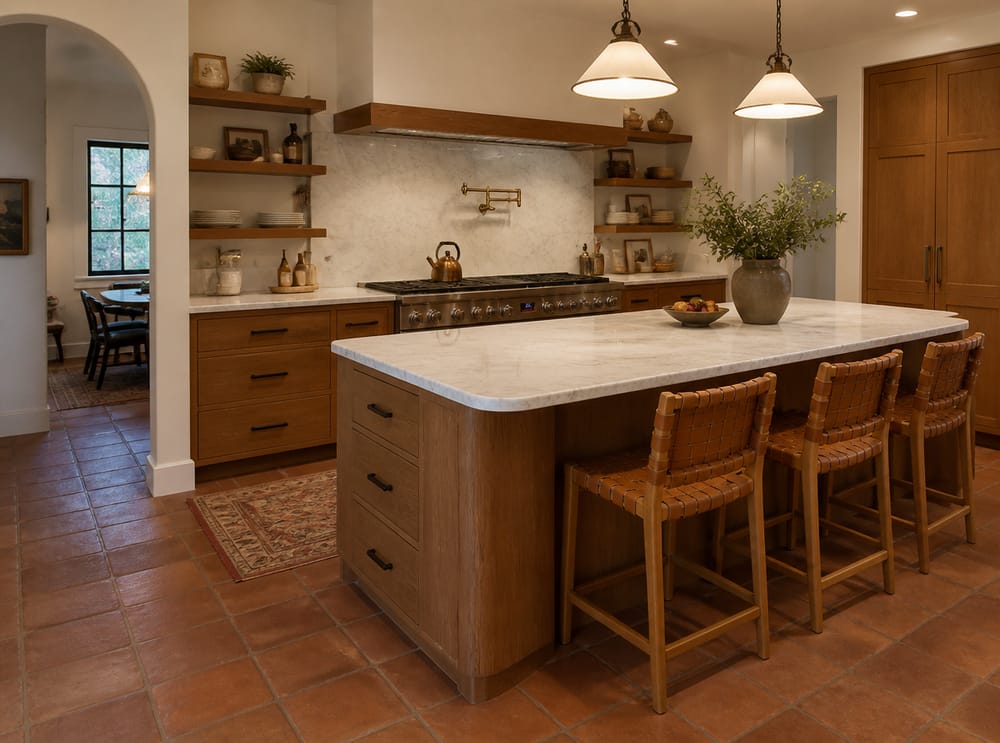
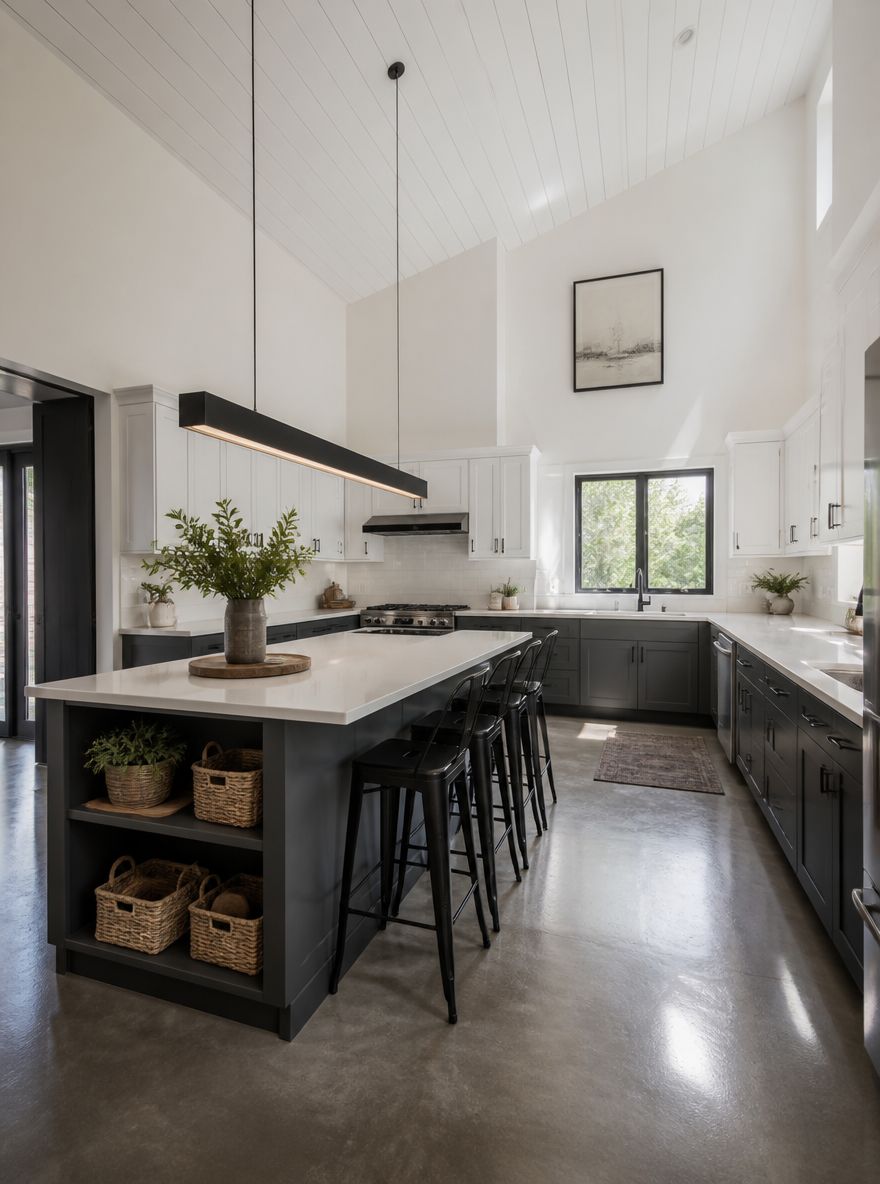
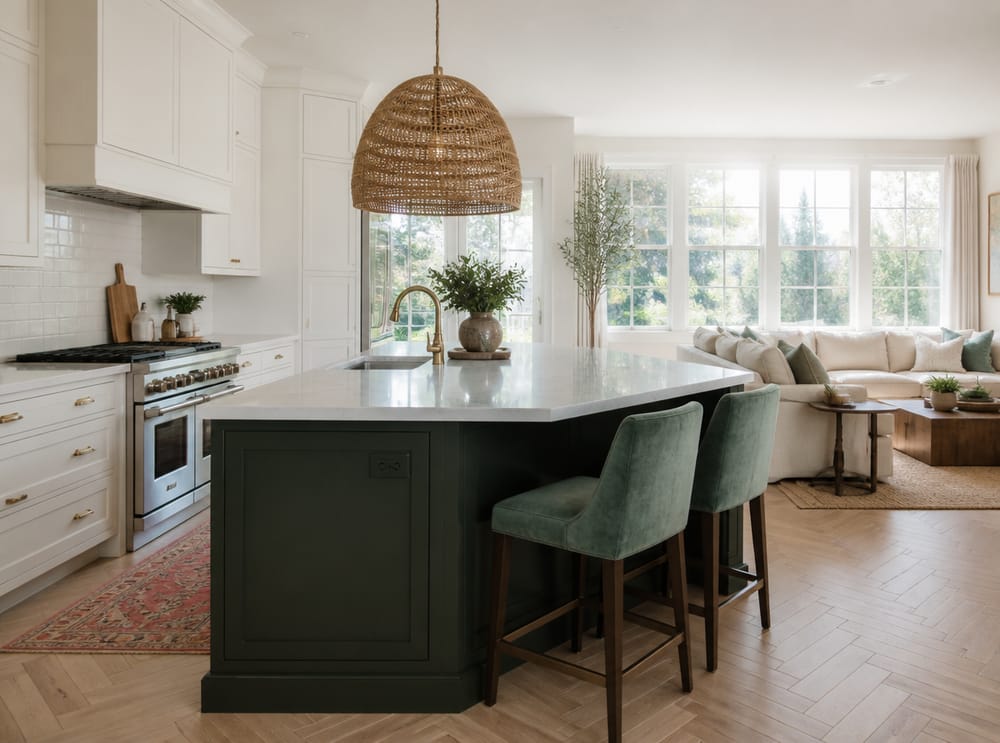
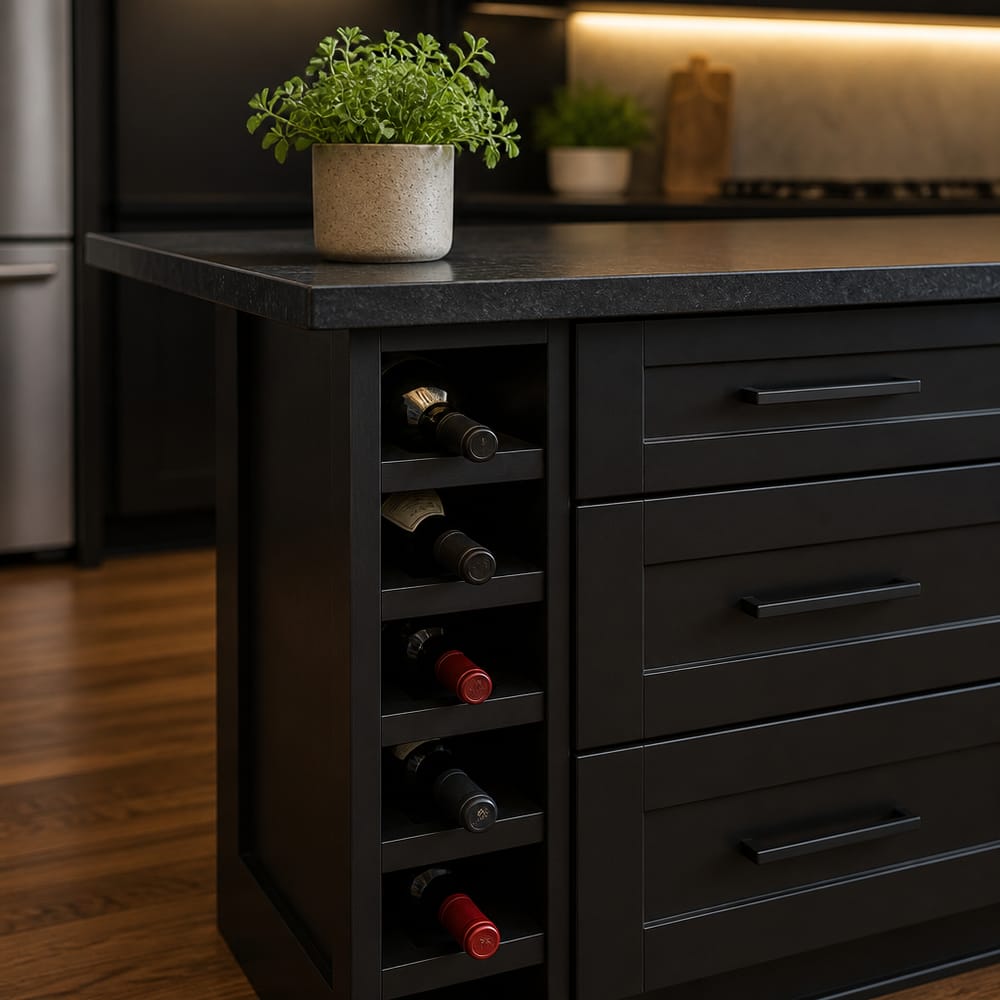
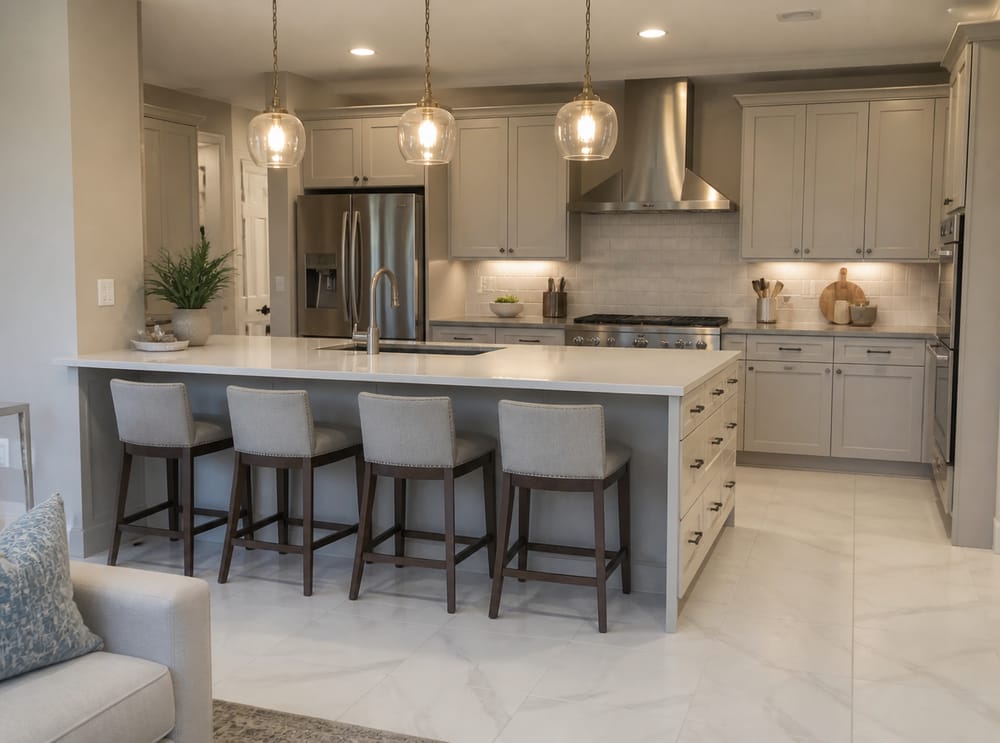
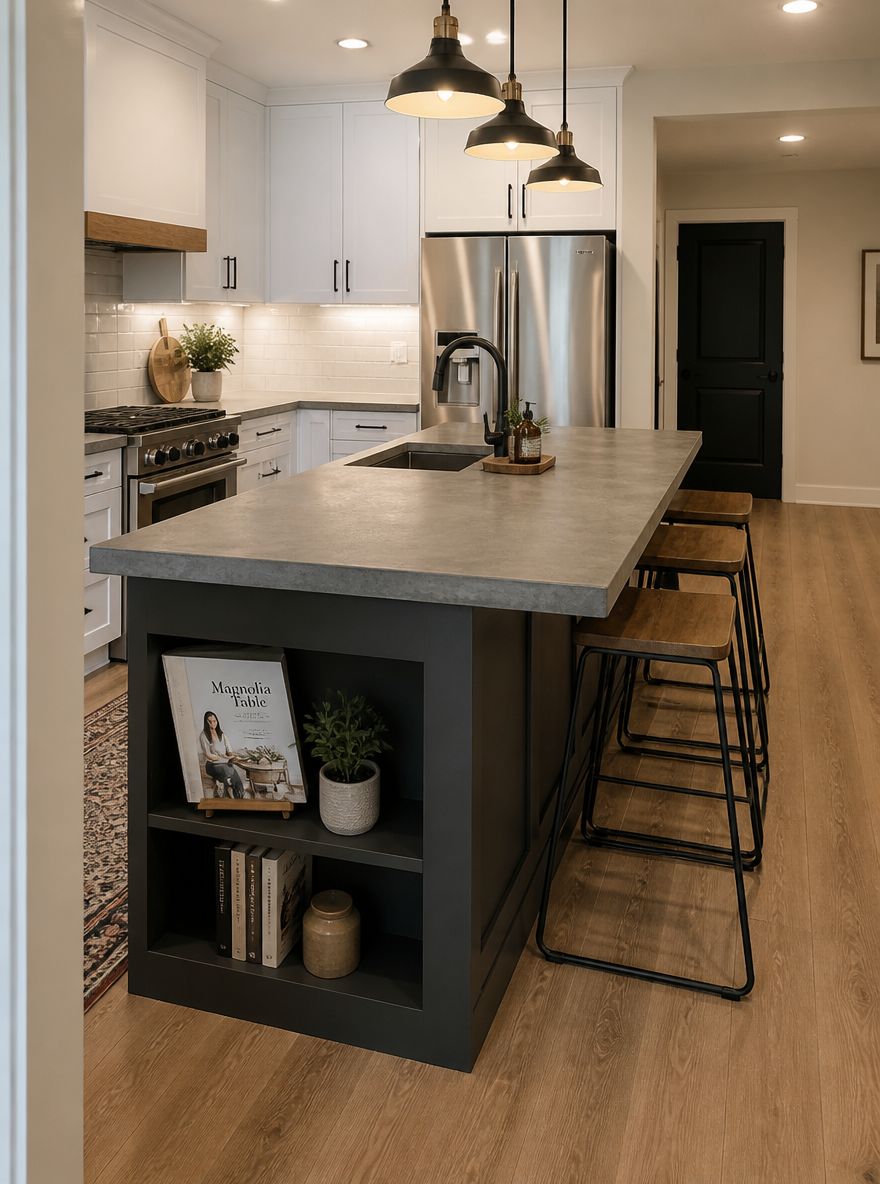
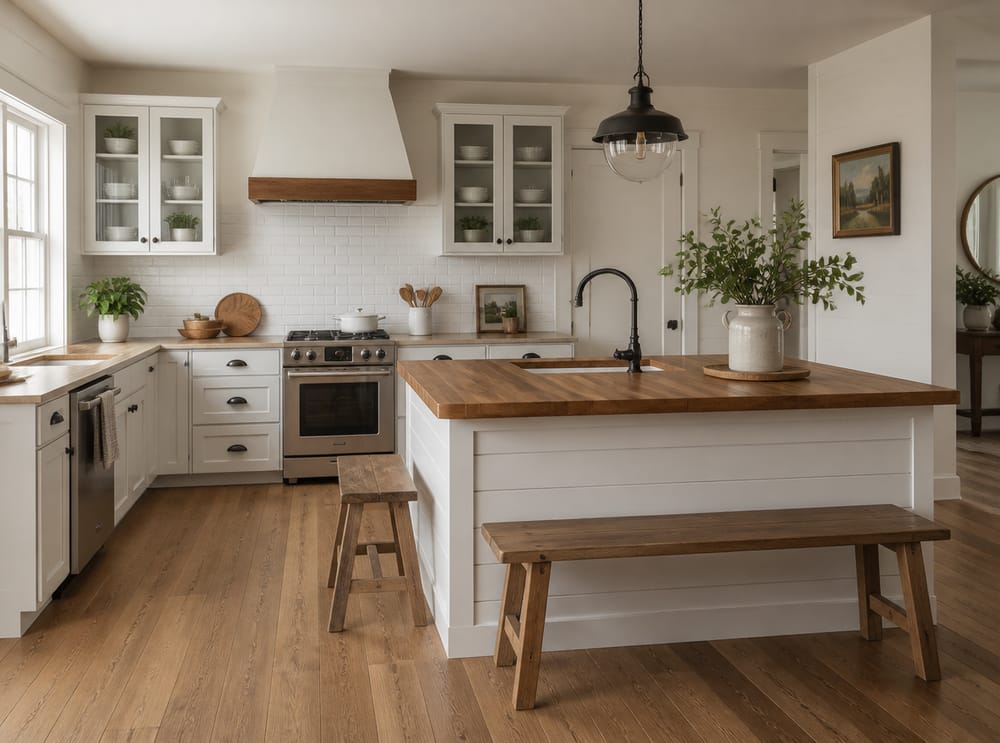
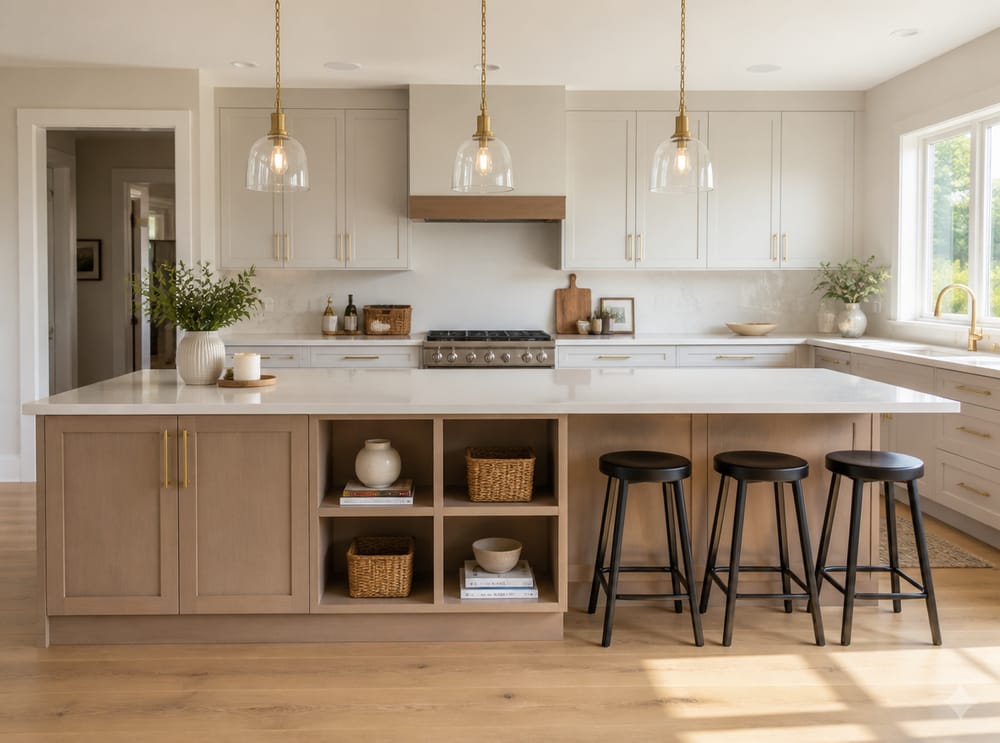
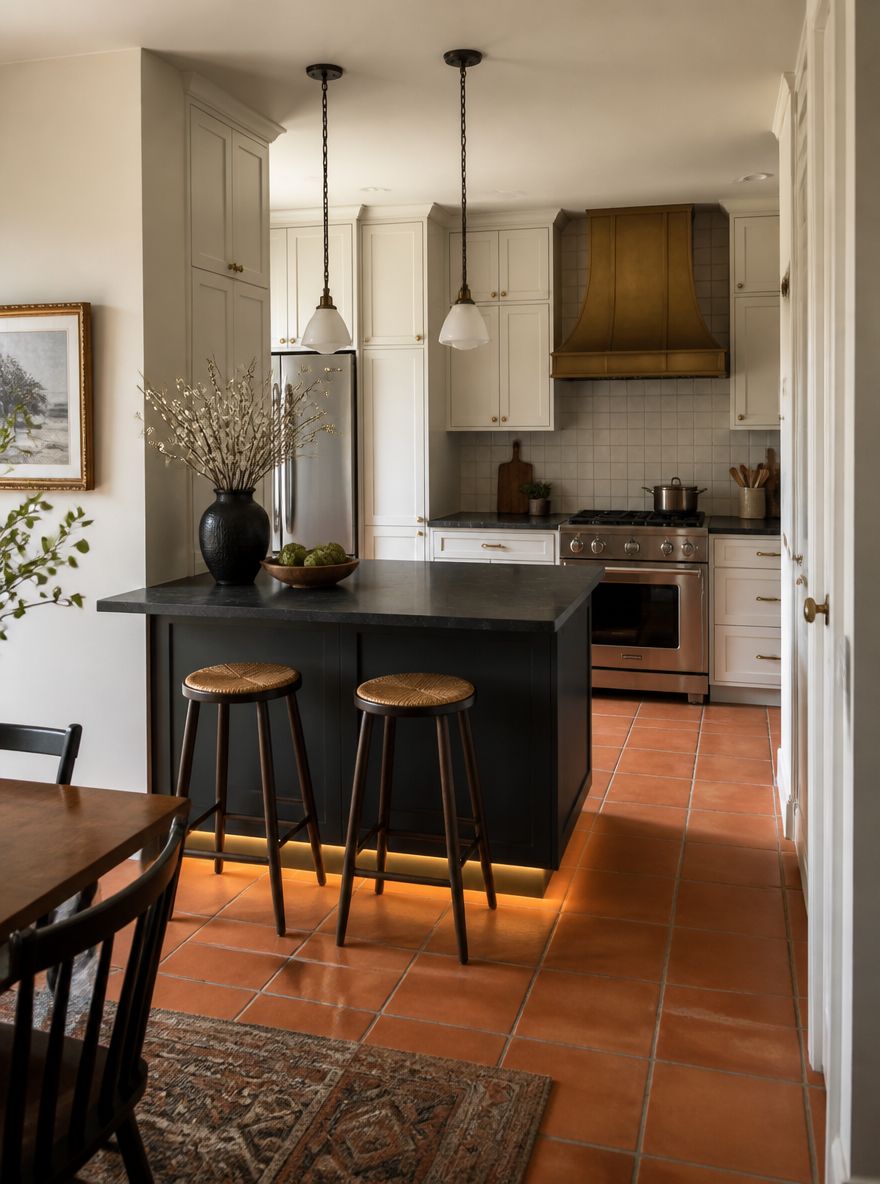
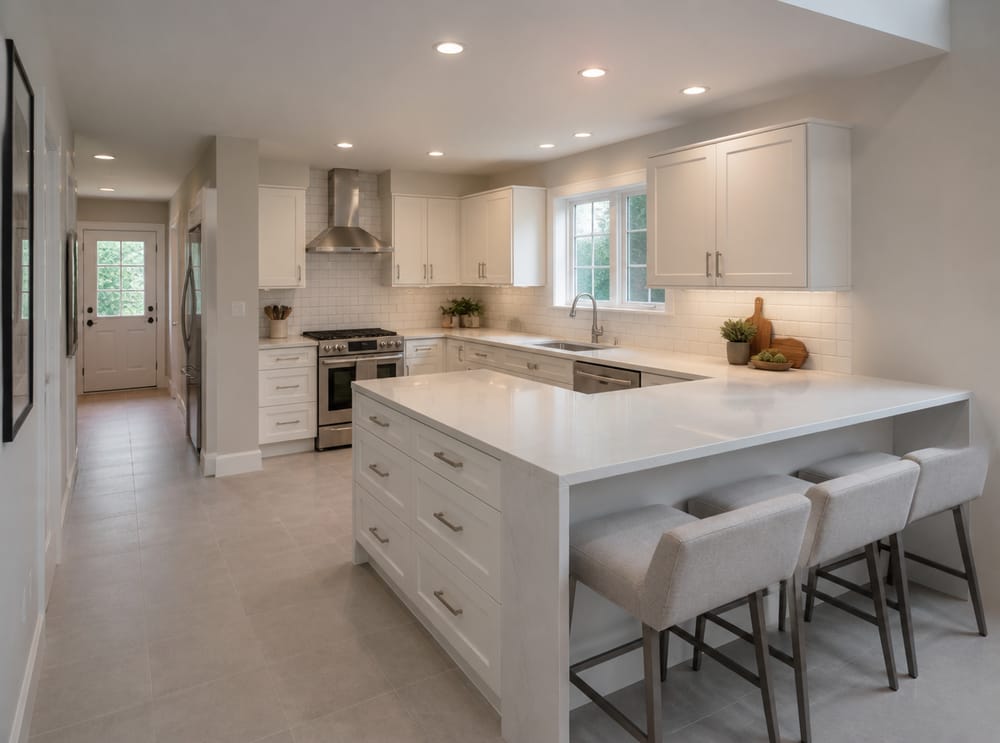
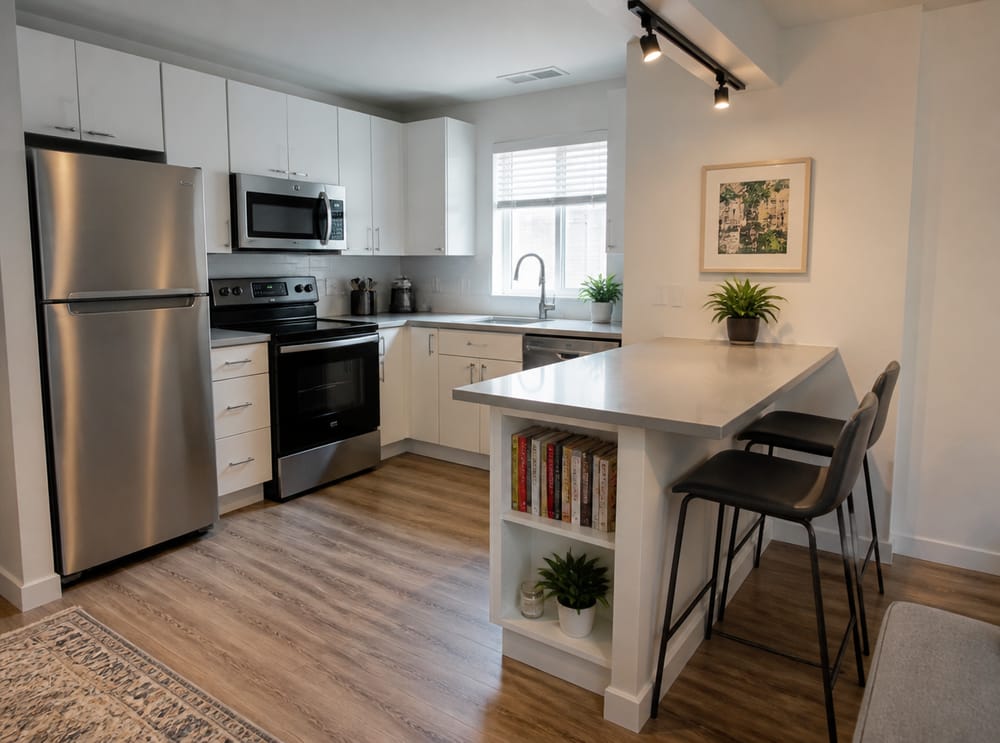
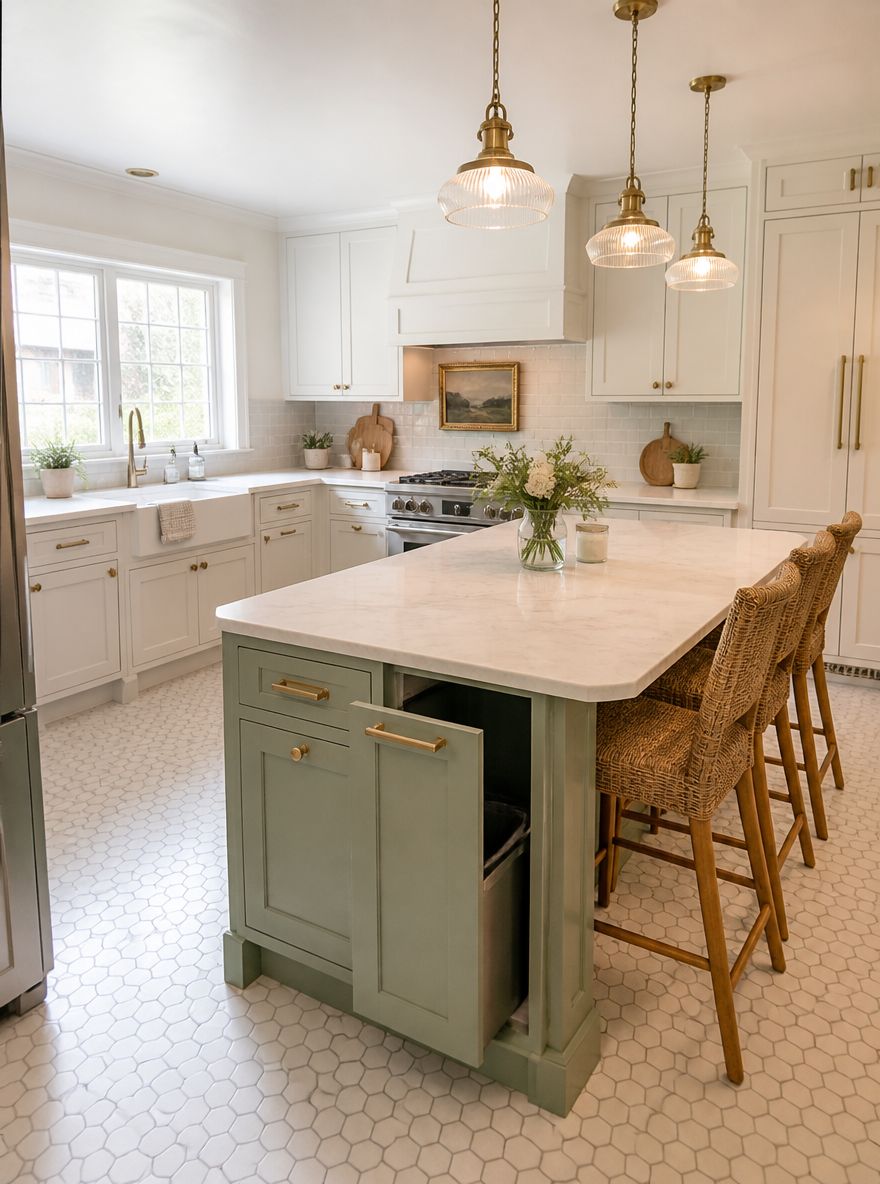
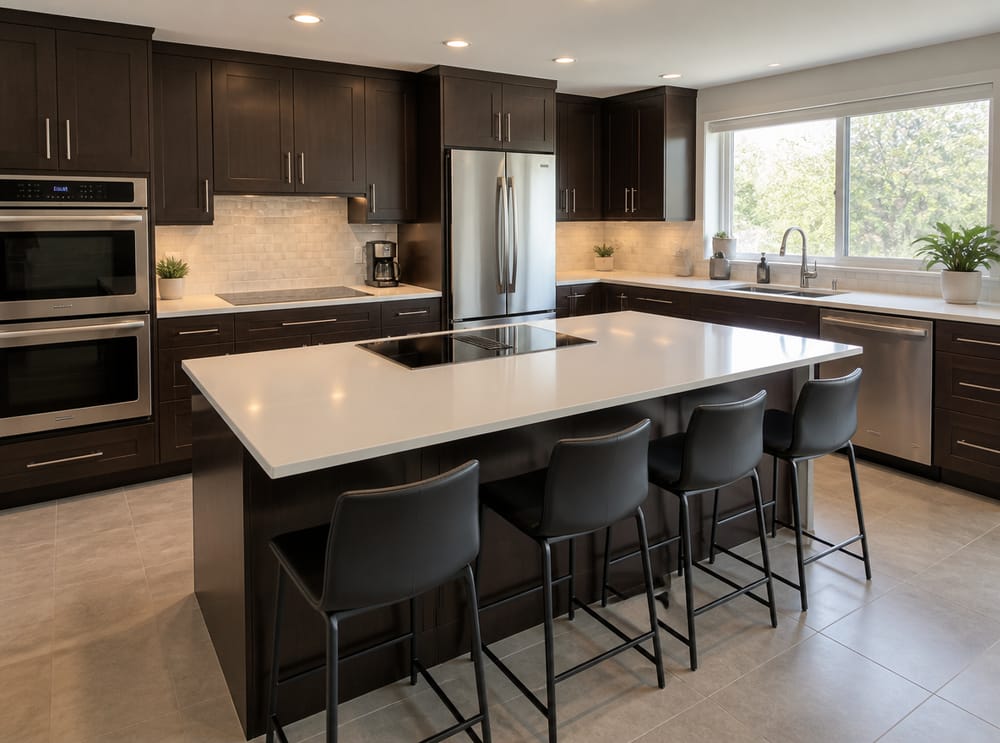
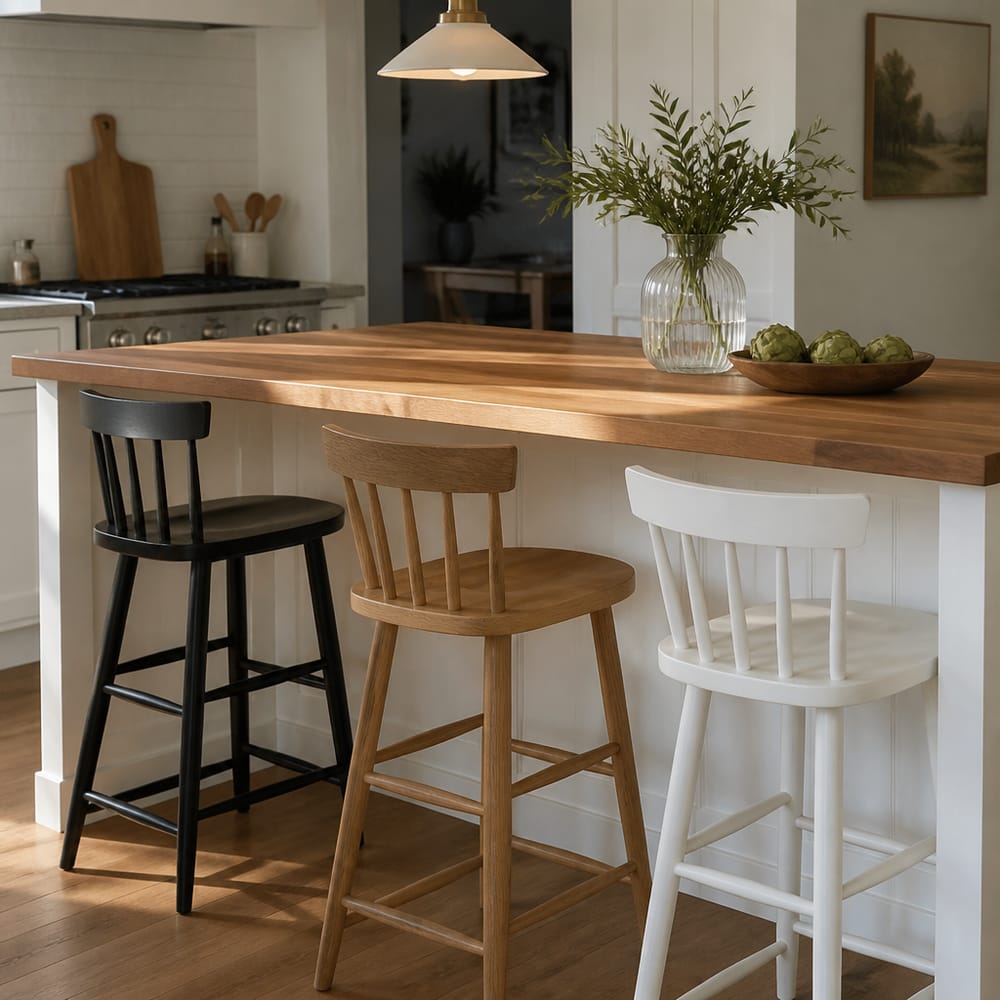
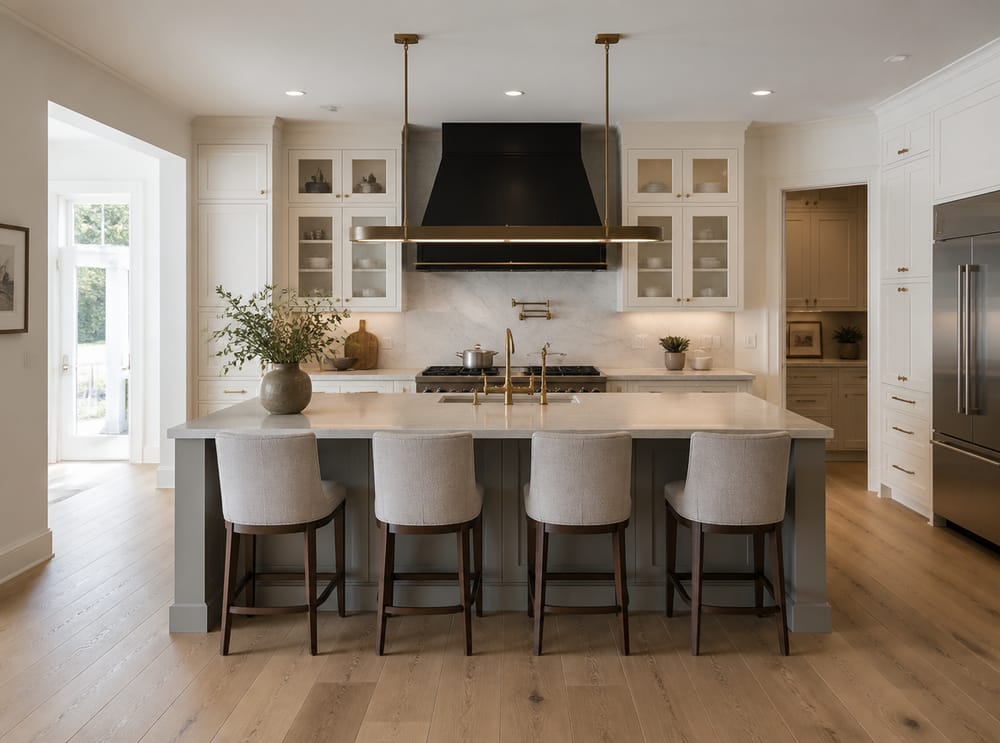
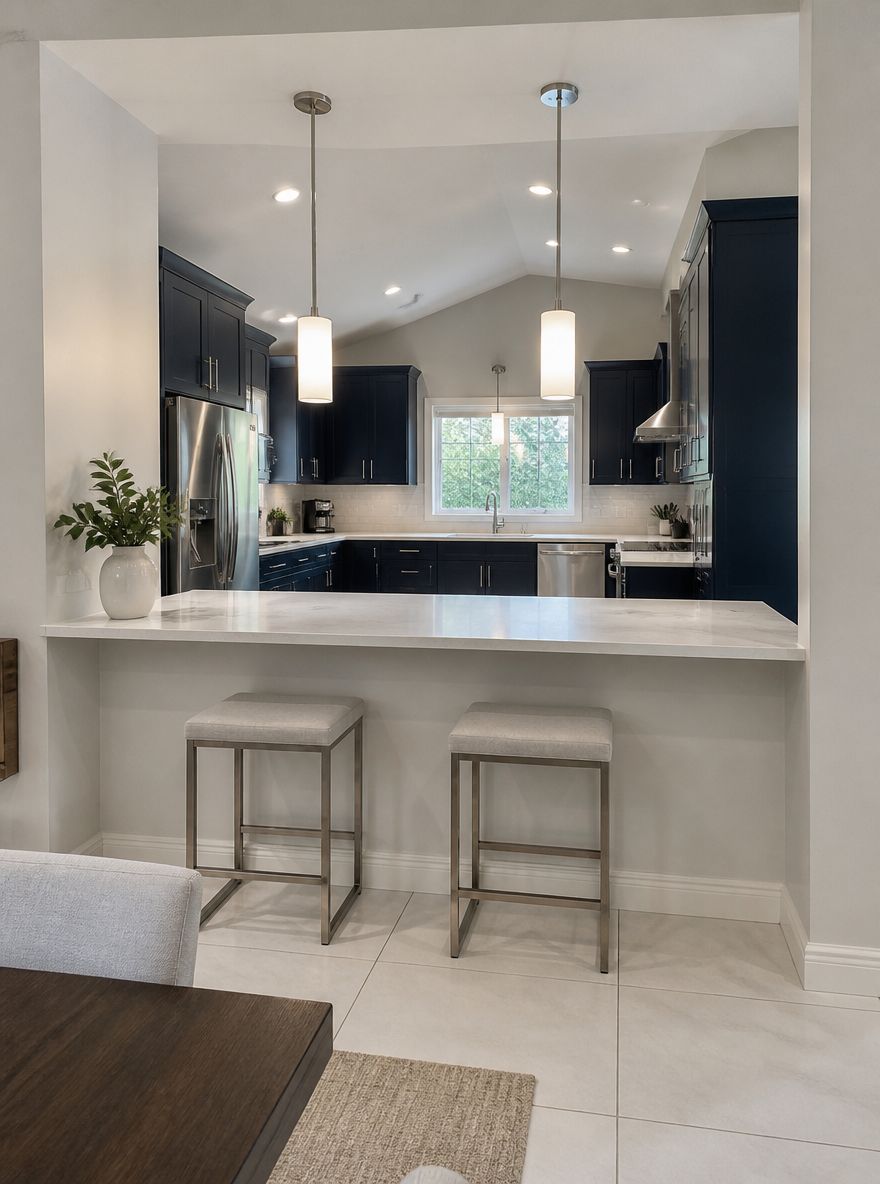
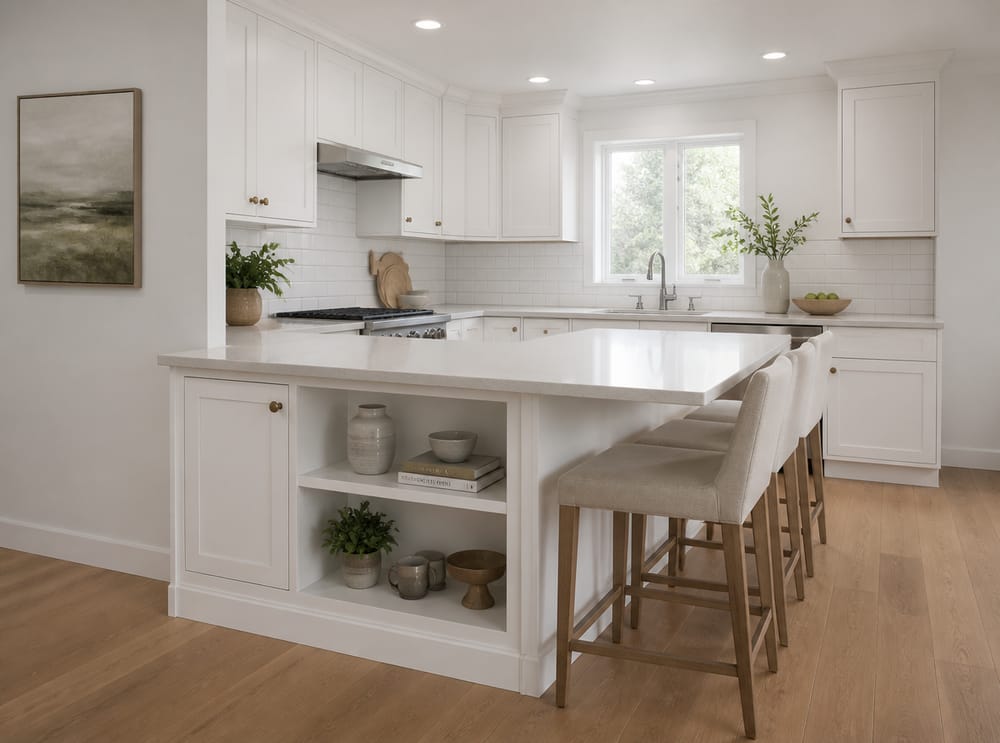
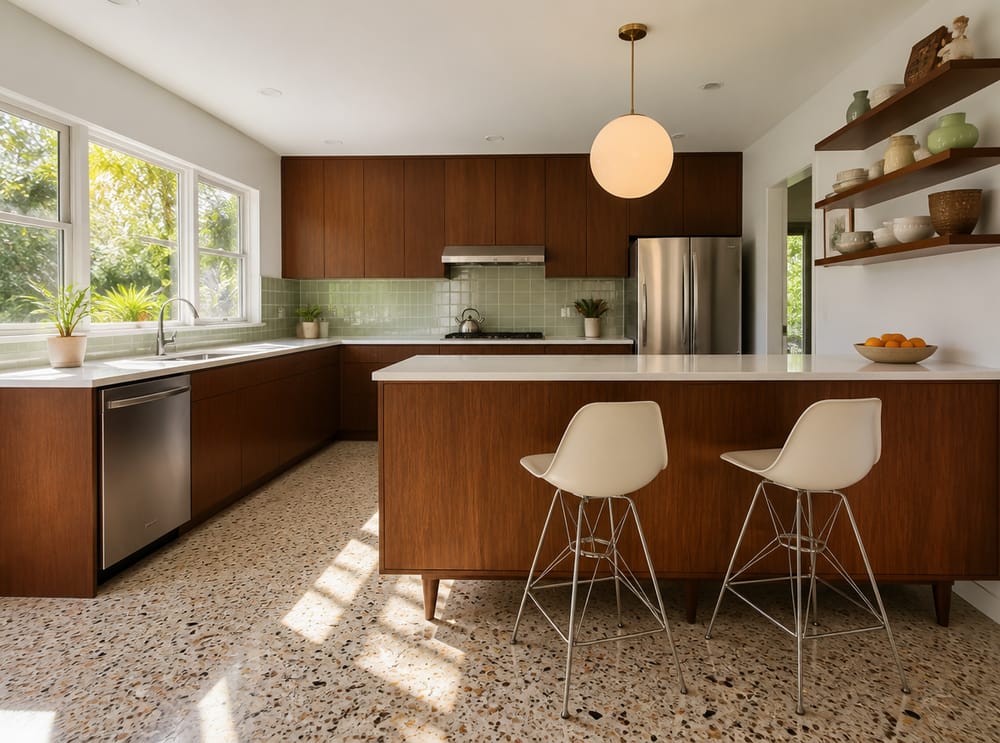
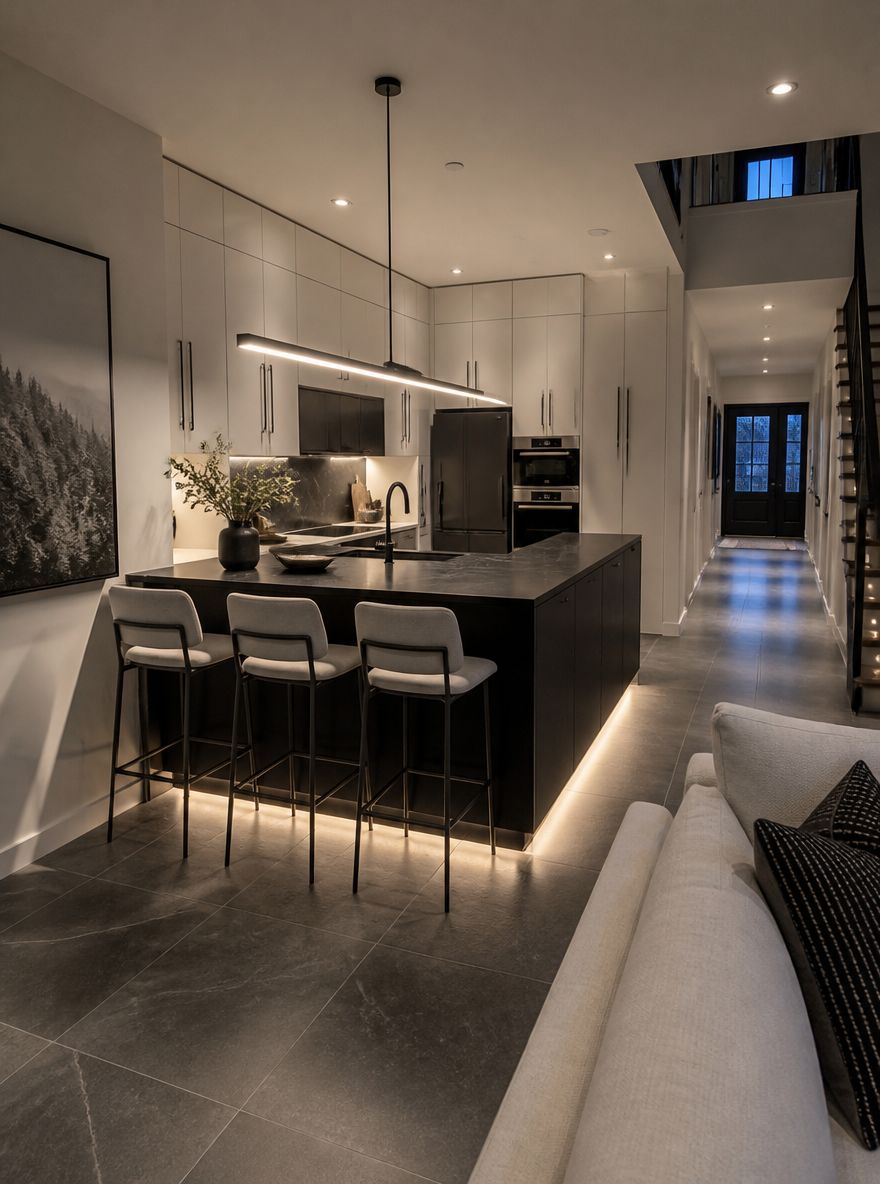
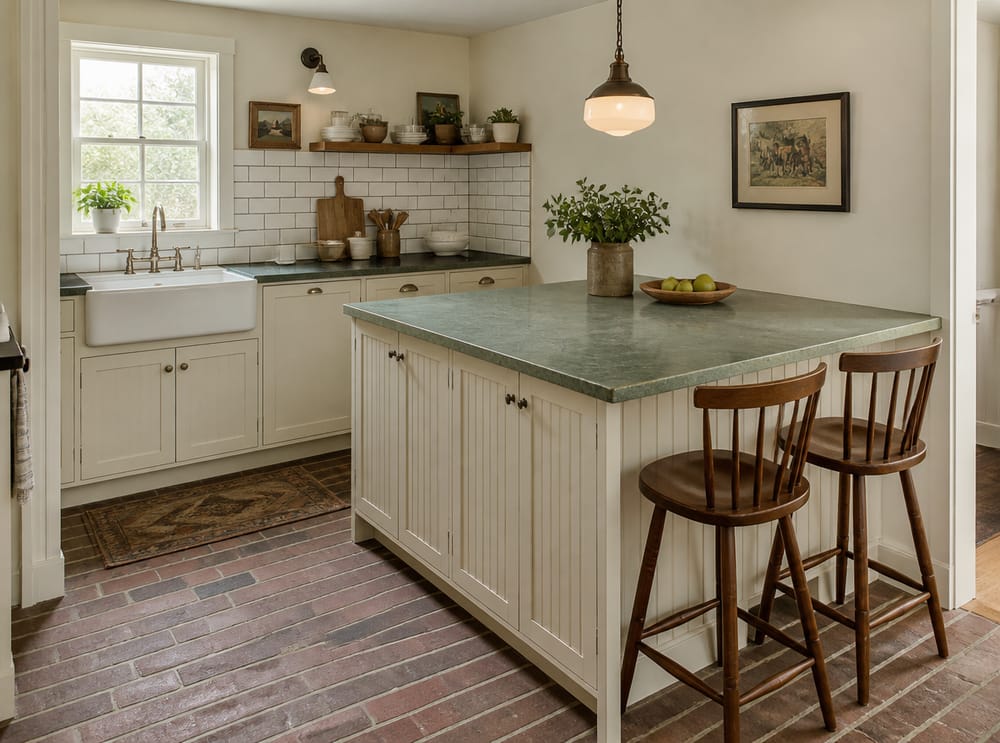
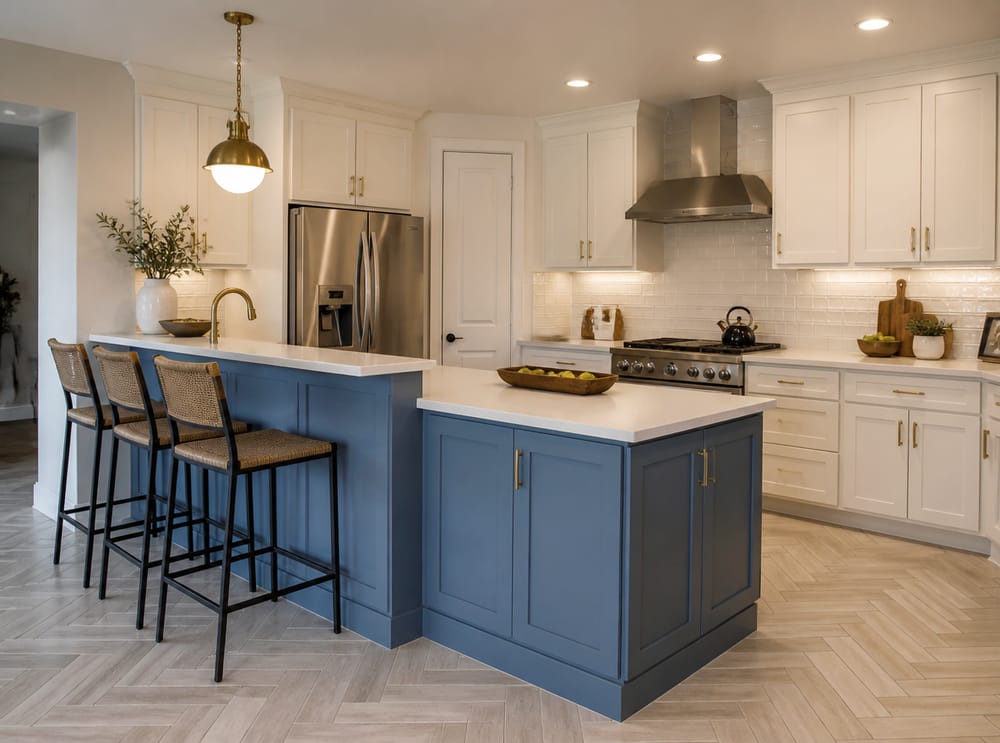
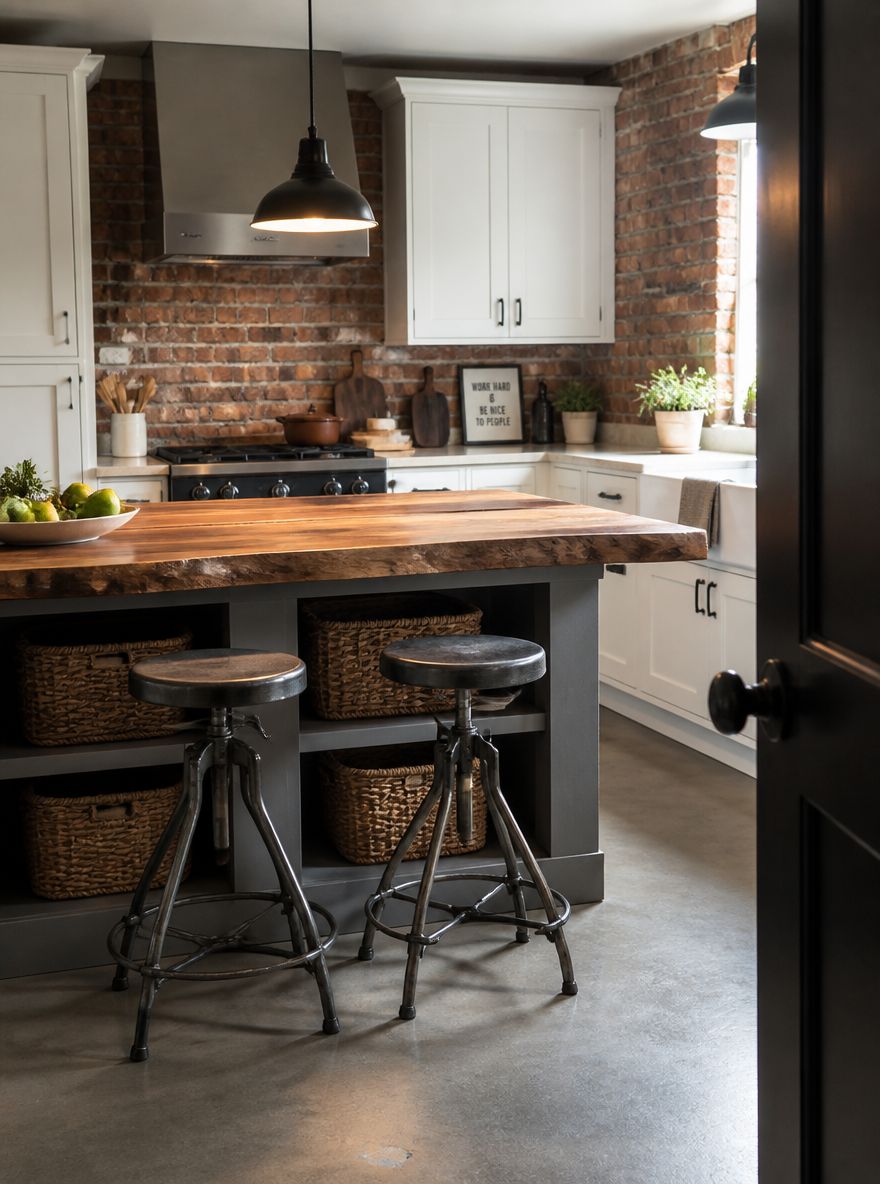
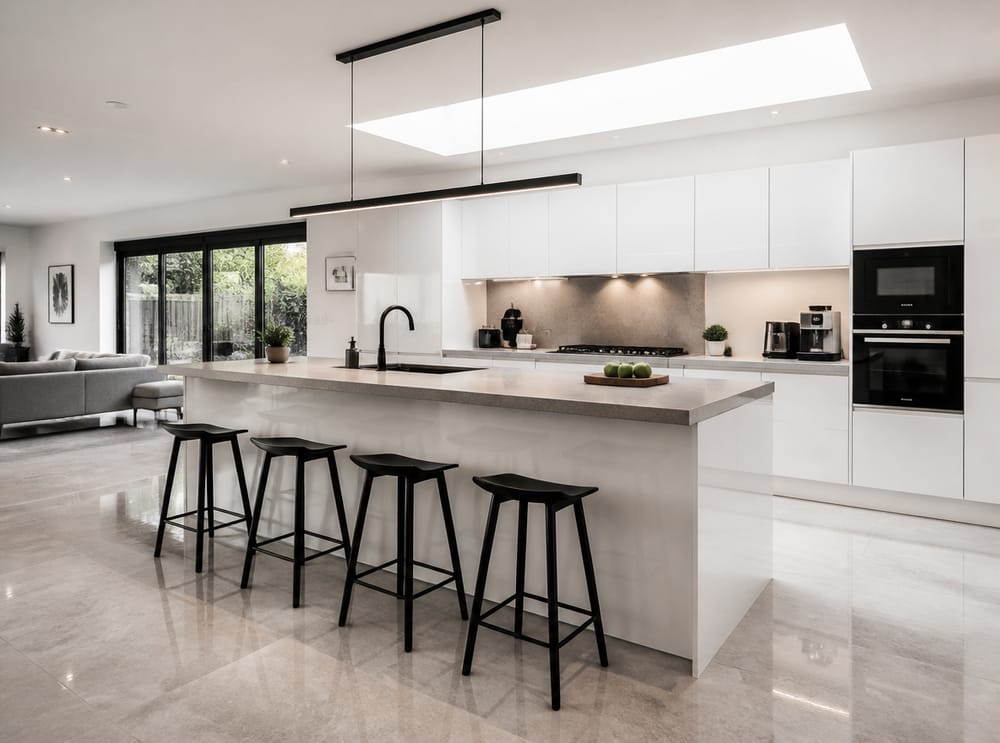
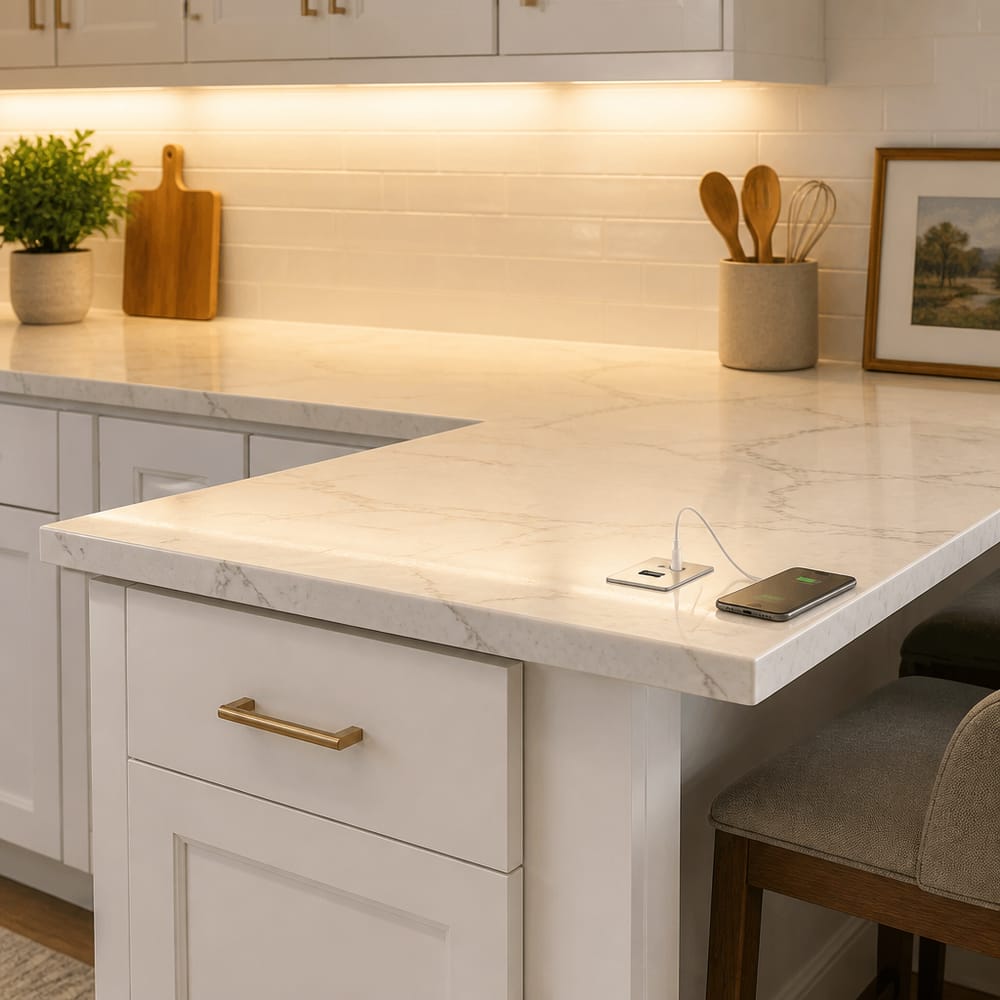
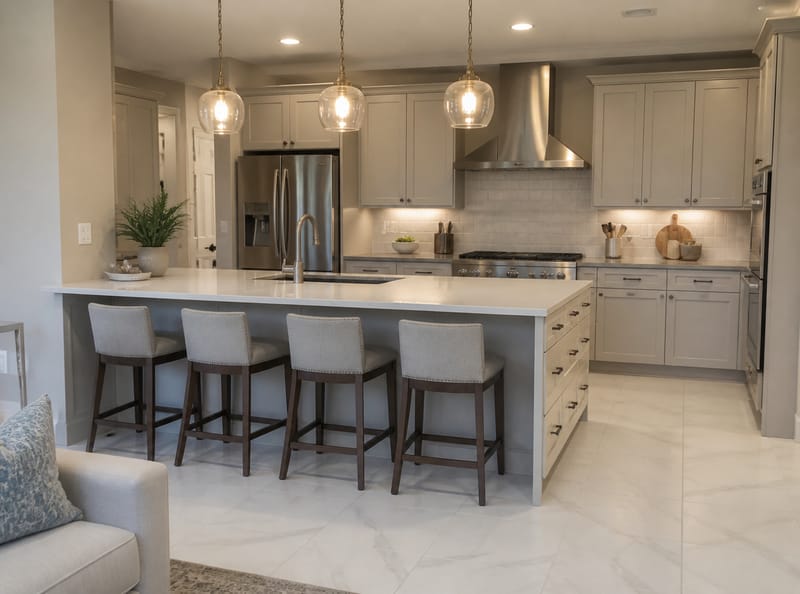
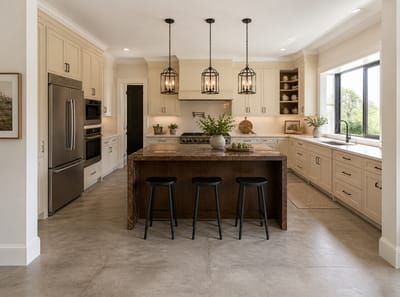
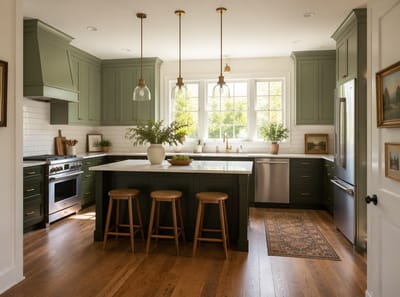
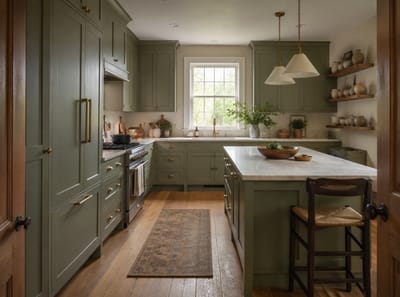
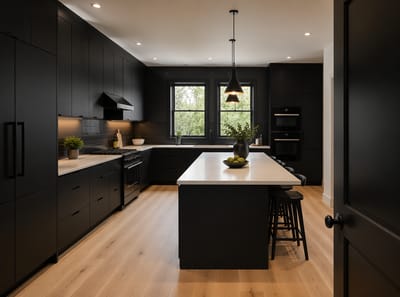
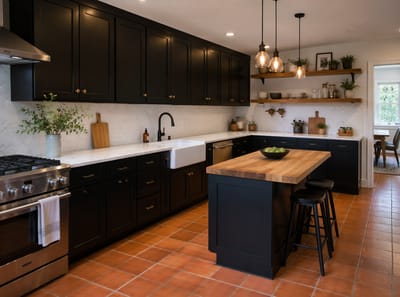
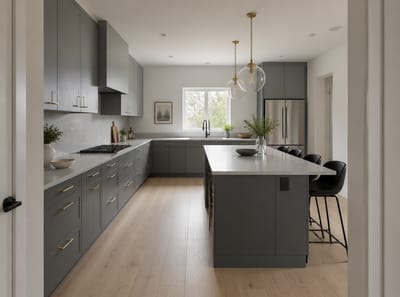
Una península funciona mejor cuando está diseñada para cumplir varias funciones a la vez: anclar la distribución, añadir superficie de trabajo y traer asientos a la cocina sin cerrar el ambiente. Las configuraciones aquí muestran una variedad de formas y prioridades, desde espacios abiertos que necesitan un límite sutil hasta cocinas pequeñas que solo requieren más encimera y almacenamiento sin ocupar tanto espacio como una isla.
Decisiones de Diseño para Sacar Más Provecho a una Península
- Alinea la península en paralelo al tramo más largo de gabinetes para que el tráfico fluya libremente por ambos lados — un pasillo estrecho mata la circulación que hace que una cocina abierta se sienta amplia.
- Integra los asientos en el voladizo del lado opuesto a la zona de cocina, en lugar de añadir sillas al final; un voladizo deliberado de 25 a 30 centímetros da espacio para las rodillas y hace que el asiento sea realmente cómodo.
- Extiende gabinetes bajos o cajones en la base de la península del lado que da a la cocina — esa zona muerta es uno de los almacenajes más accesibles de la habitación y no debería quedarse vacía.
- Combina el material de la encimera de la península con las encimeras perimetrales si quieres que la cocina se vea como una superficie unificada, o usa un material contrastante solo si la península va a ser realmente un punto focal, no solo una área de trabajo.
- Mantén la iluminación colgante centrada sobre el voladizo, no sobre toda la profundidad de la península — si cuelgan demasiado atrás, quedan en la zona de trabajo y crean reflejos justo donde cocinas.
Preguntas Frecuentes
Sube una foto y obtén 4 propuestas de rediseño en menos de un minuto. Prueba gratuita disponible.
- Una foto, 4 rediseños
- ~45 s para la vista previa
- Pruébalo gratis