30+ curated
Media Room Ideas That Make Every Viewing Night Feel Intentional
Layouts, lighting, and seating choices that turn a spare room into a dedicated space for film, sound, and focus.
Updated

AI preview in 45s
From any room photo
Free to try · Preview styles in seconds
Gallery
Media Room Ideas gallery
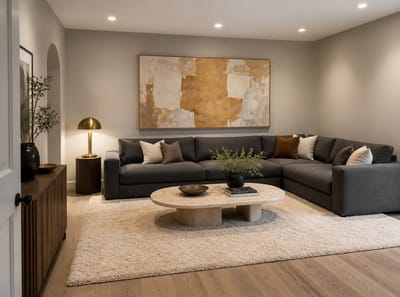
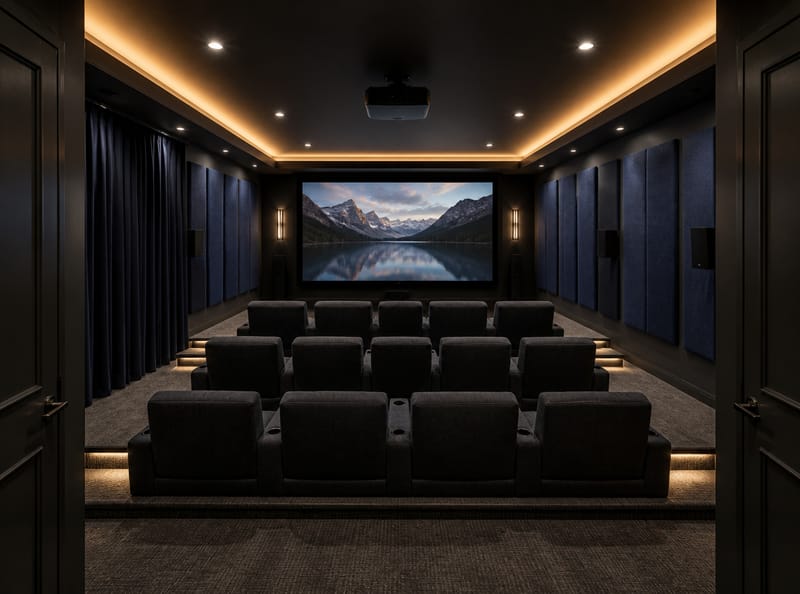
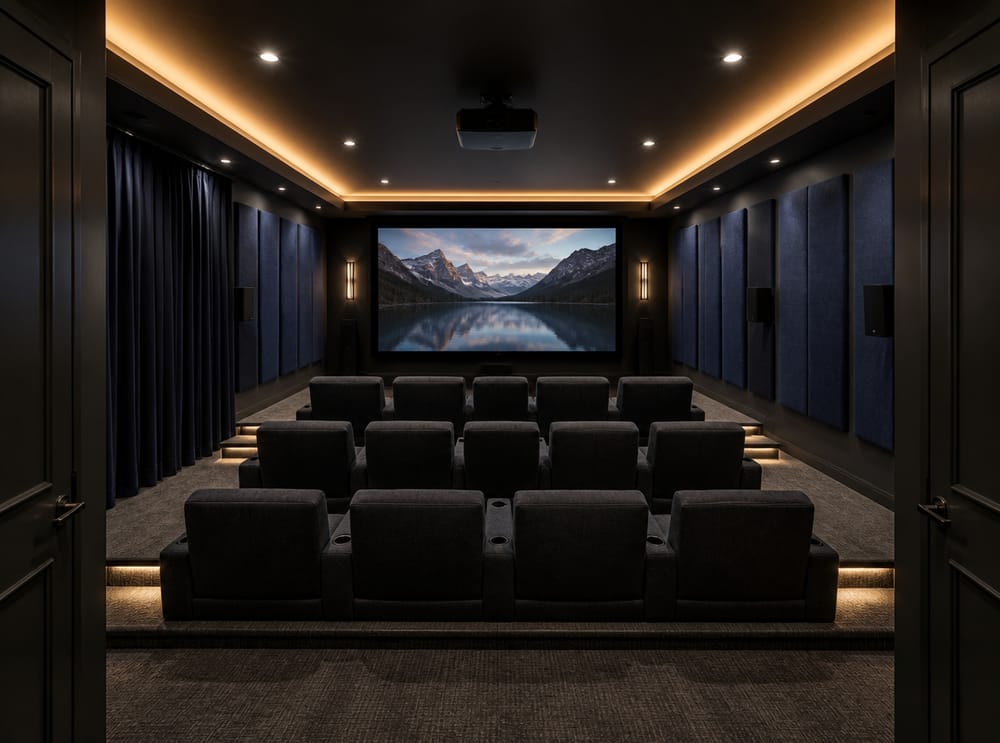
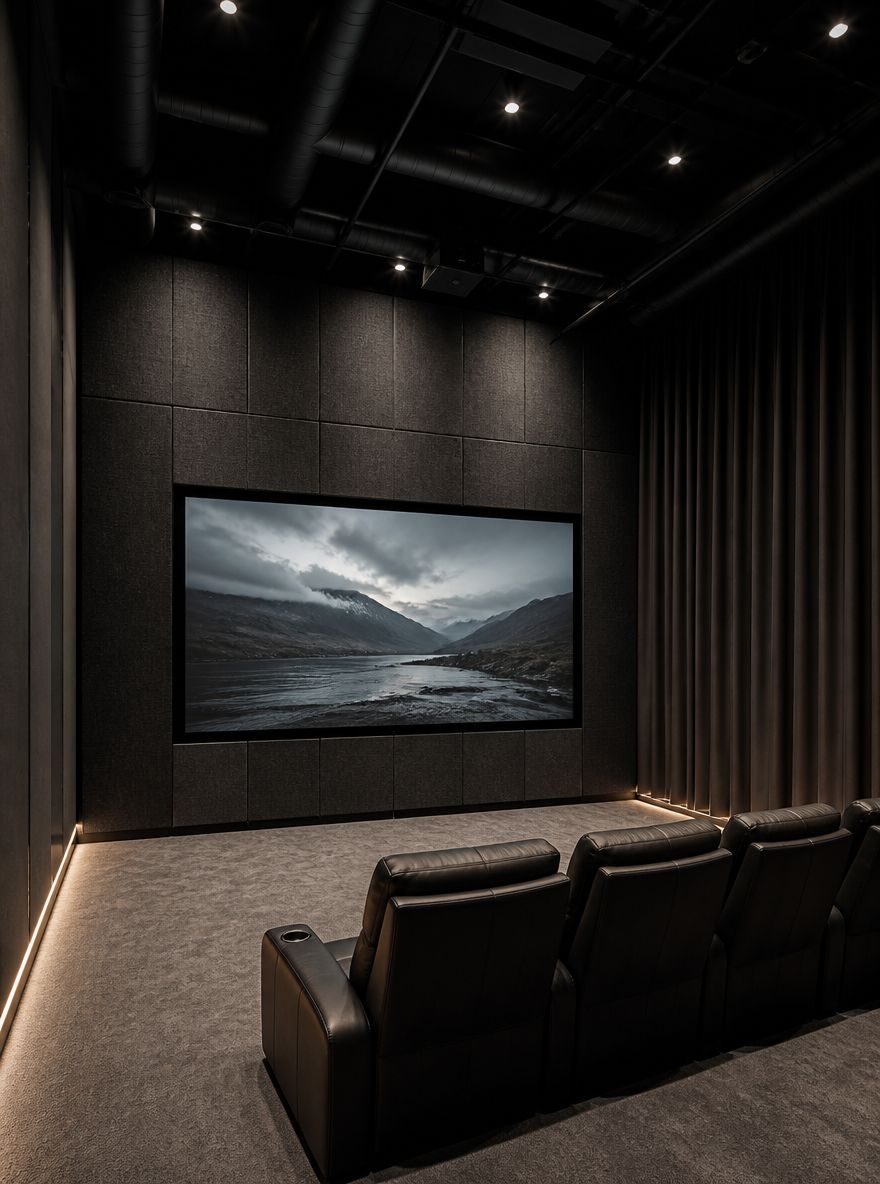
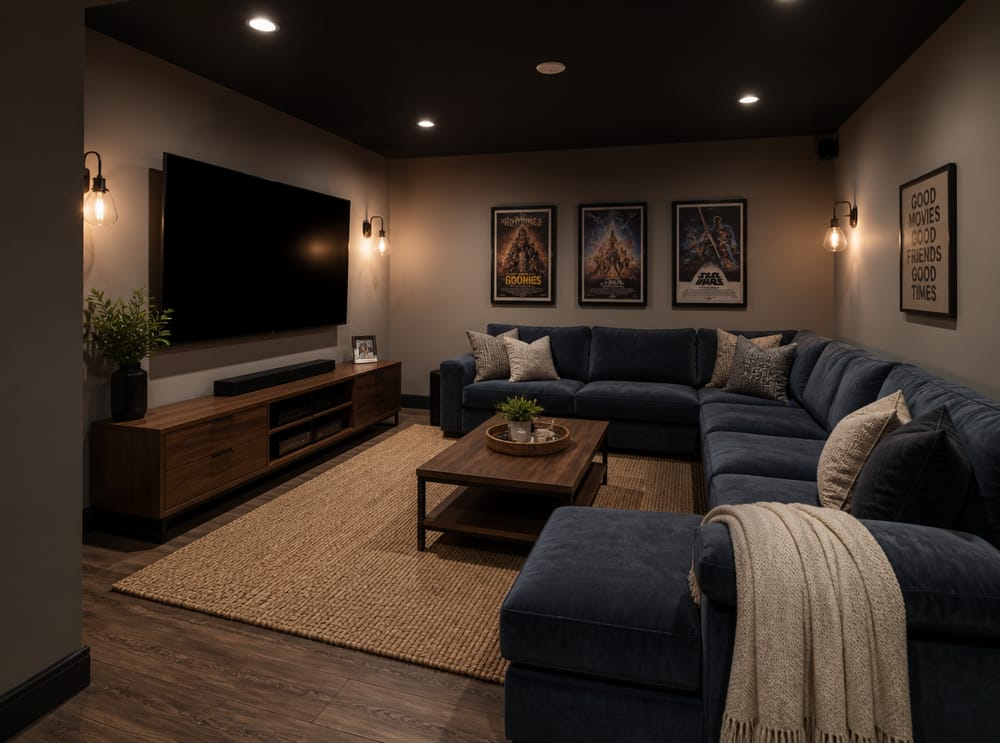
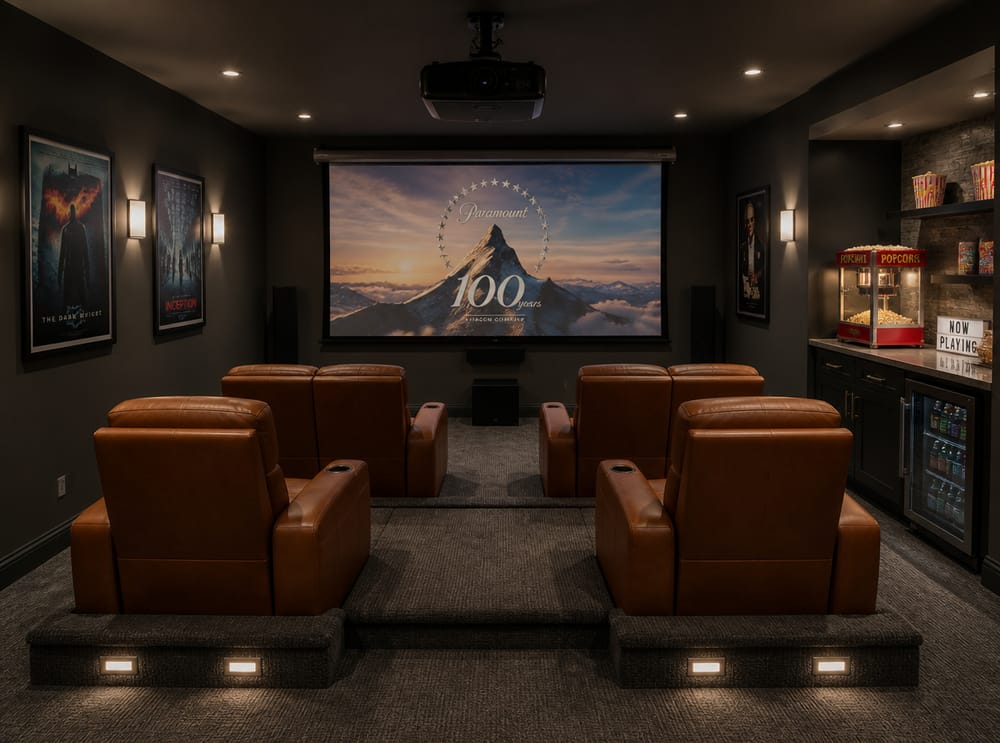
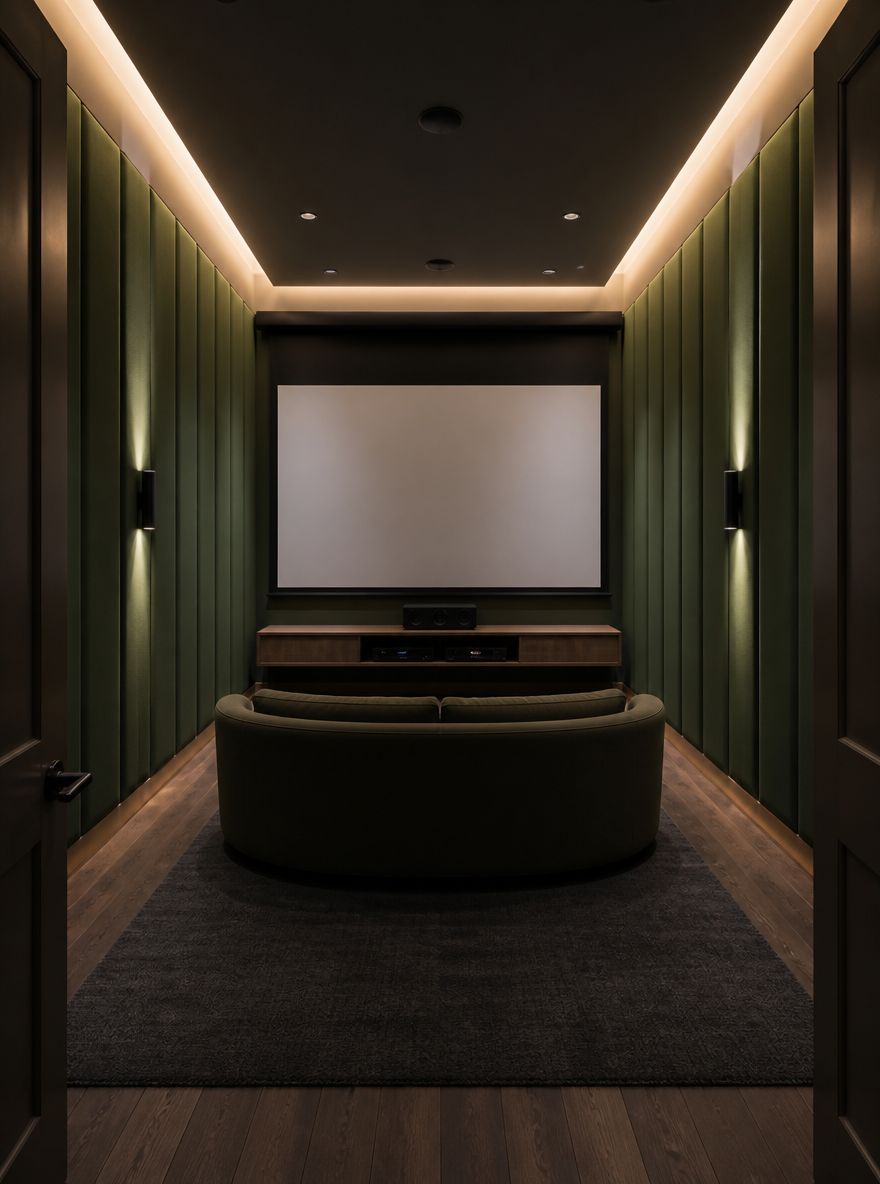
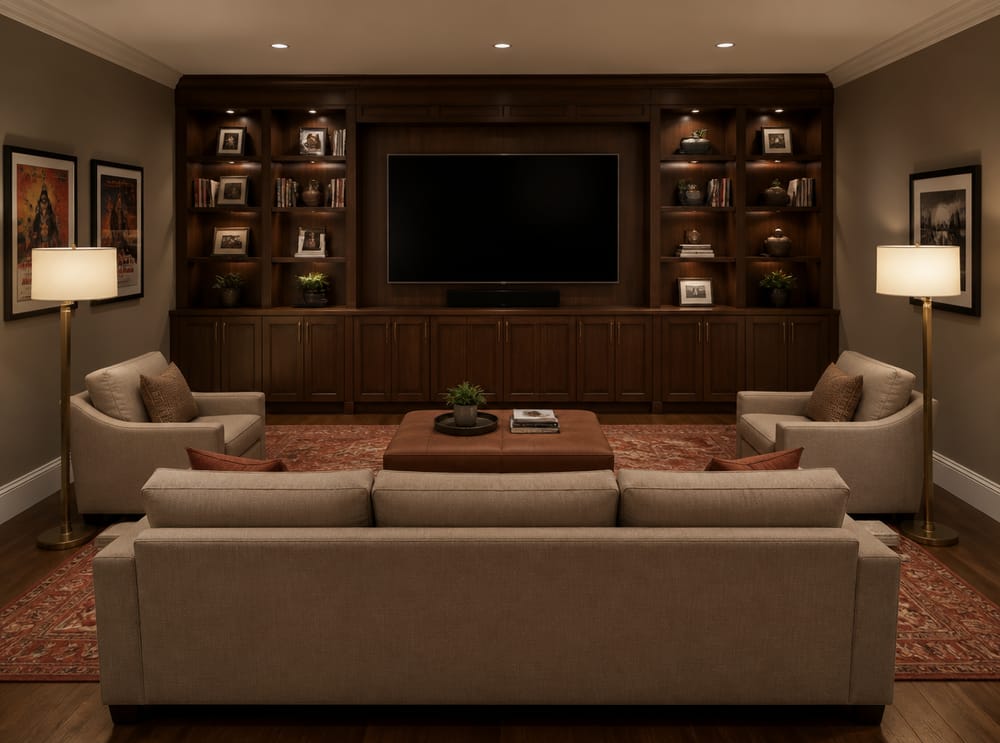
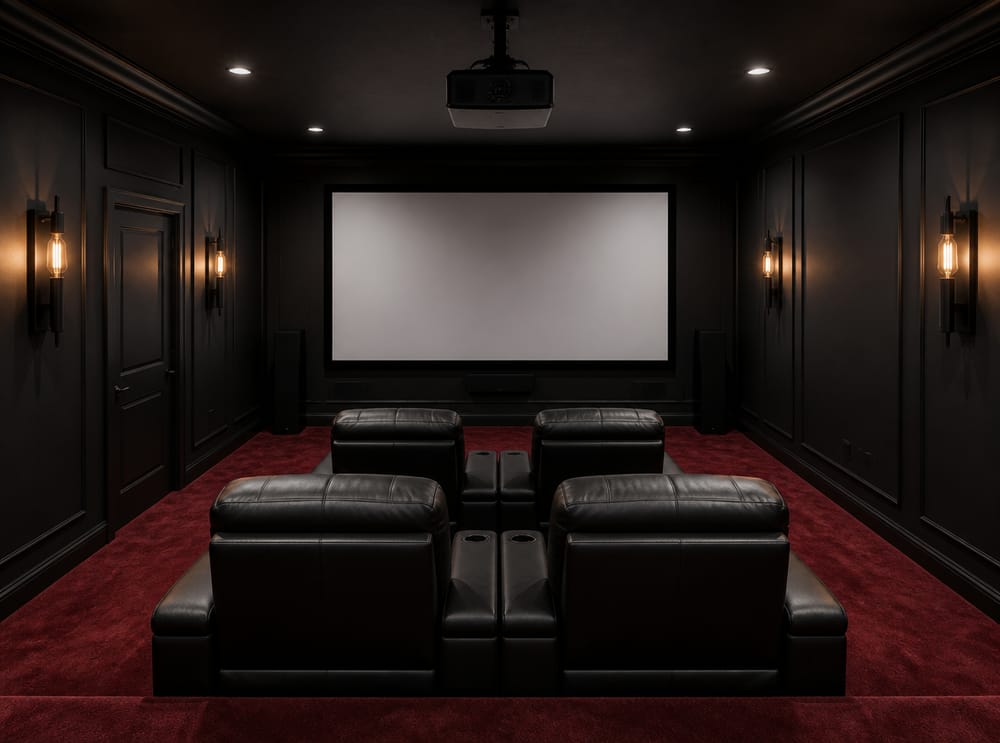
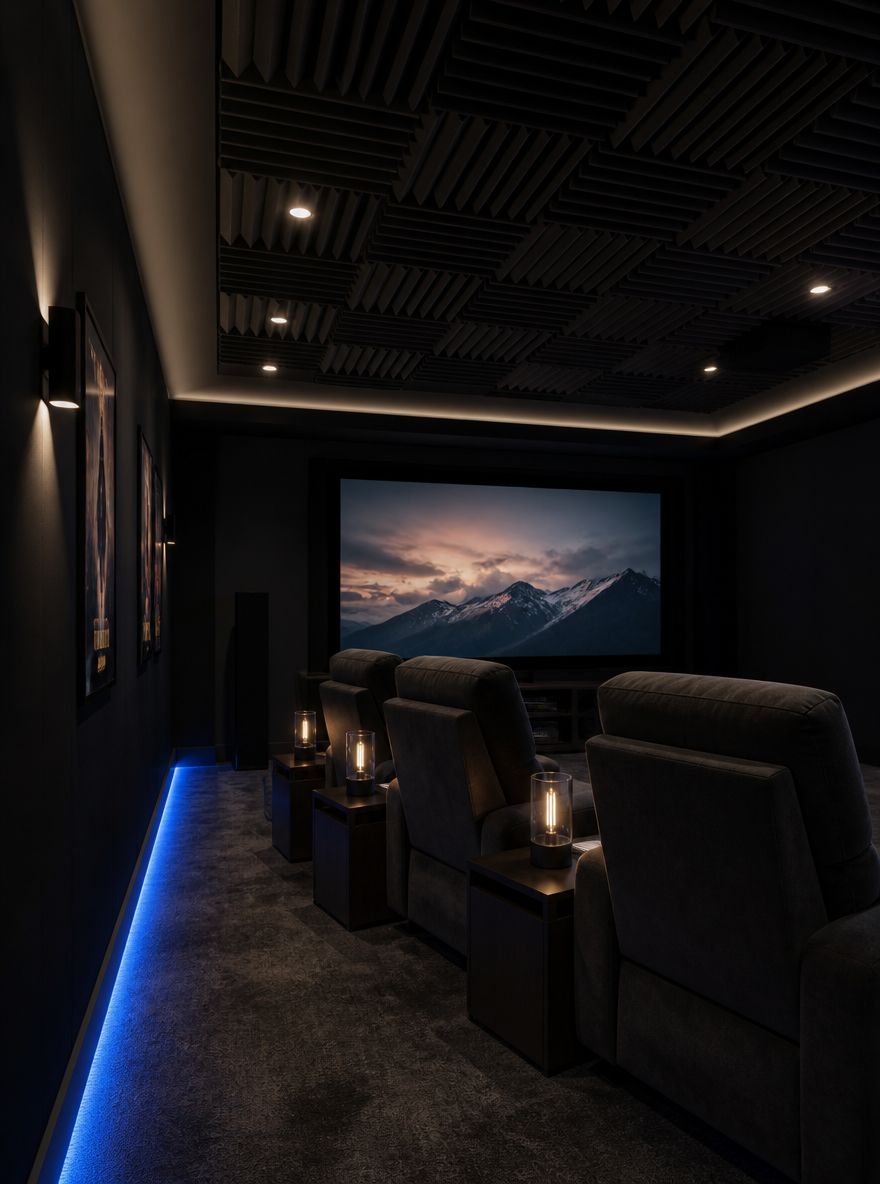
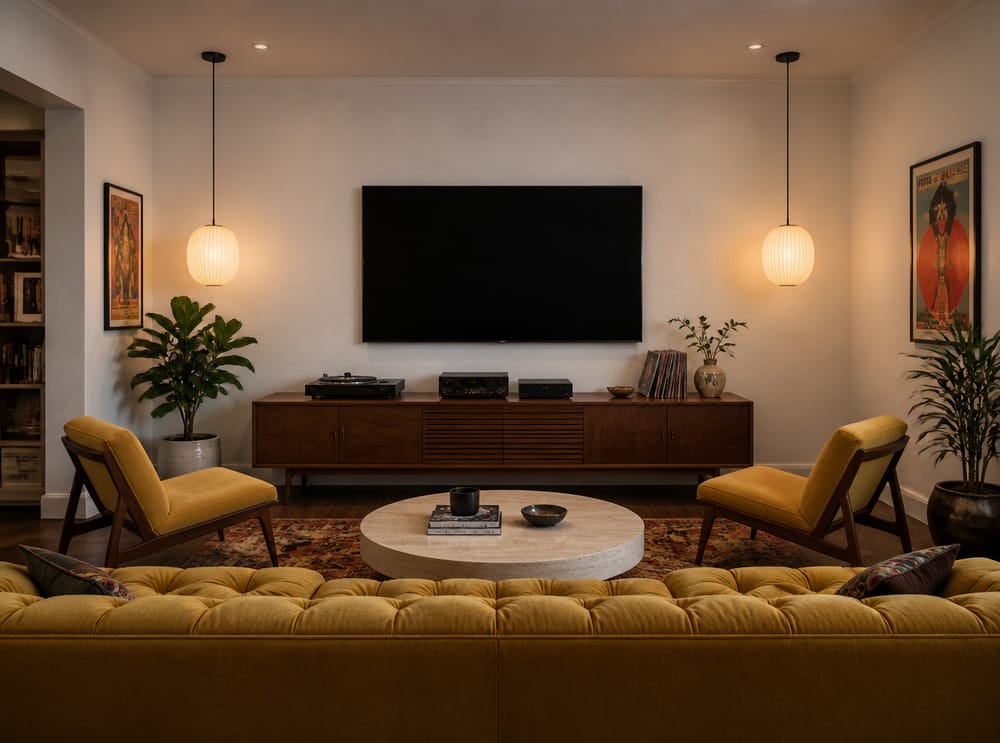
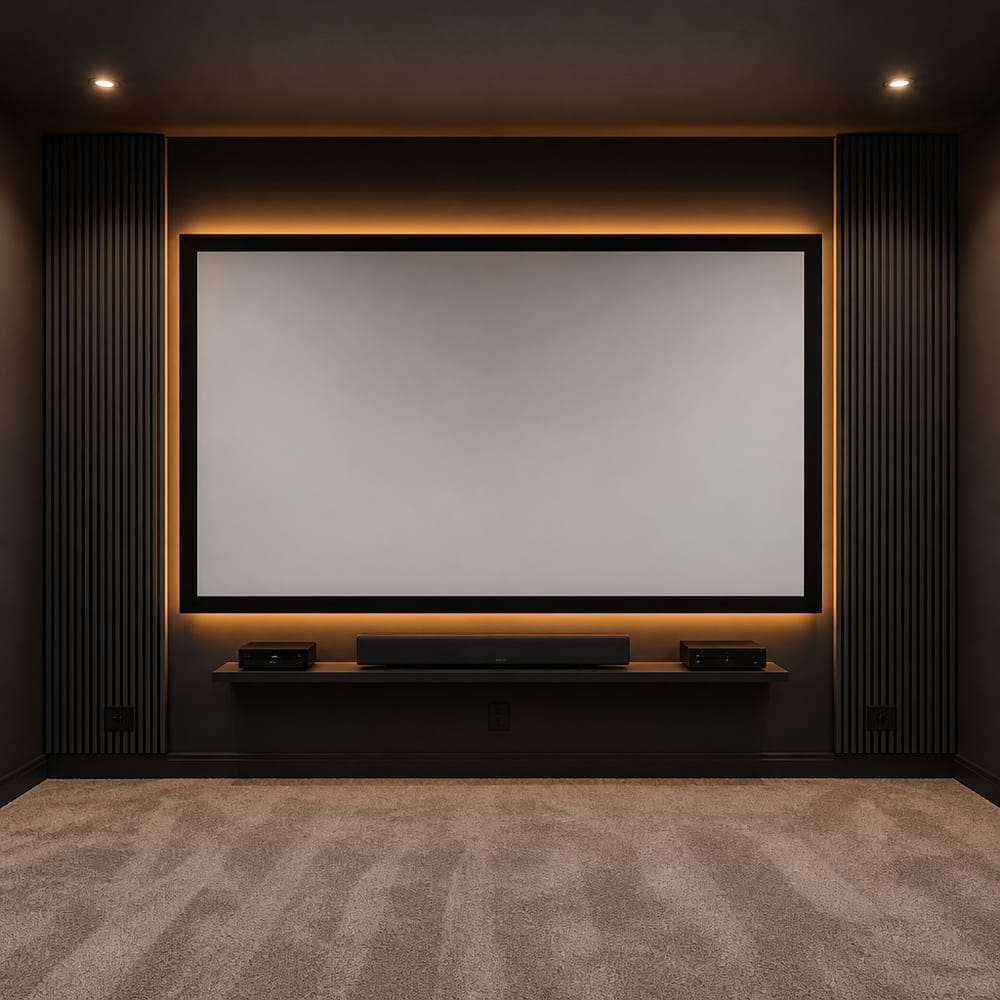
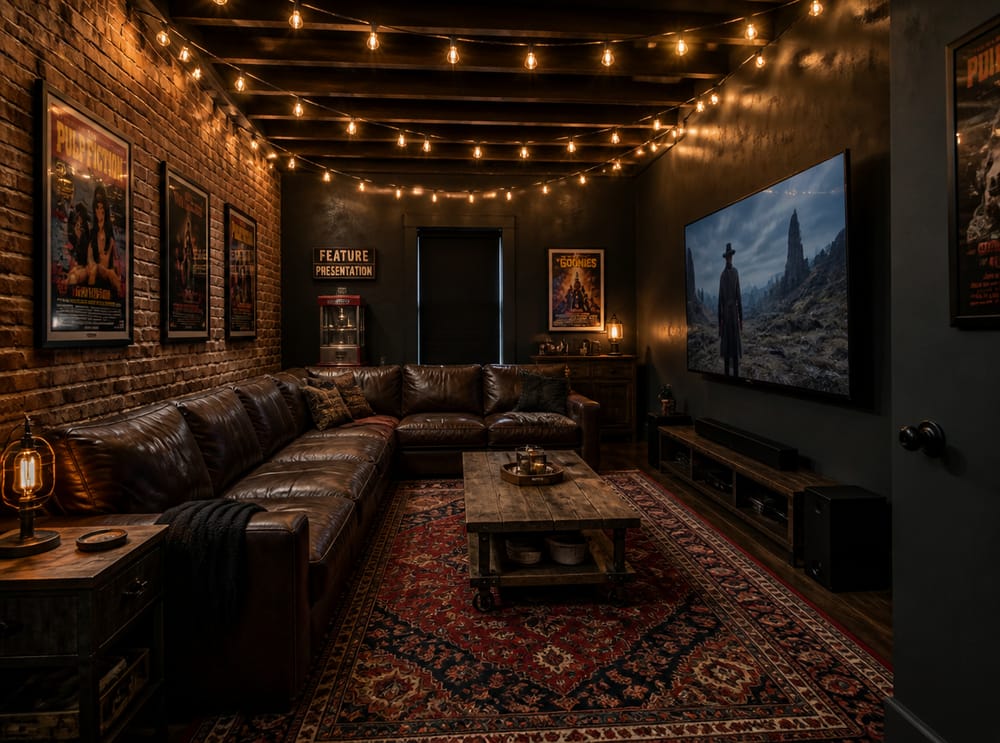
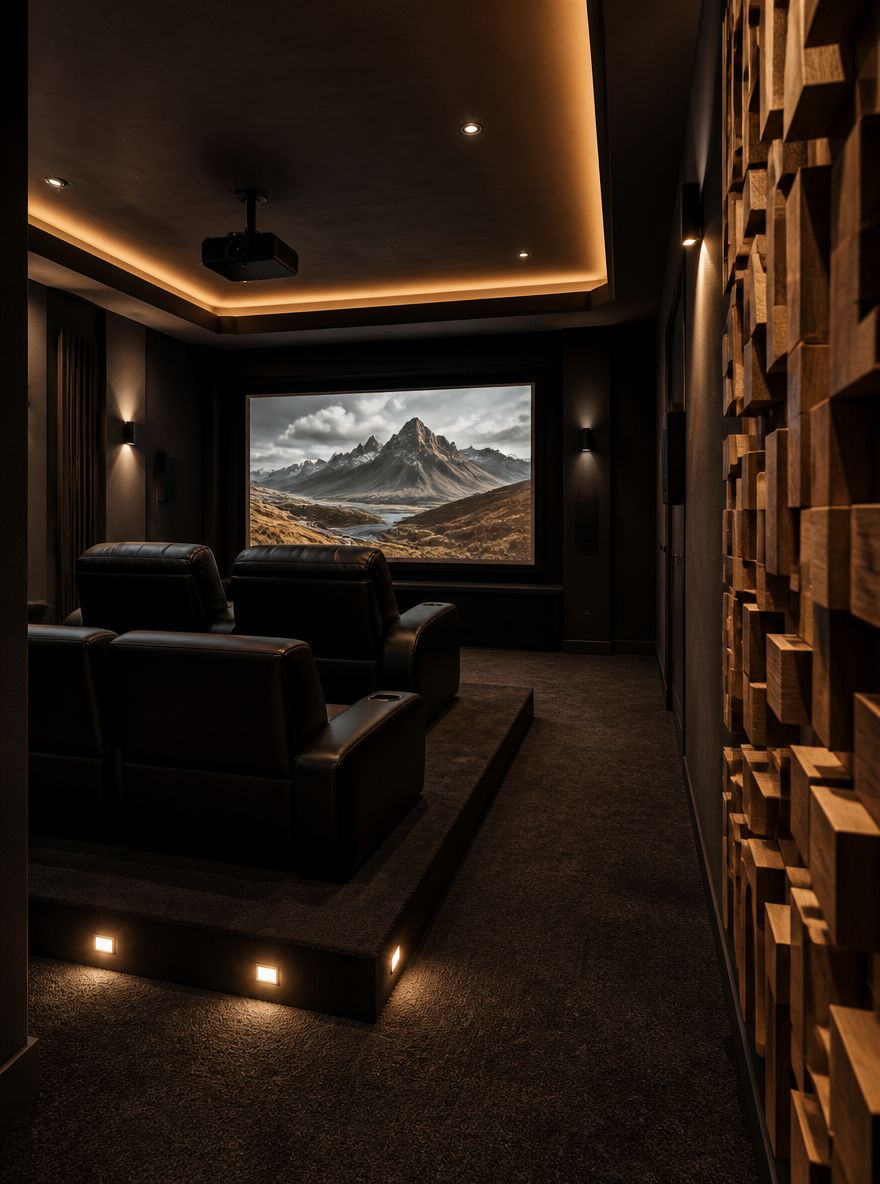
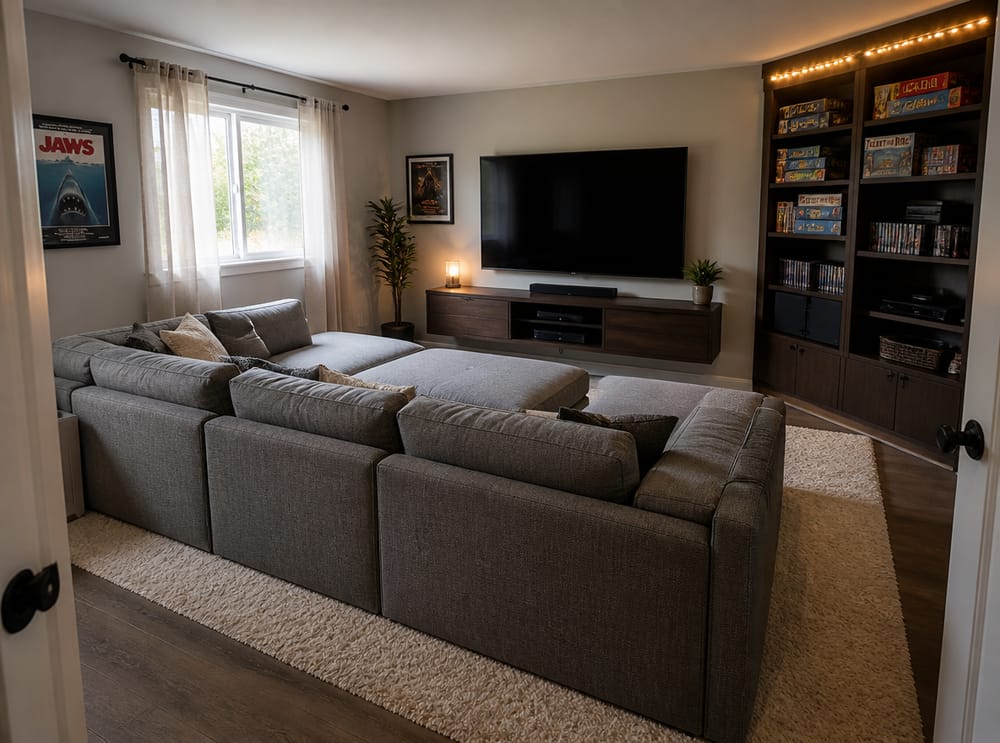
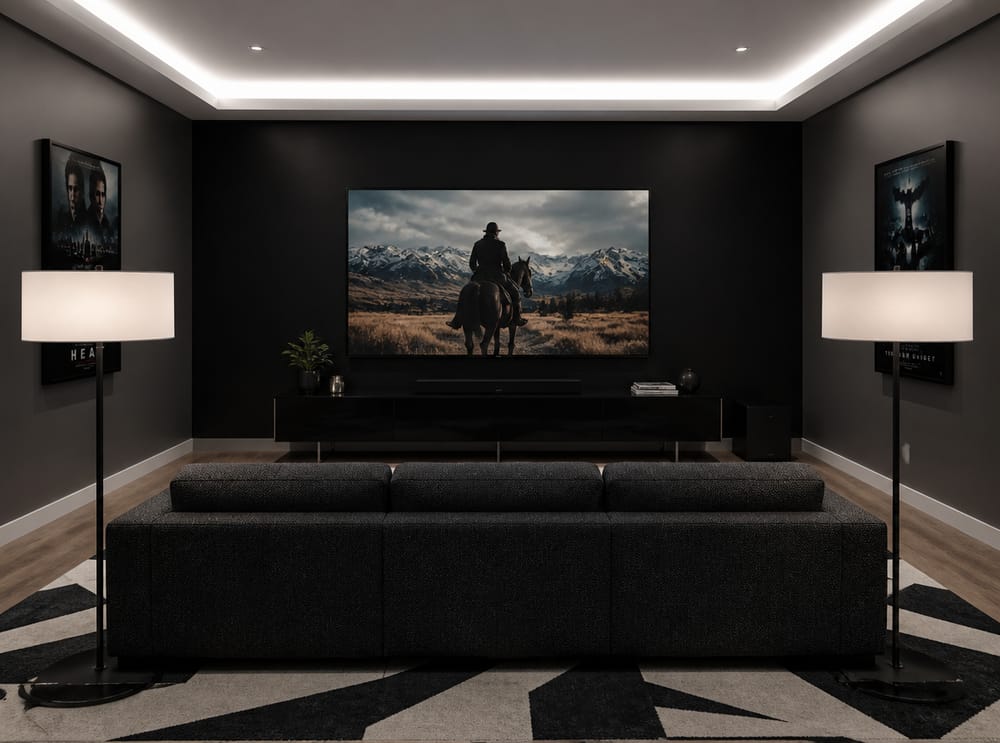
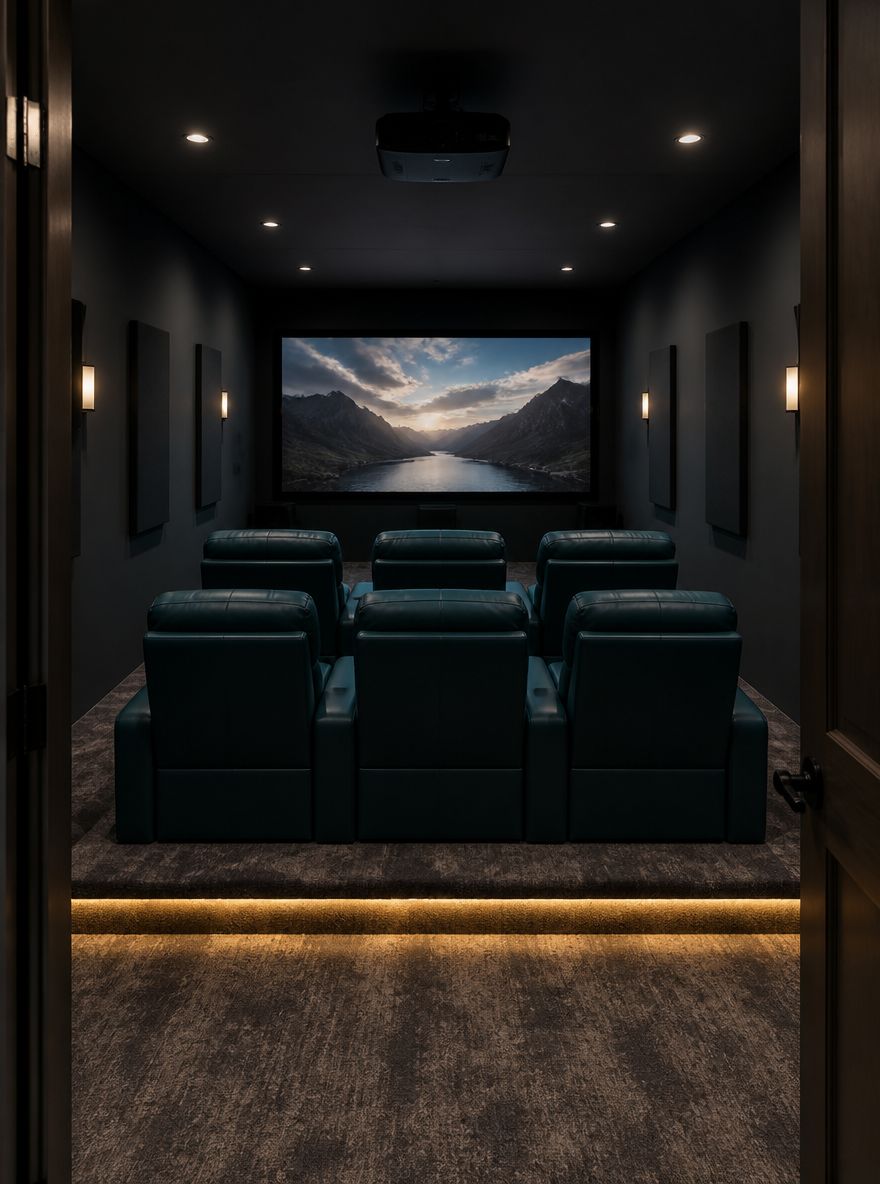
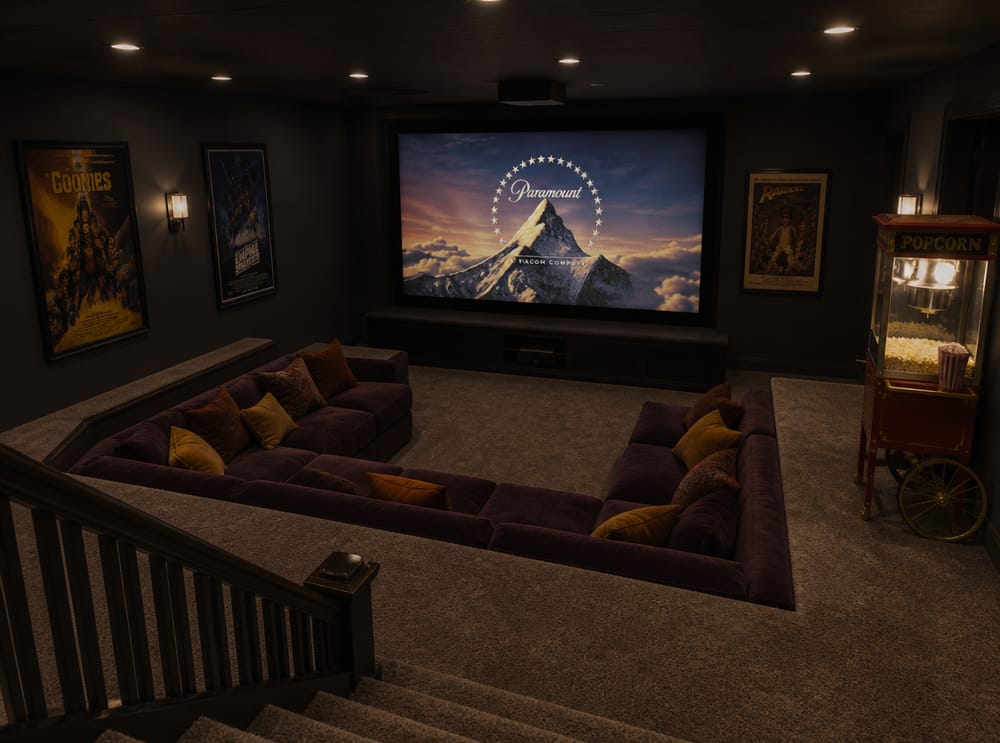
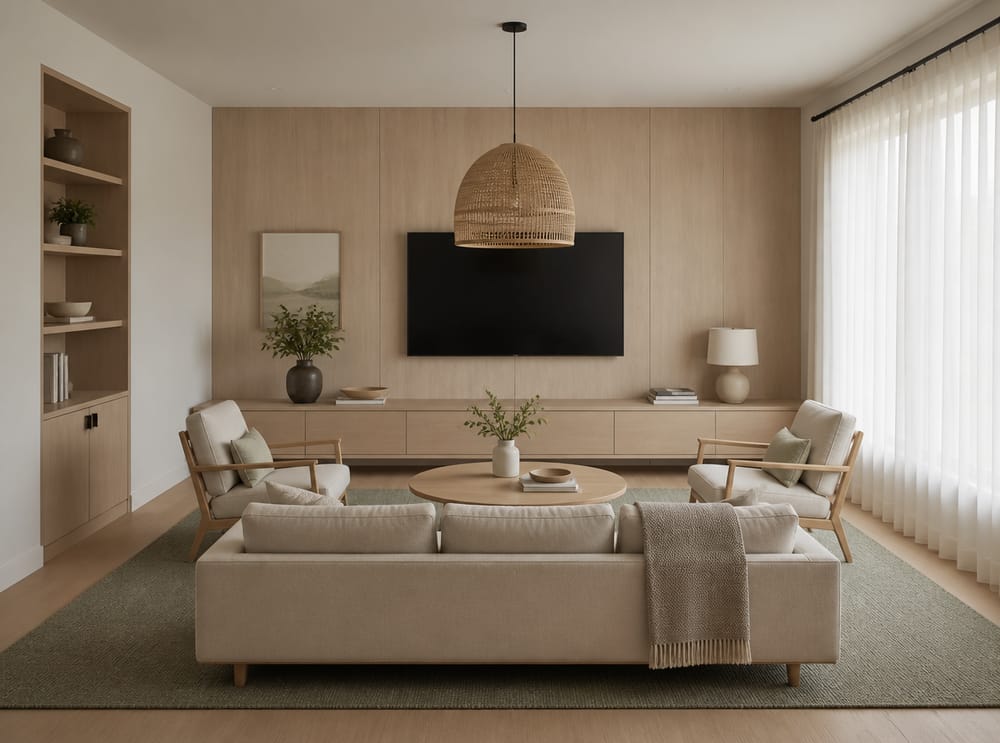
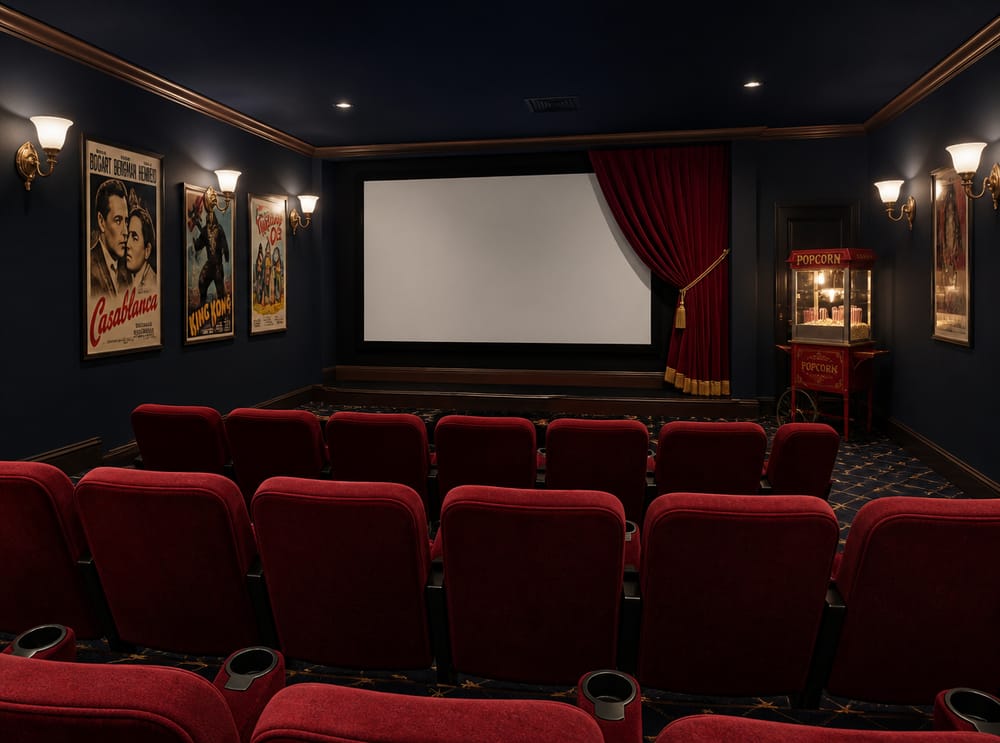
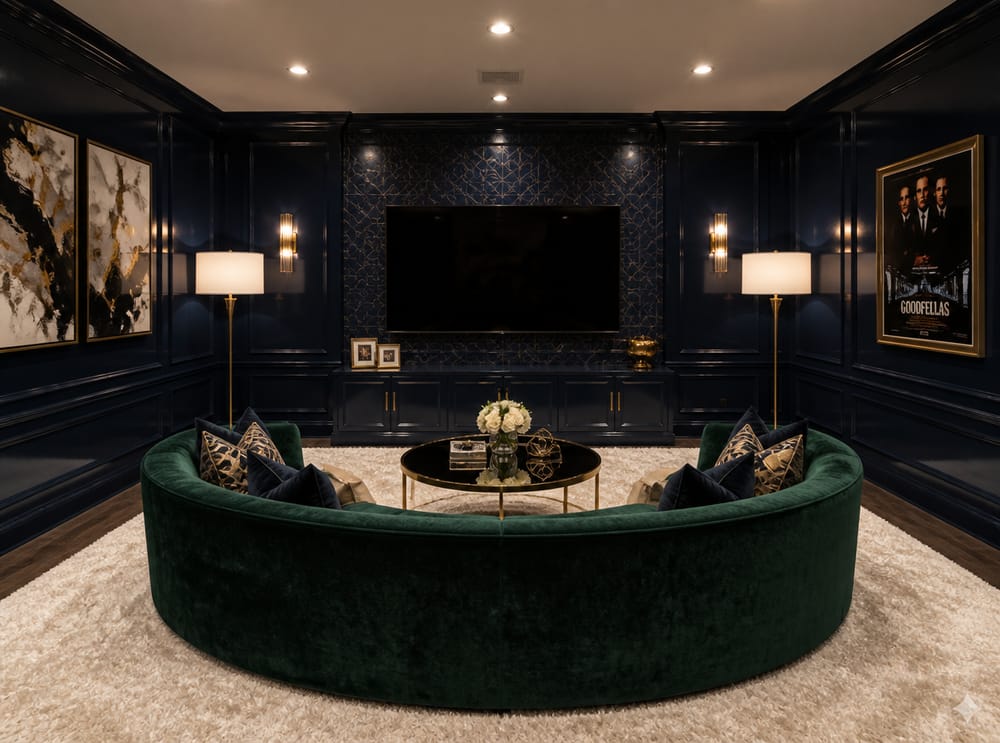
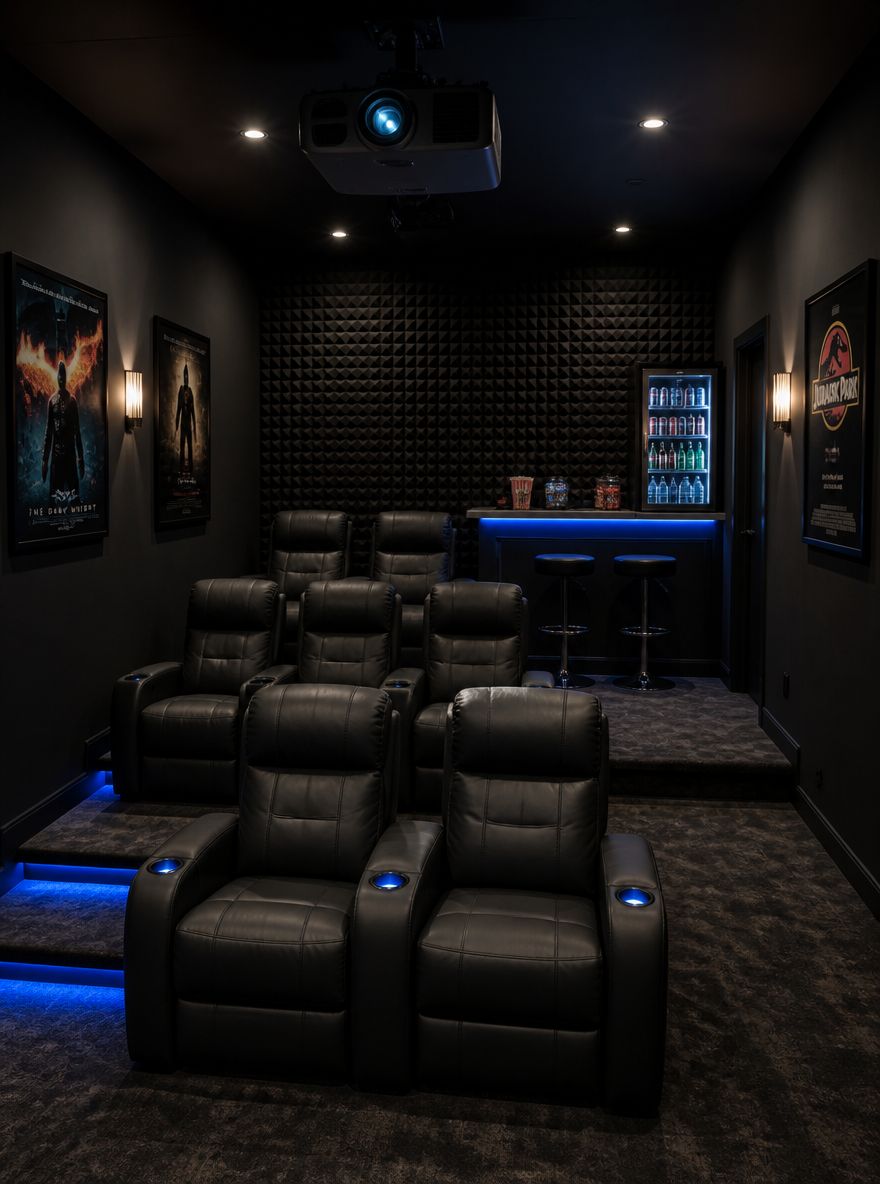
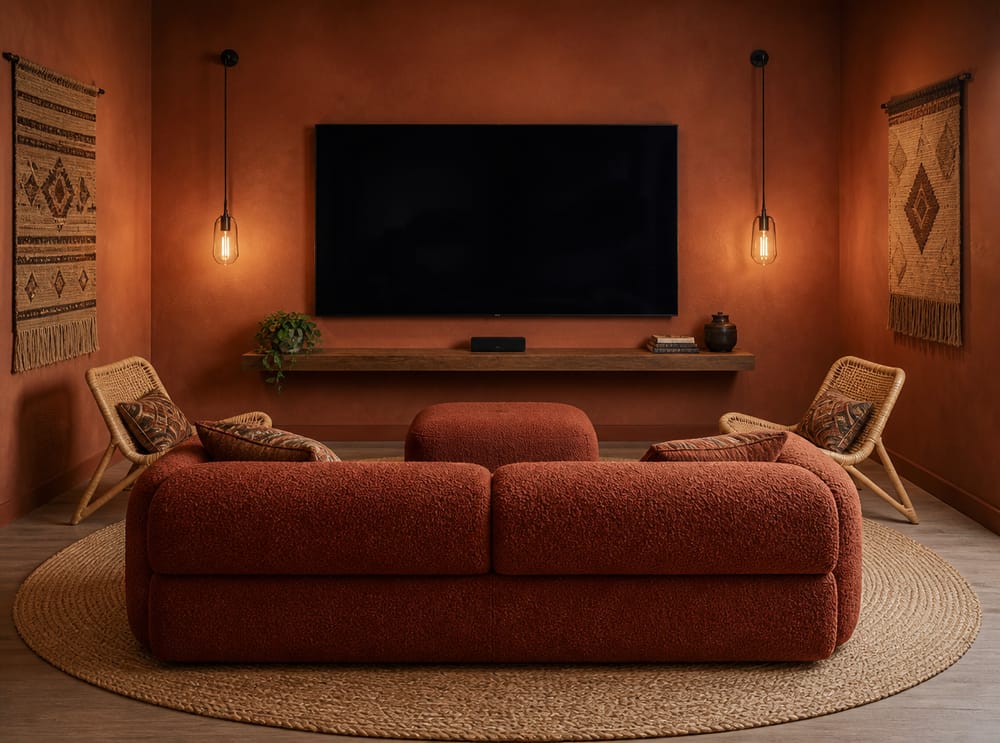
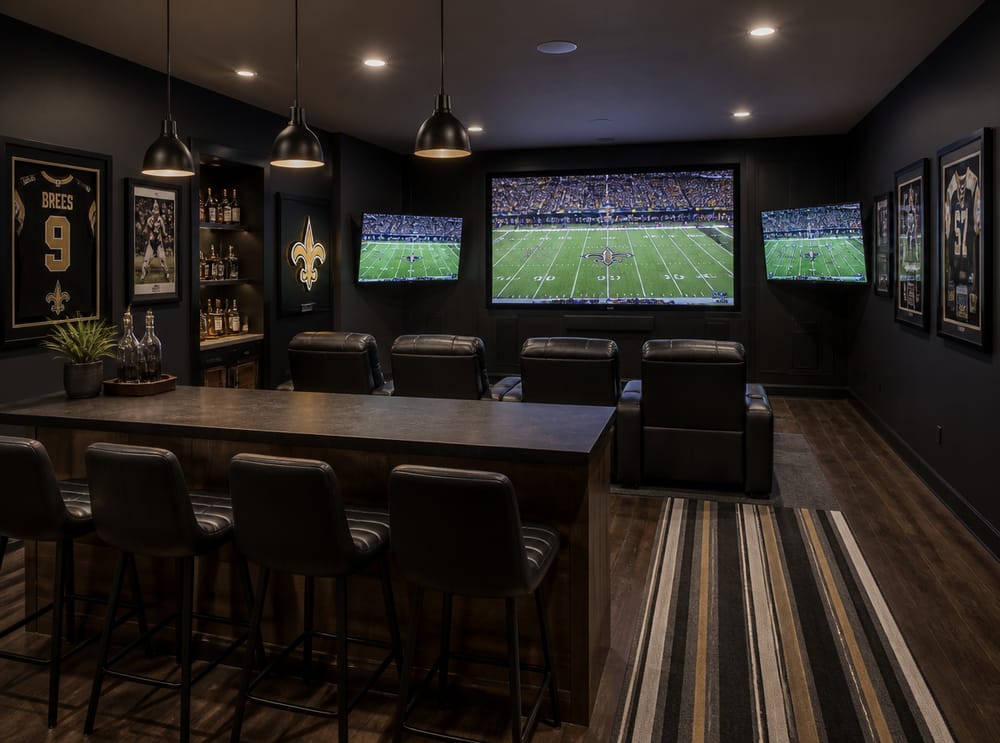
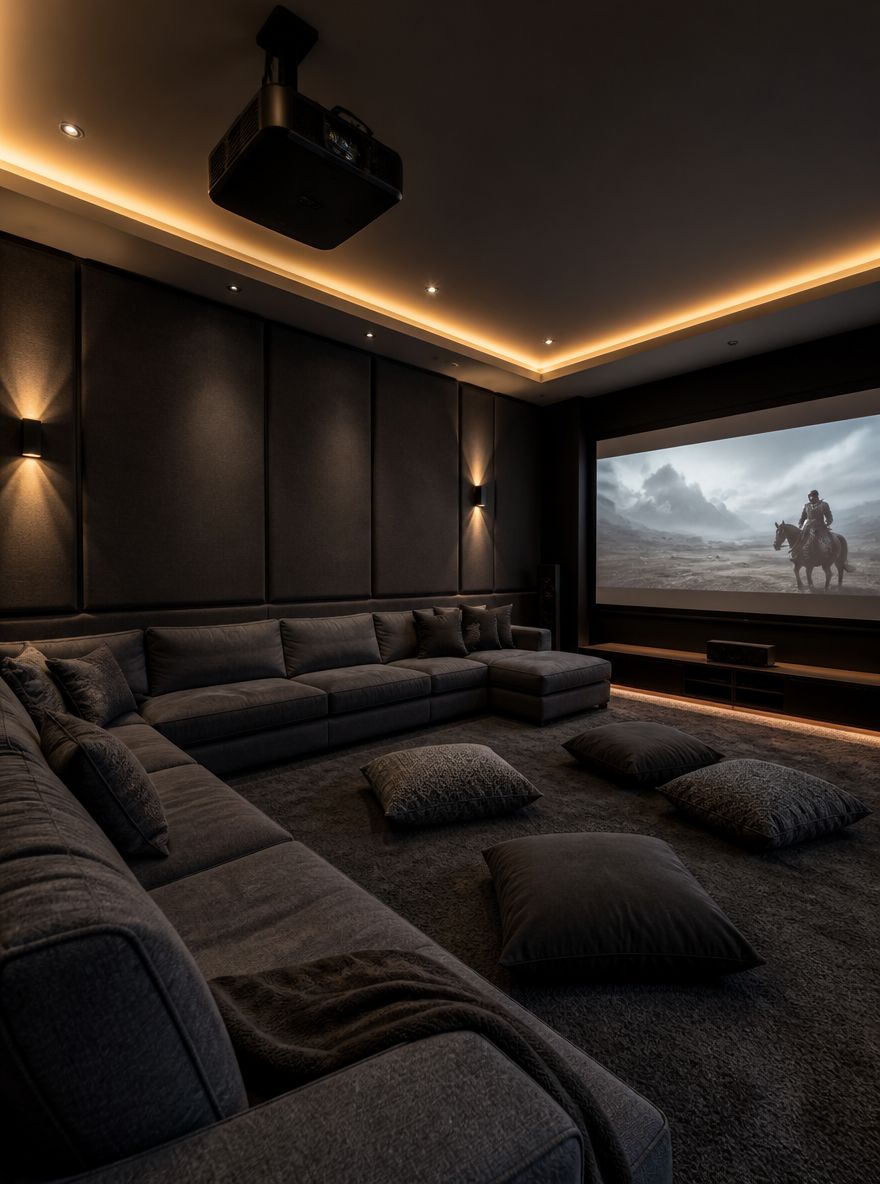
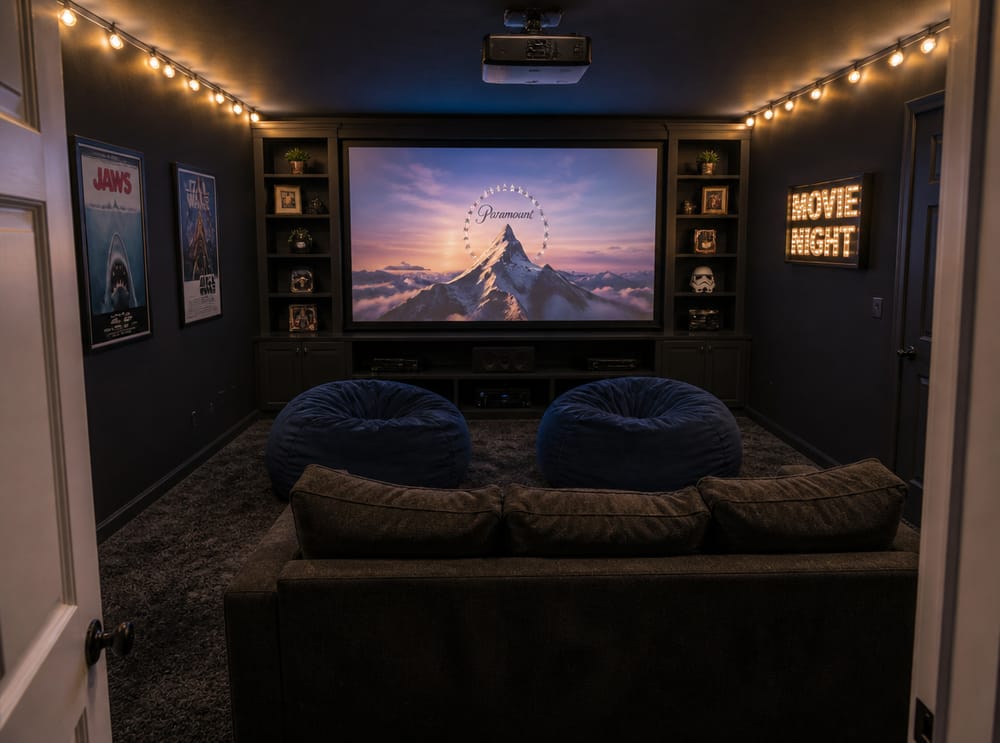
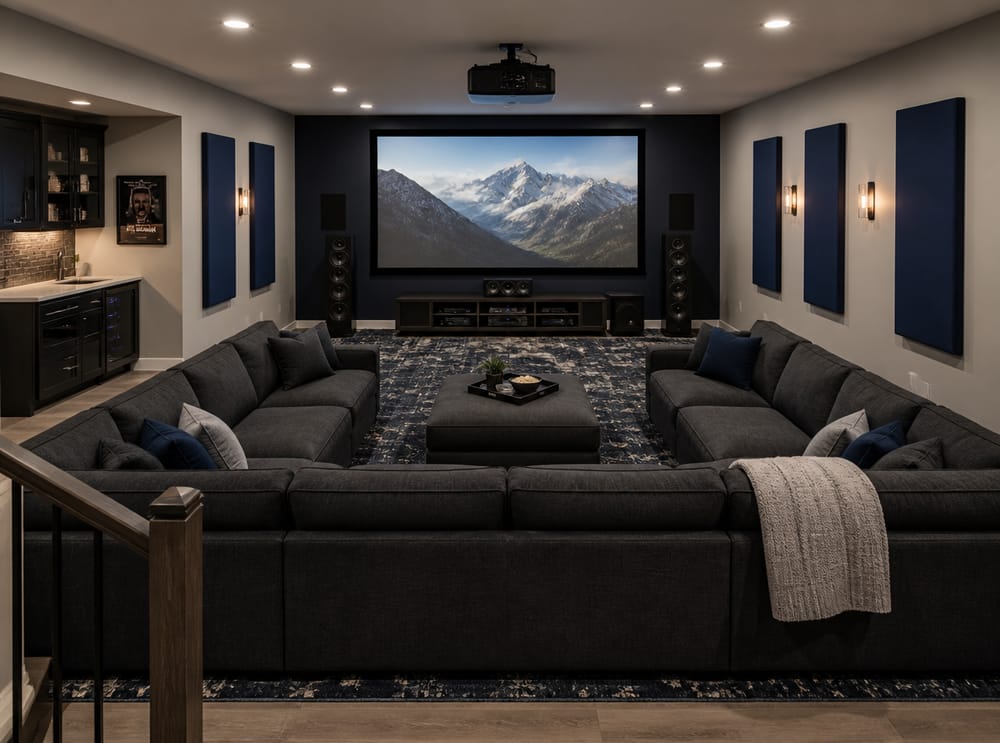
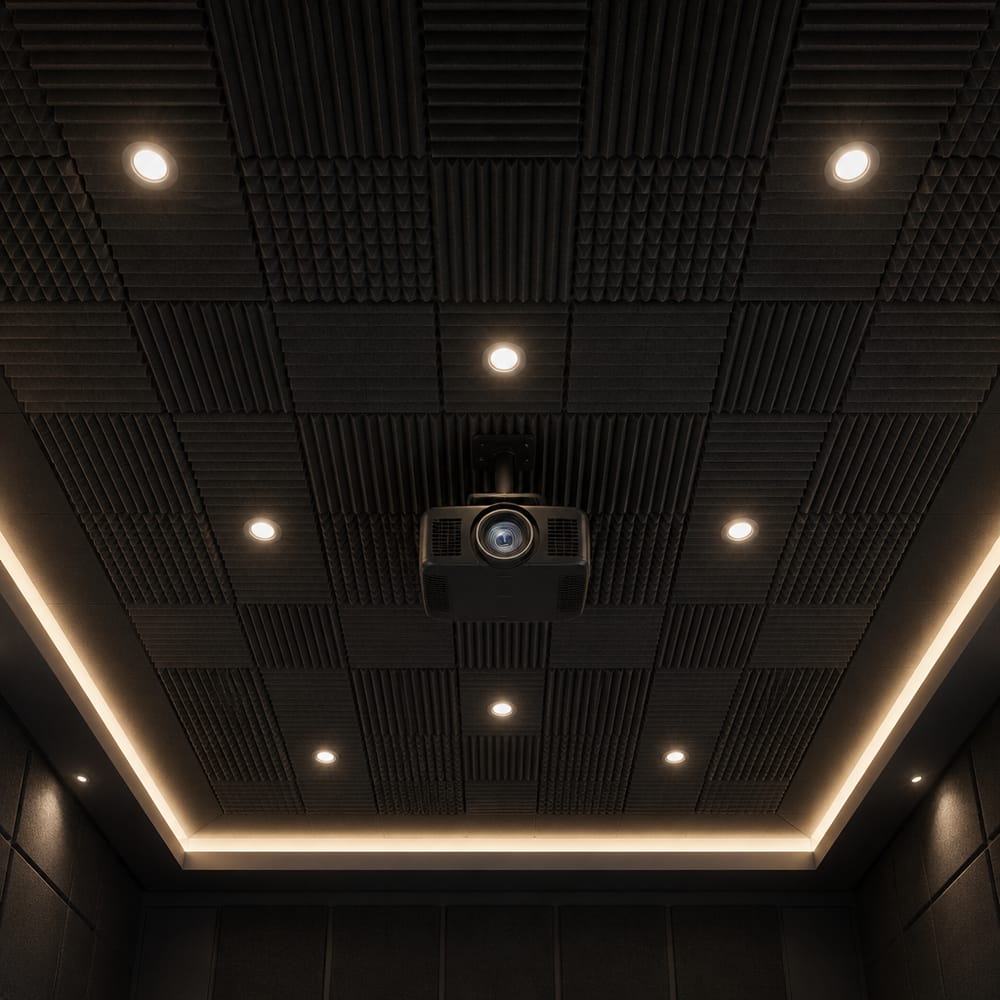
A dedicated media room works best when every decision — from seating placement to how light enters the space — is made in service of the viewing experience rather than general living. The ideas here cover the full range of theater room setups, whether you're working with a blacked-out basement or a spare bedroom that needs acoustic treatment, helping you build a space tuned for film, sound, and genuine focus.
Design Choices That Actually Affect Performance
- Position your primary seating at roughly two-thirds of the room's depth from the screen — too close flattens the image, too far loses detail, and this middle zone is where most projector setups and large displays perform best.
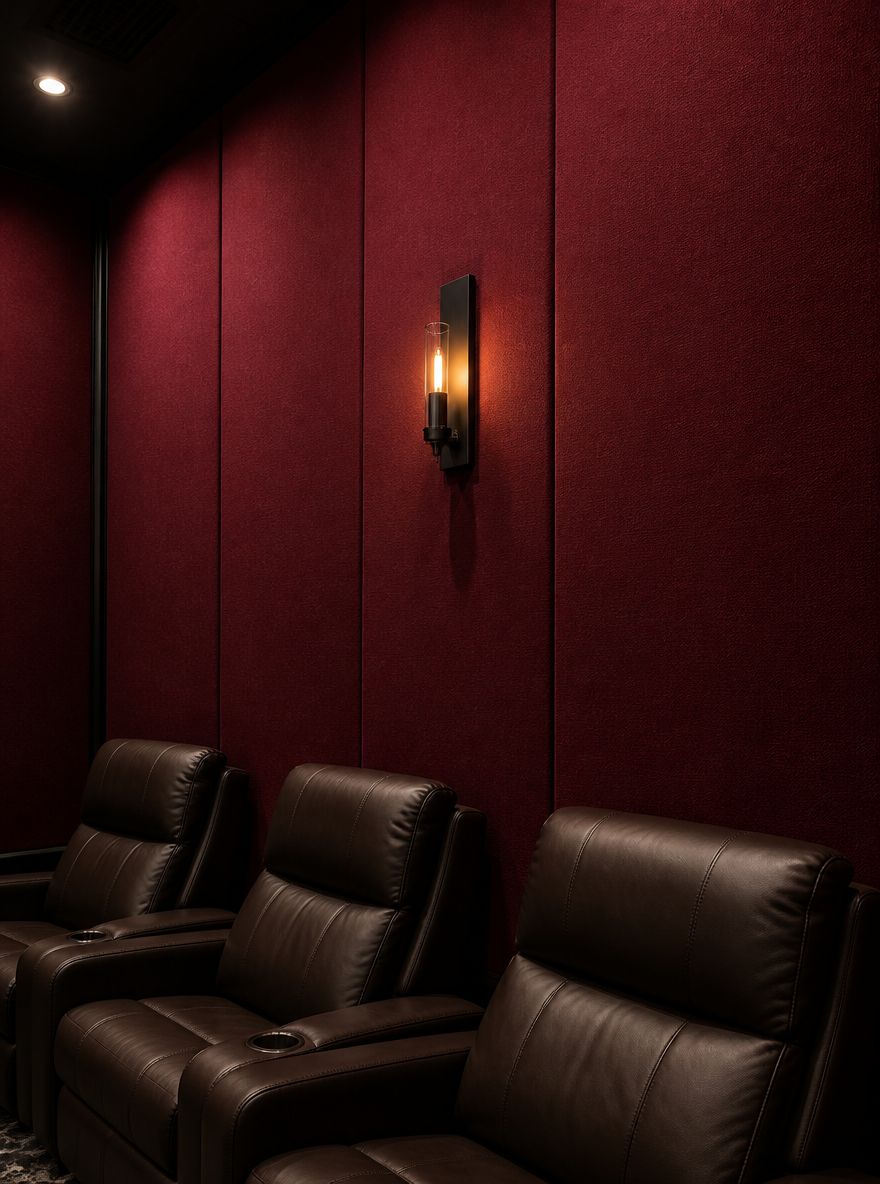
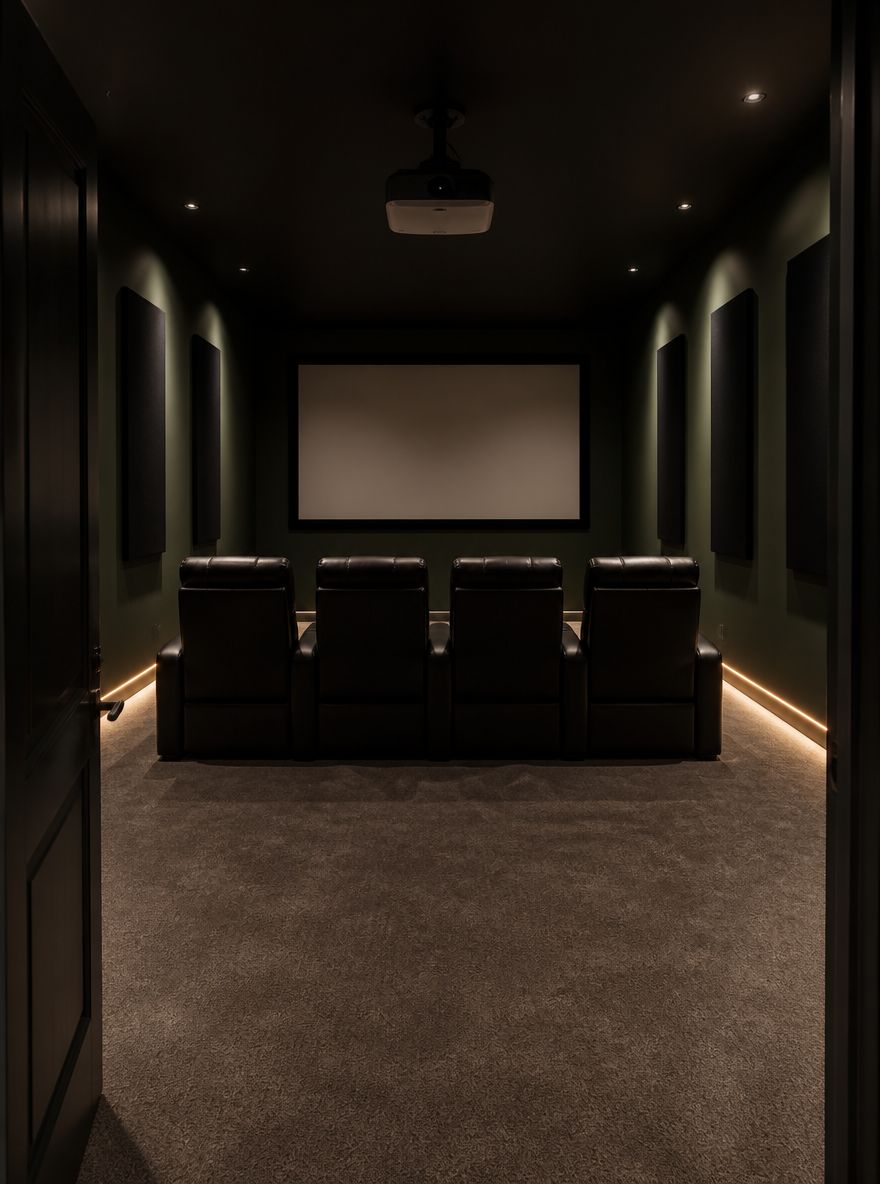
- Treat the side walls before worrying about gear: fabric panels, bookshelves filled with soft objects, or even heavy curtains break up sound reflections that make dialogue muddy regardless of speaker quality.
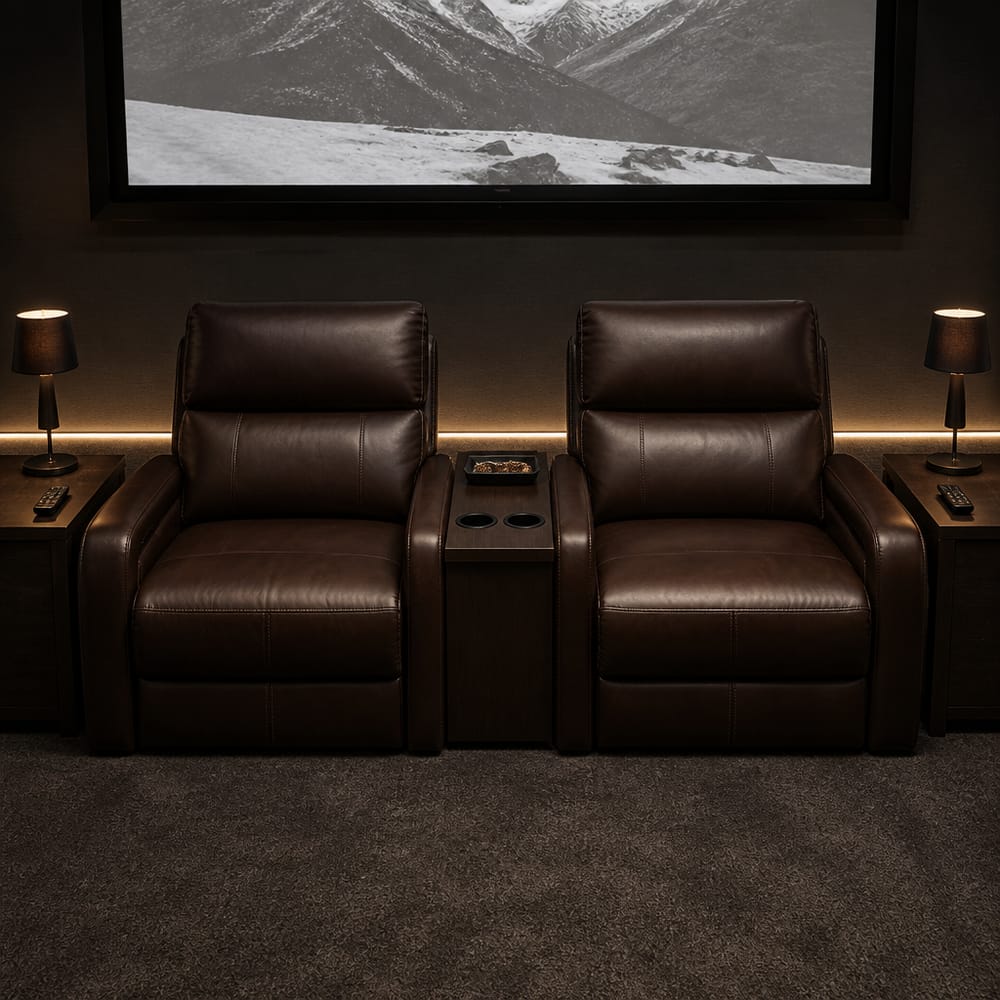
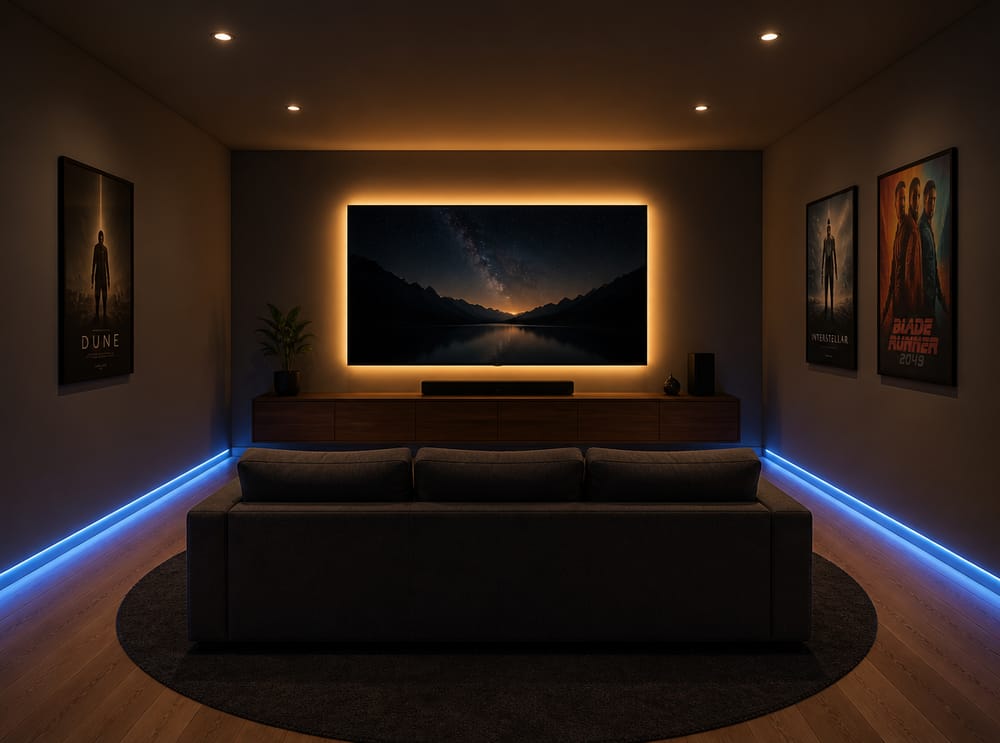
- Use bias lighting behind the screen or display rather than overhead fixtures — it reduces eye strain during long sessions and makes contrast appear richer without any changes to the projector or TV settings.
- Choose seating with high backs and defined rows if space allows; it reinforces the intentional, theater-like atmosphere and prevents the room from feeling like an overgrown living room.
- Run cable management and power to the back wall during setup, even if you don't need it yet — retrofitting conduit through a finished media room is the most common regret in movie room builds.
FAQ
Your room, redesigned in seconds
Your room, redesigned
Upload one photo — get 4 redesigns in under a minute. Free trial available.
- One photo, 4 redesigns
- ~45s to preview
- Free to try