Идеи для сенсорных комнат, которые успокаивают, вовлекают и действительно работают
Многоуровневое освещение, тактильные поверхности и звукопоглощающие материалы, создающие ощущение безопасности и осознанности.
AI-превью за 45 сек
На фото любой комнаты
Бесплатно для ознакомления · Просмотрите варианты стиля за считанные секунды
ГалереяИдеи для сенсорной комнаты
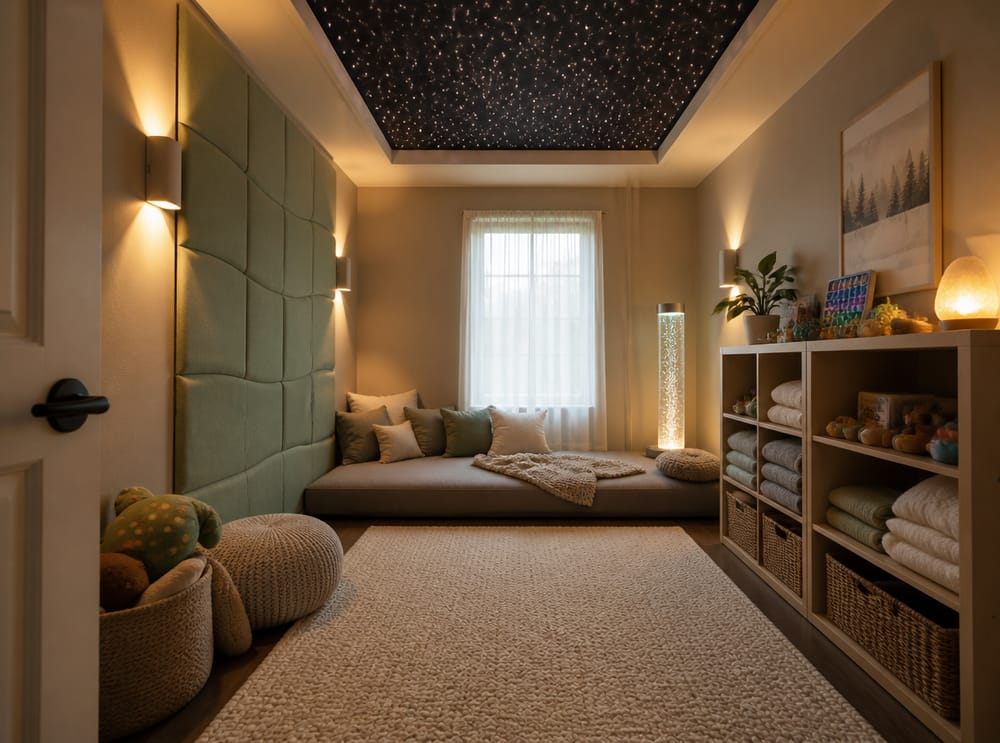
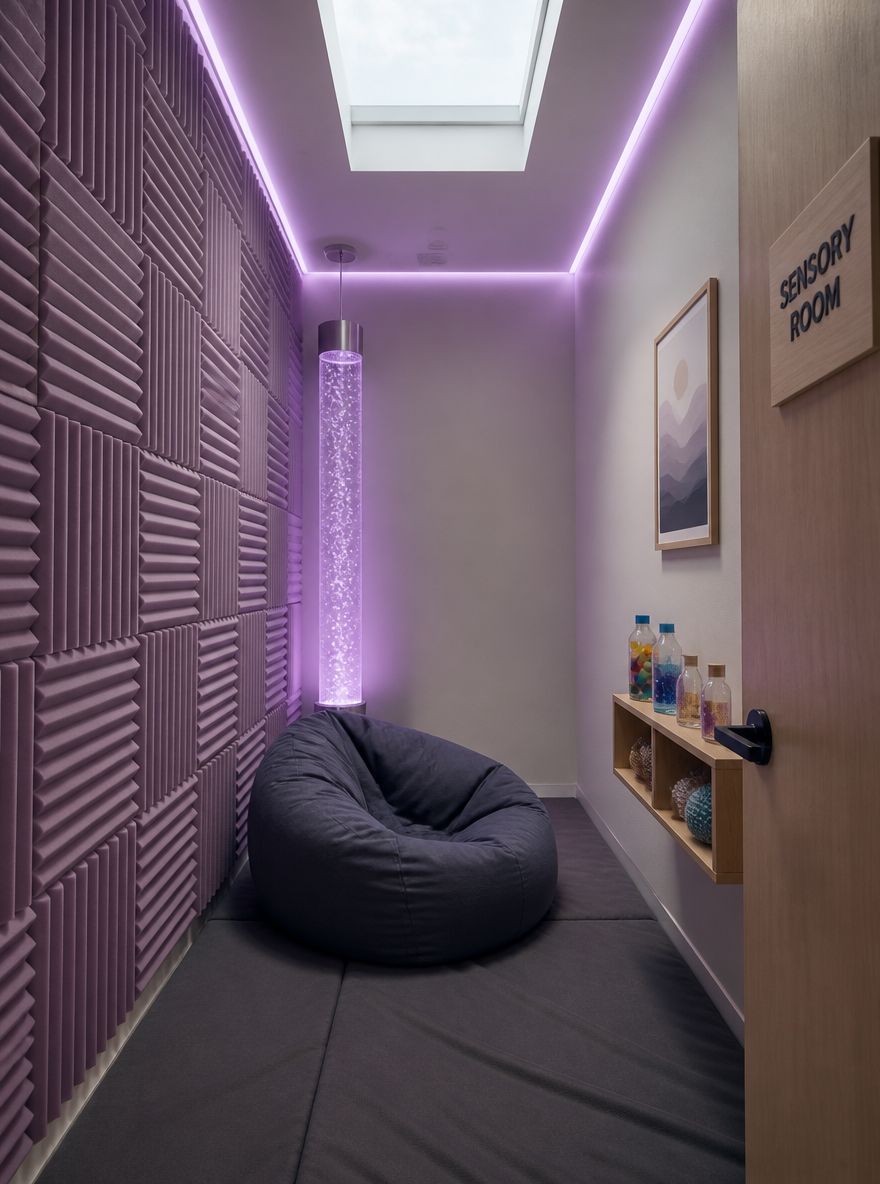
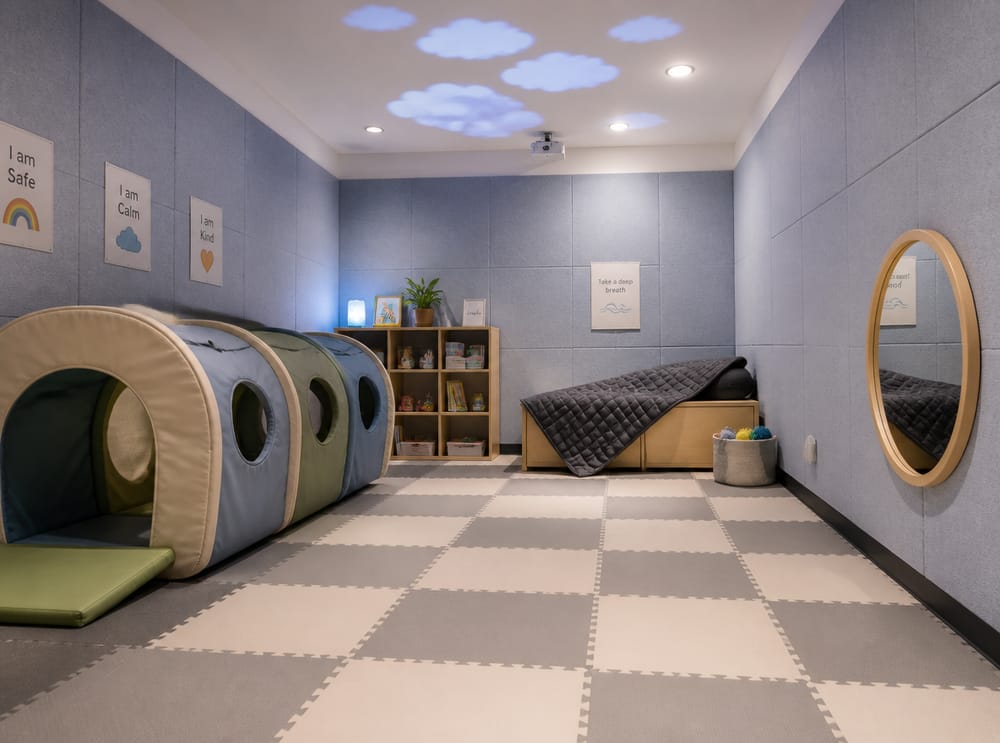
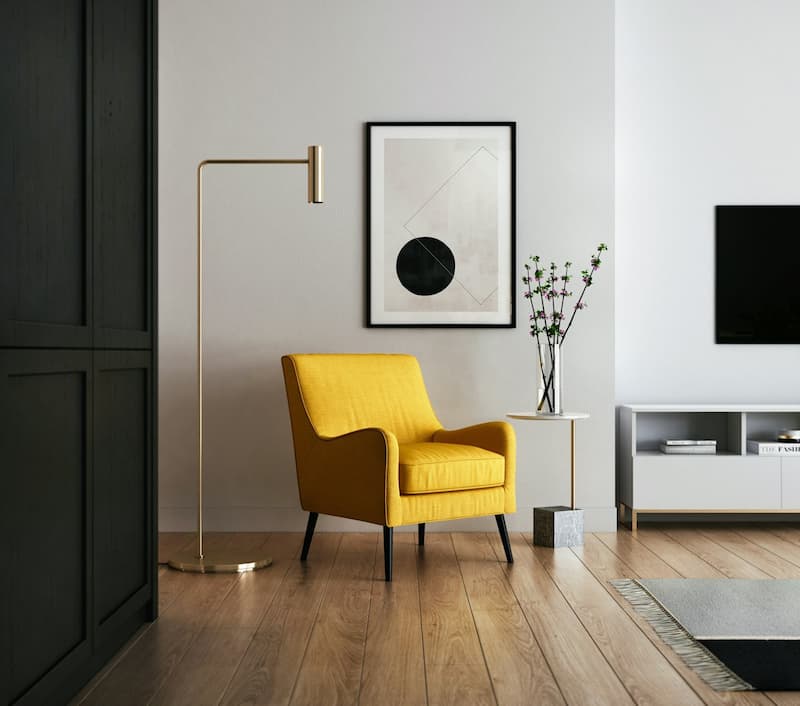
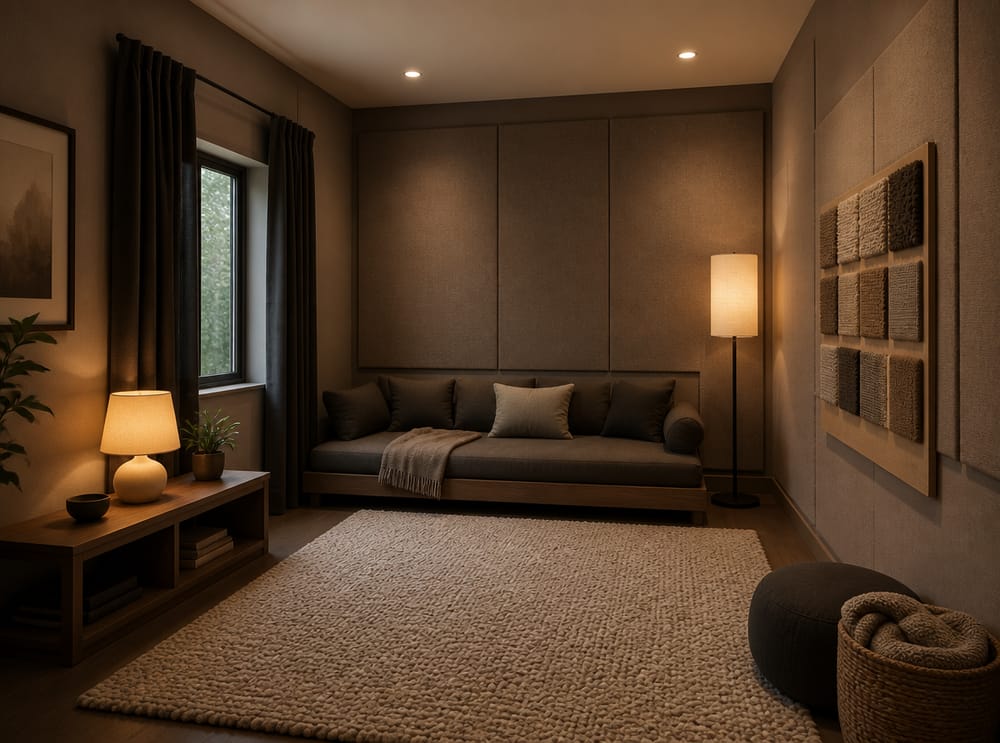
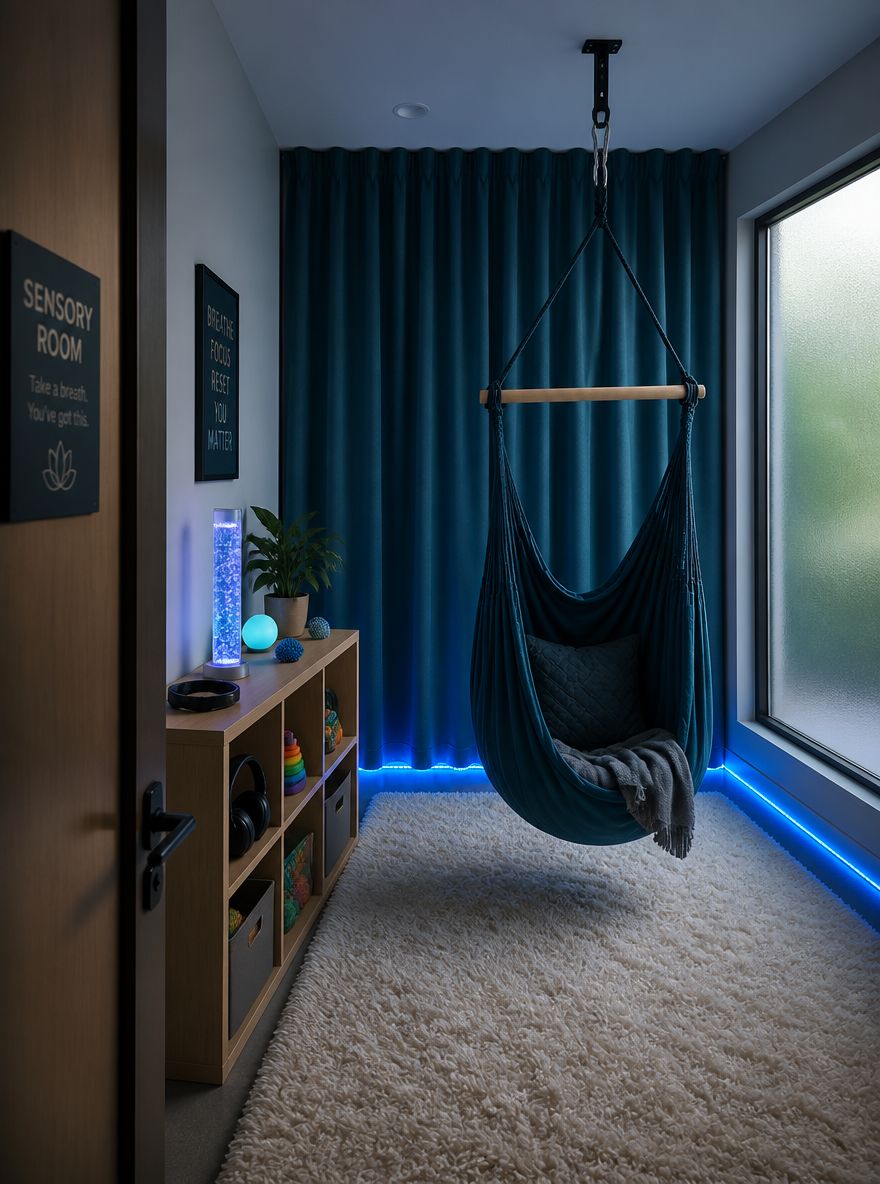
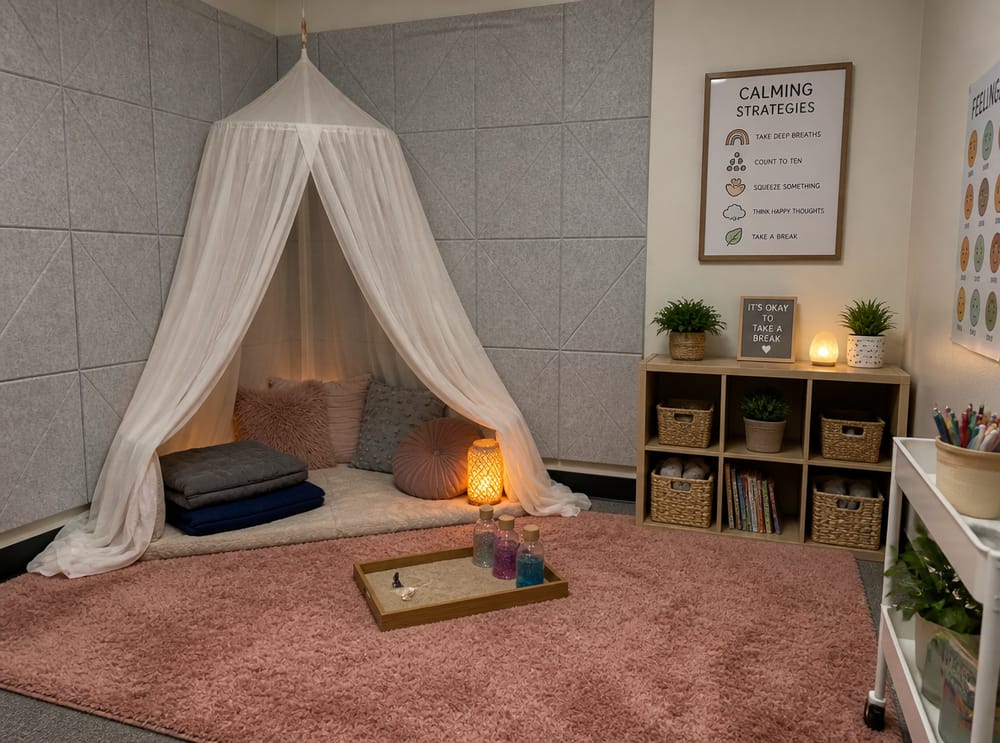
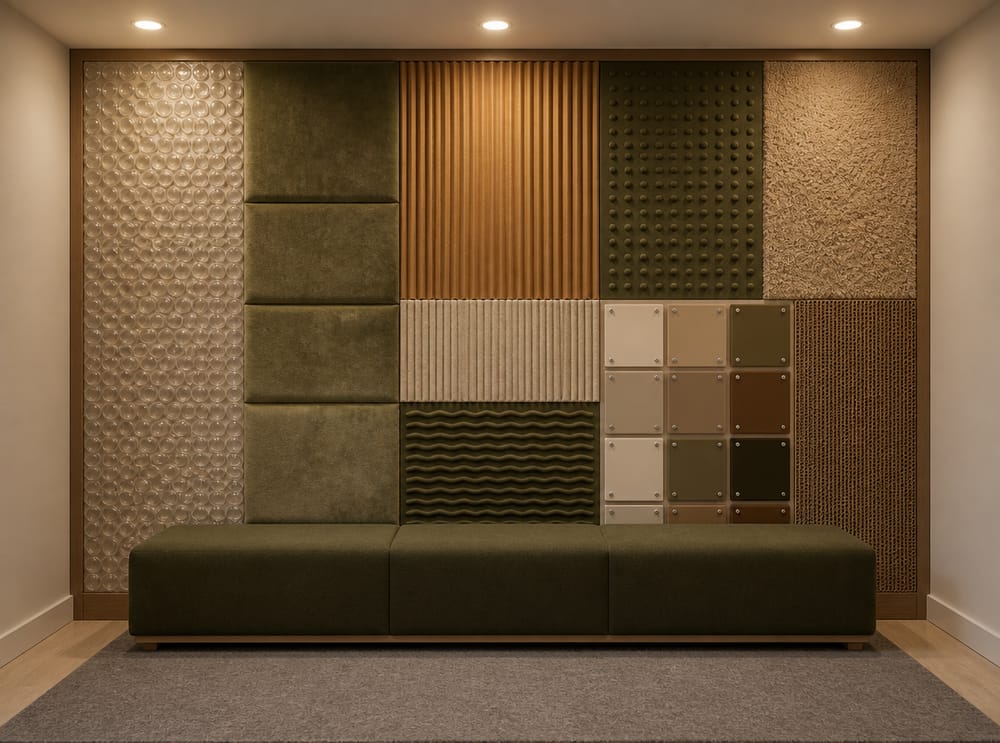
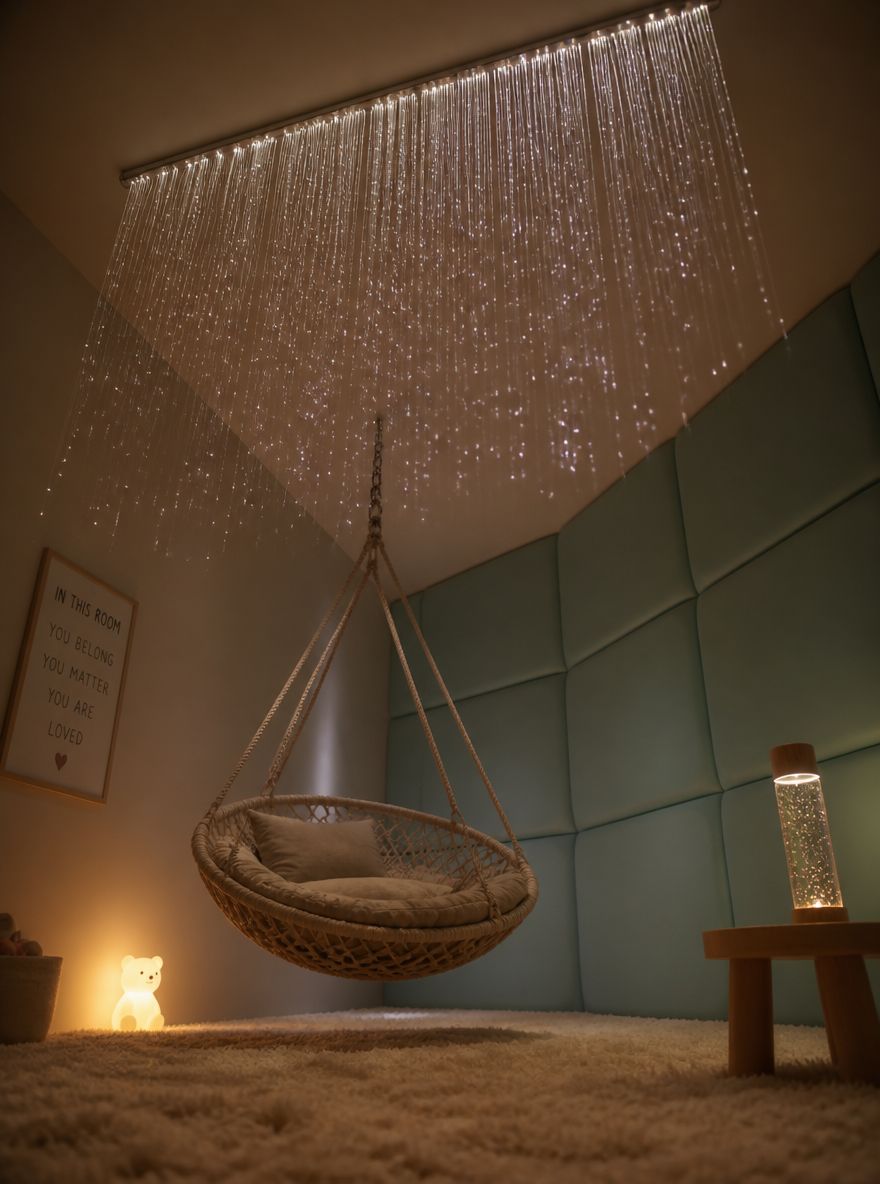
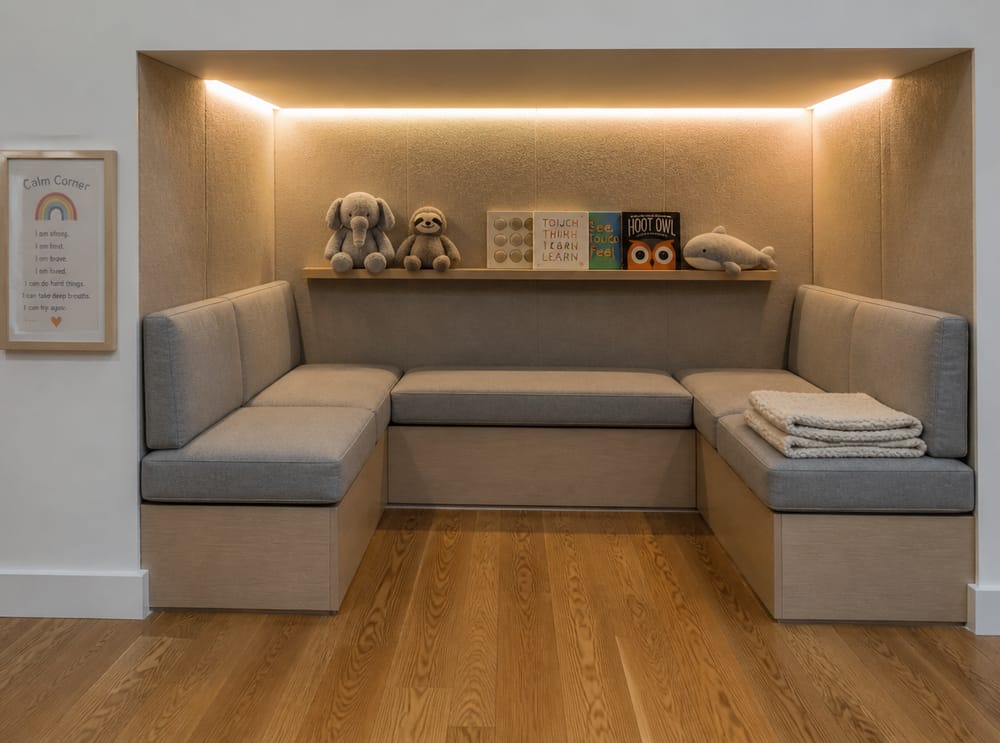
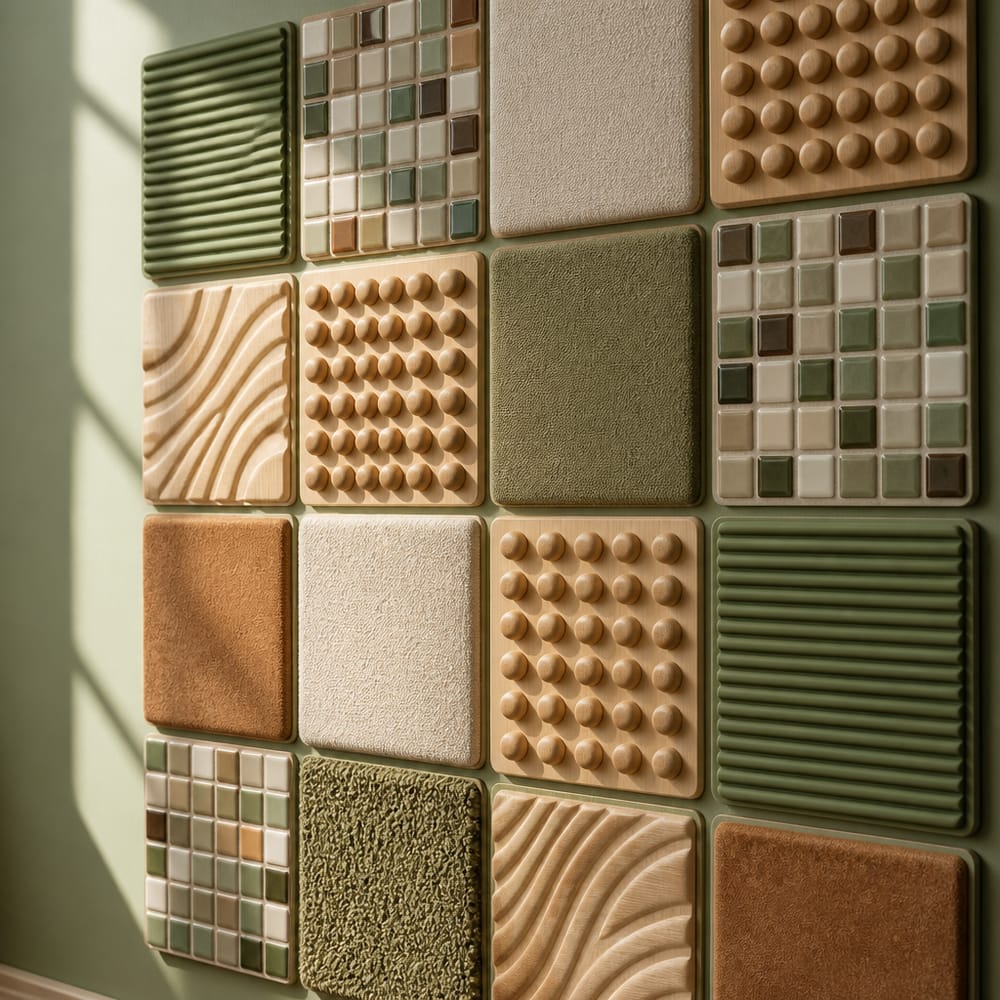
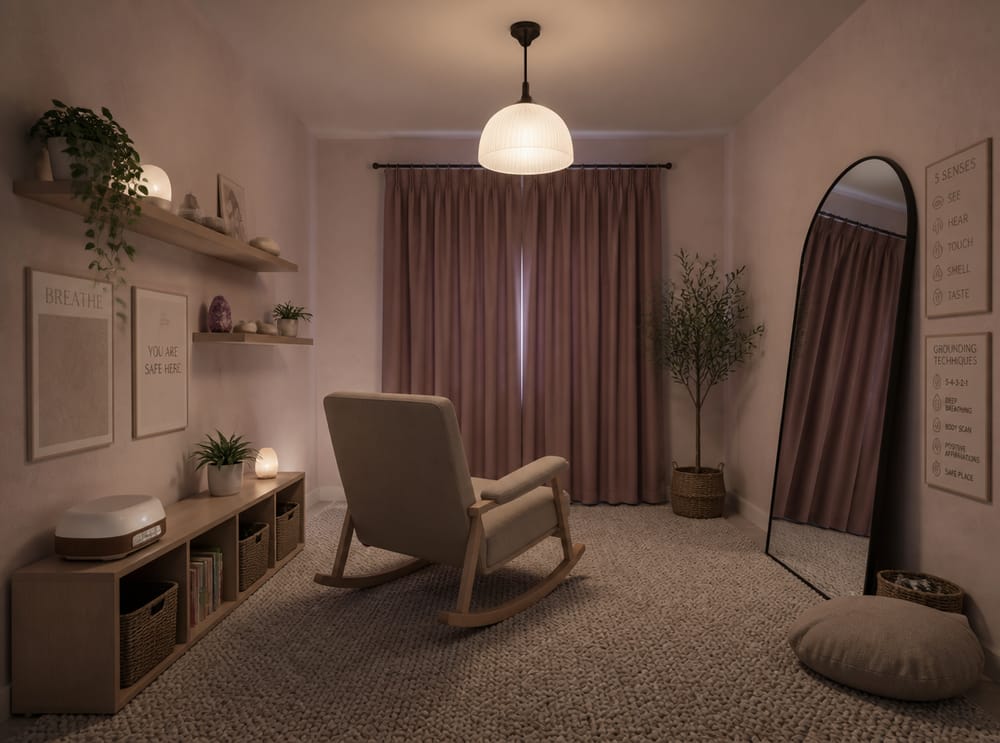
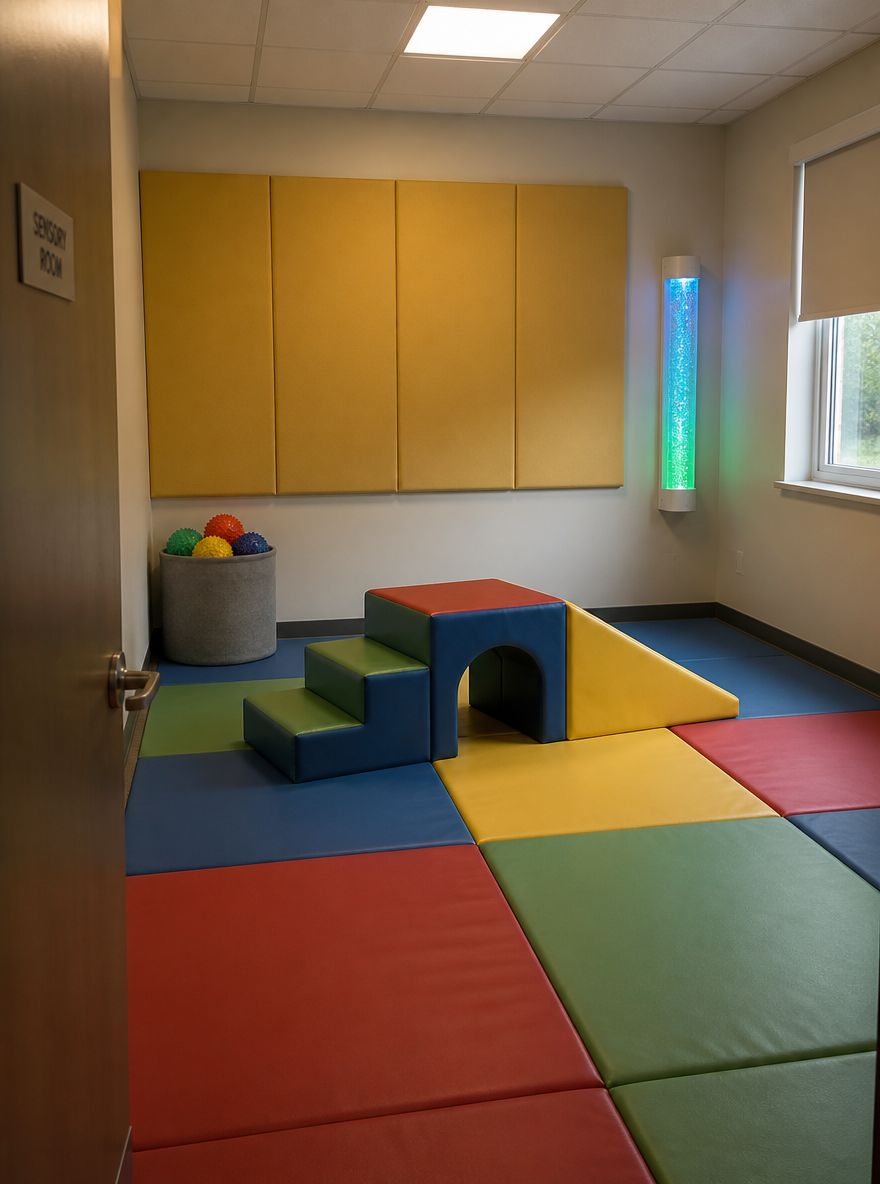
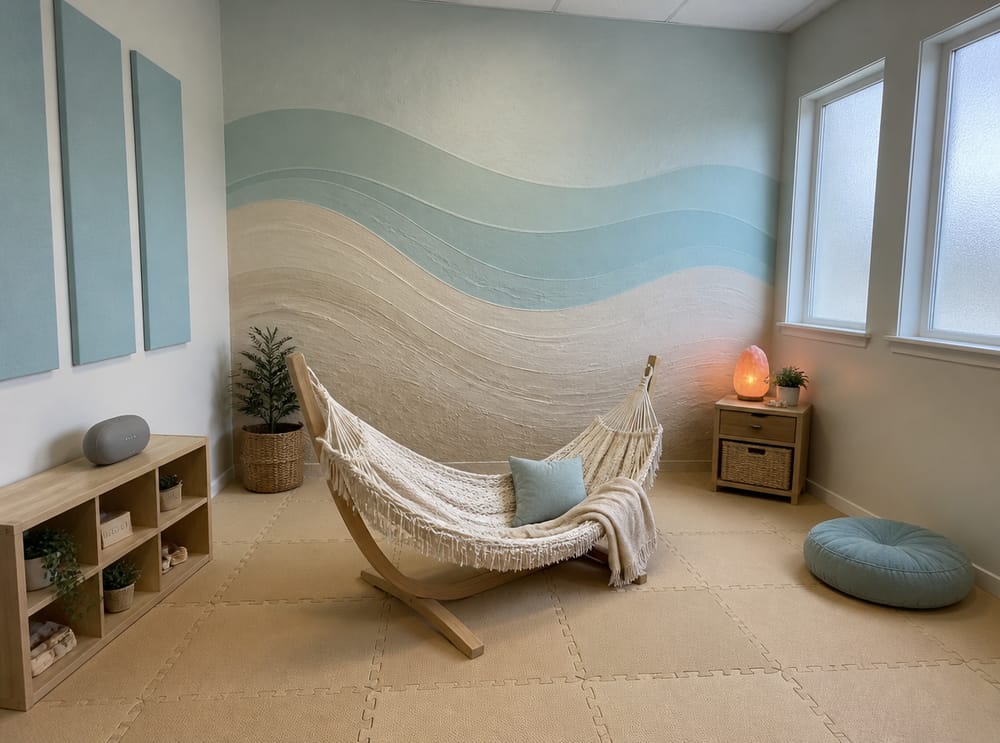
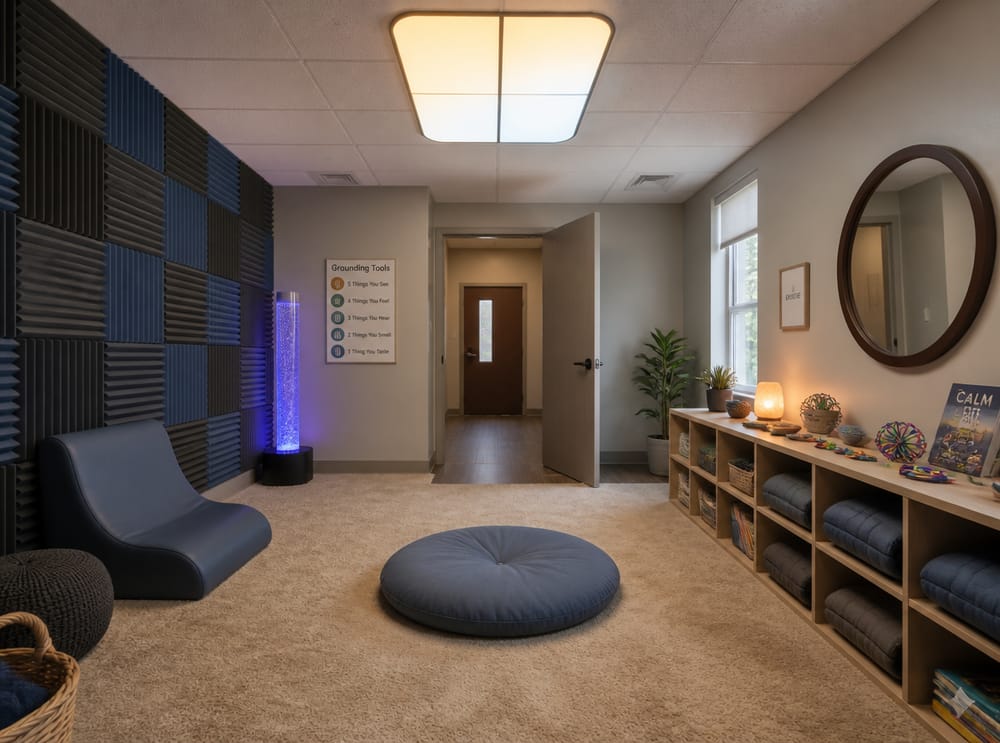

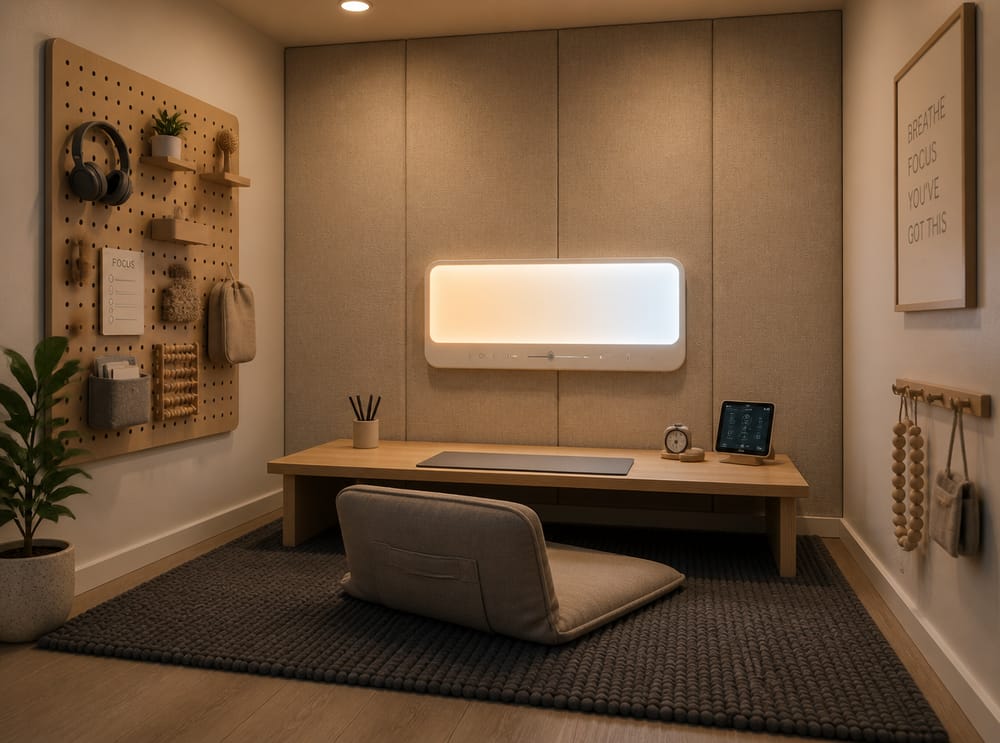
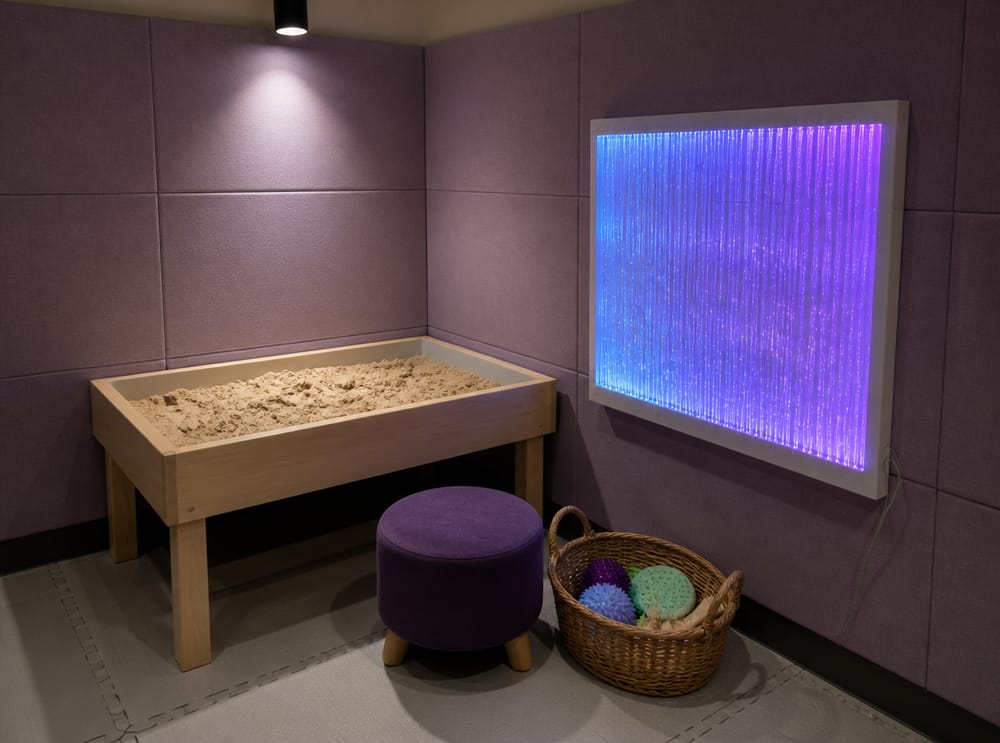
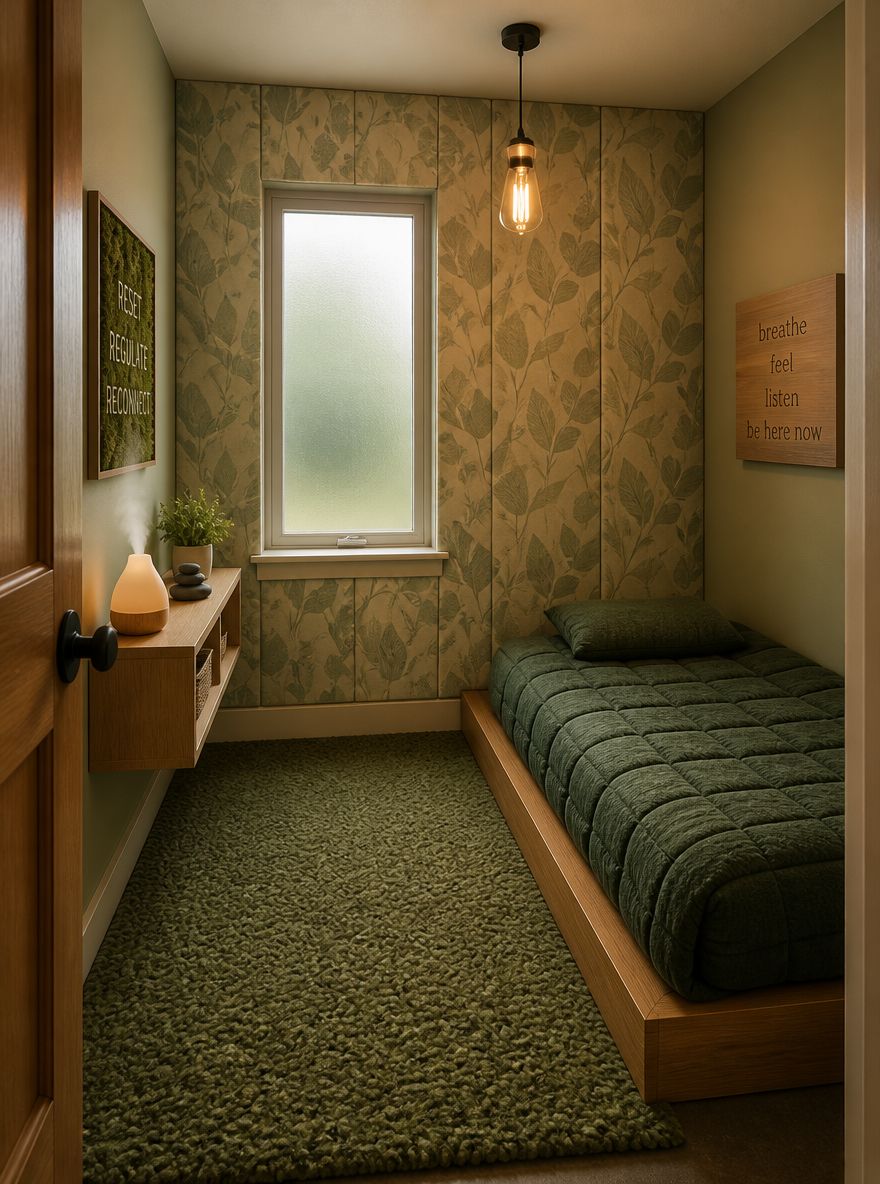
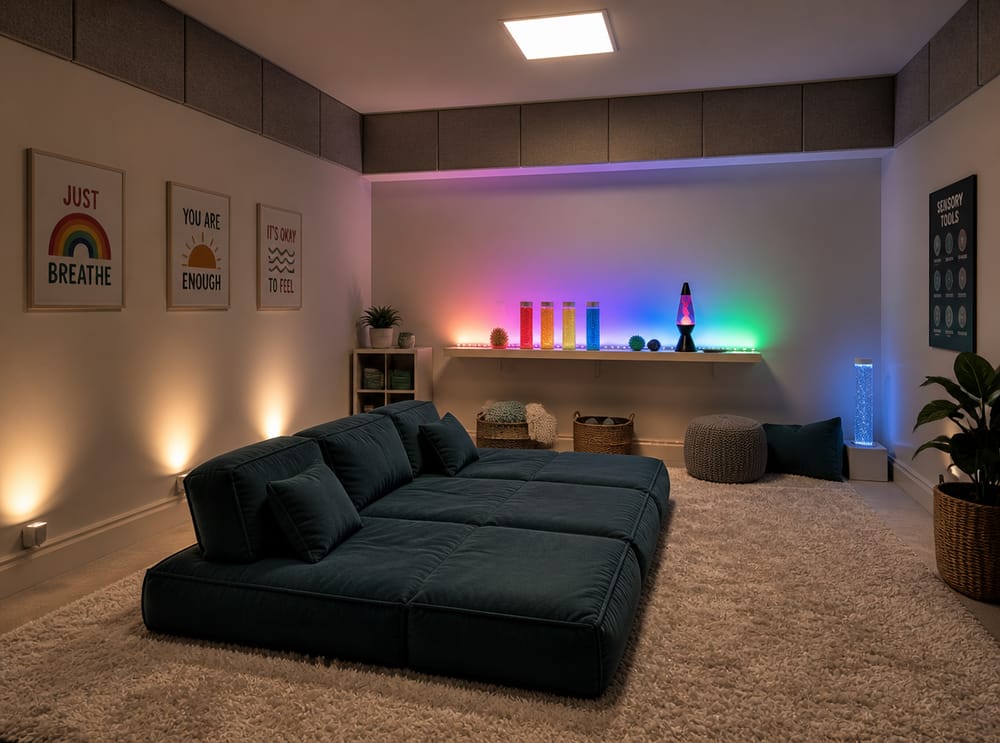
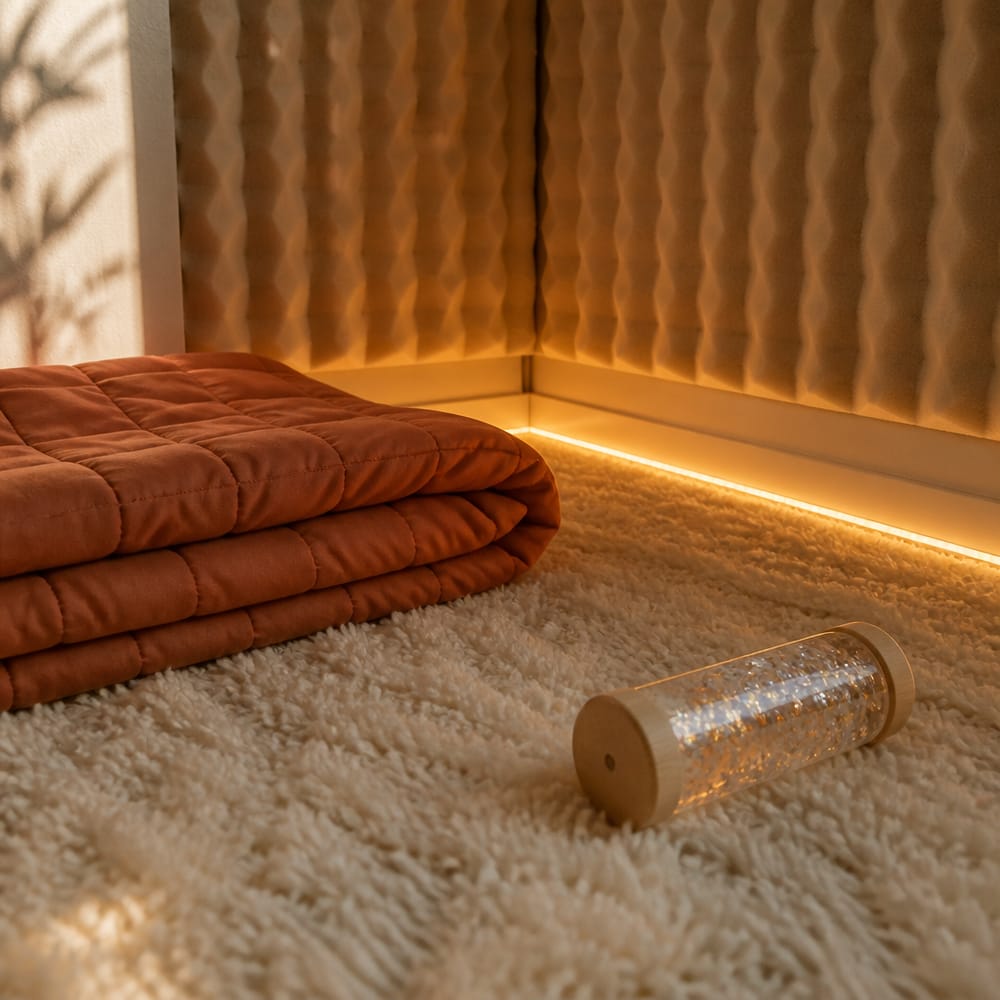
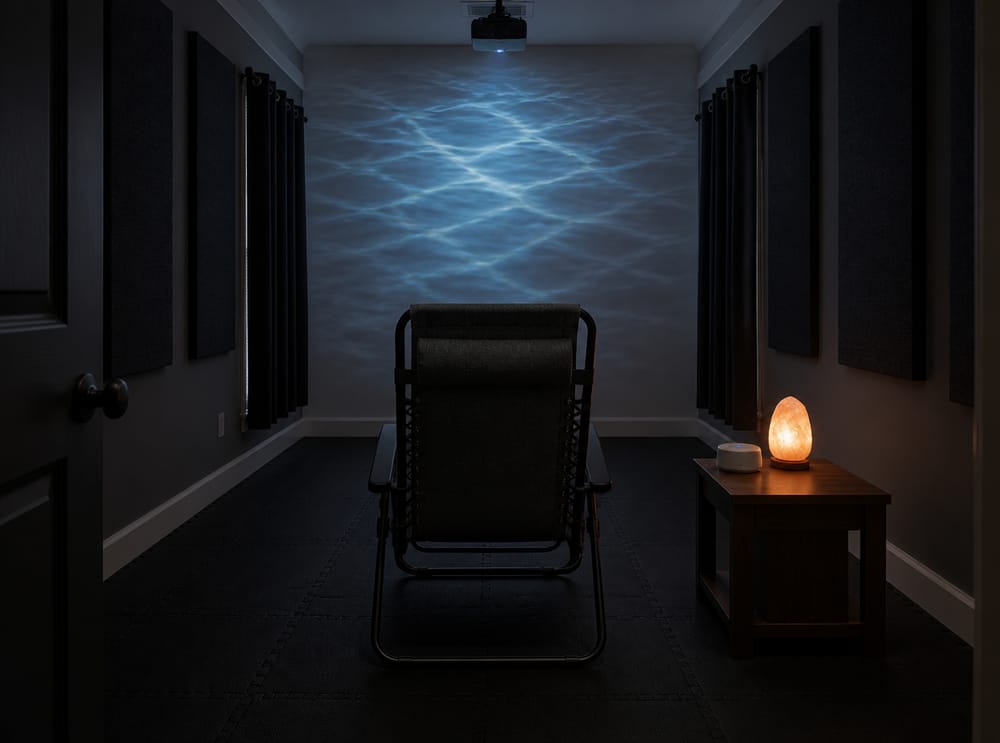
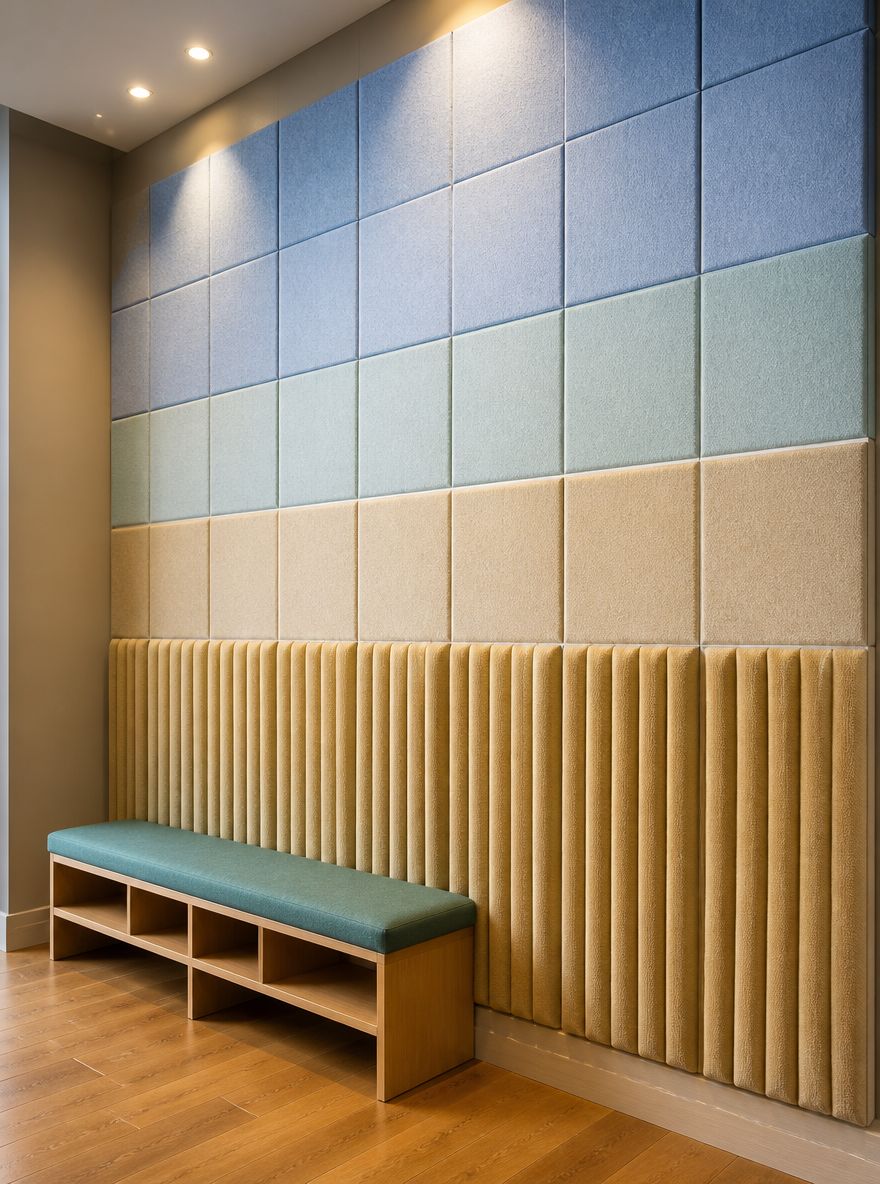
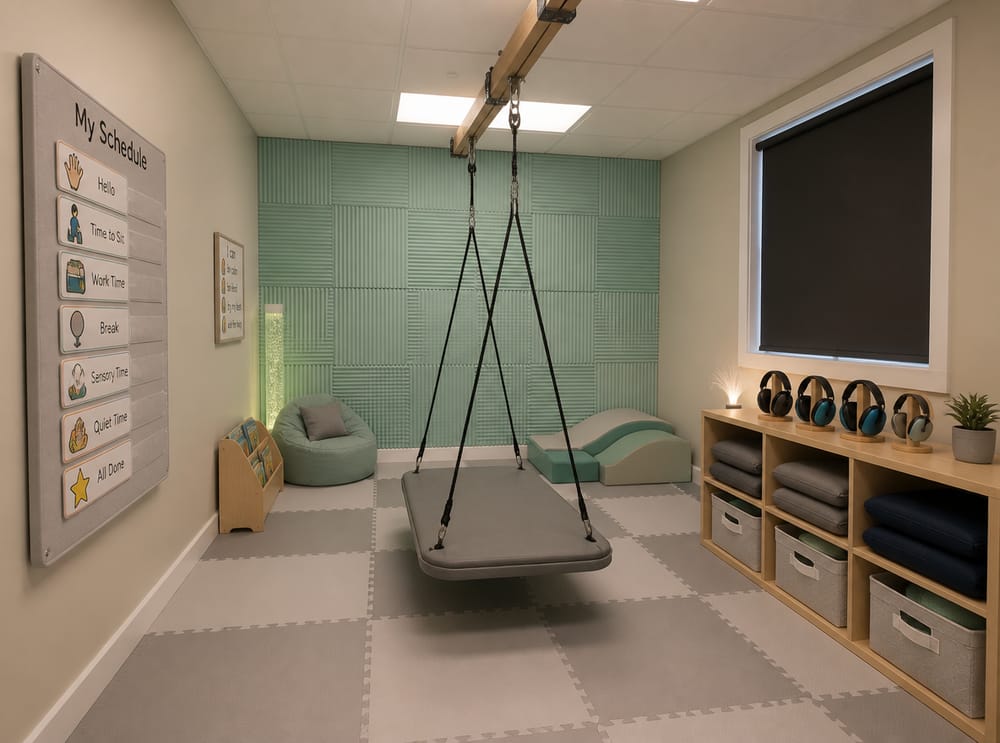
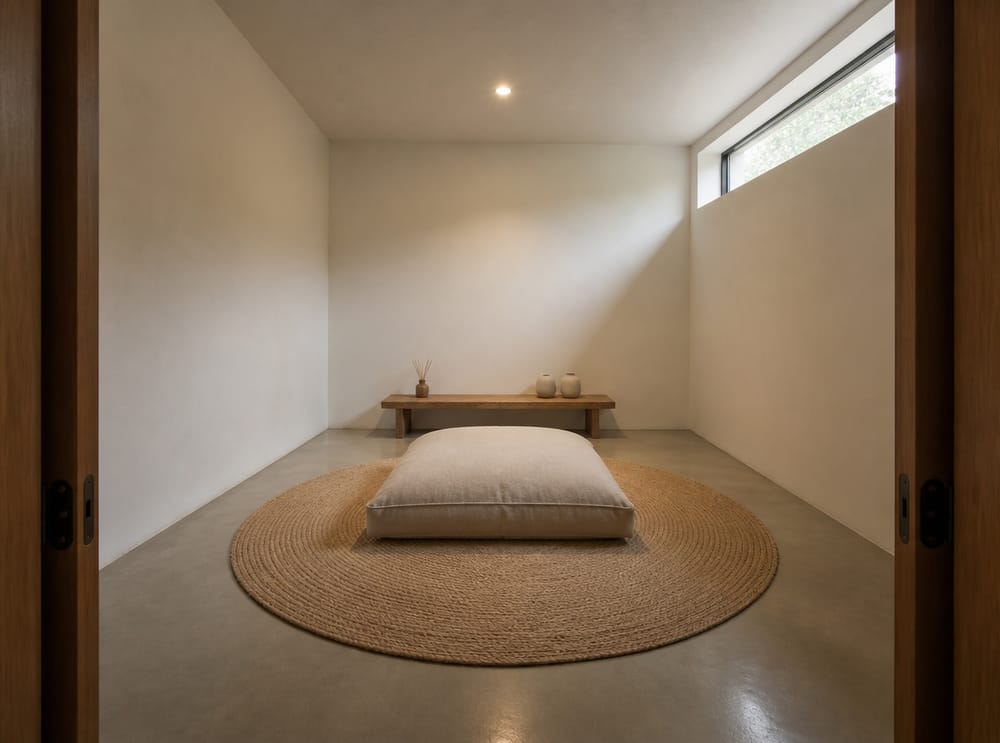
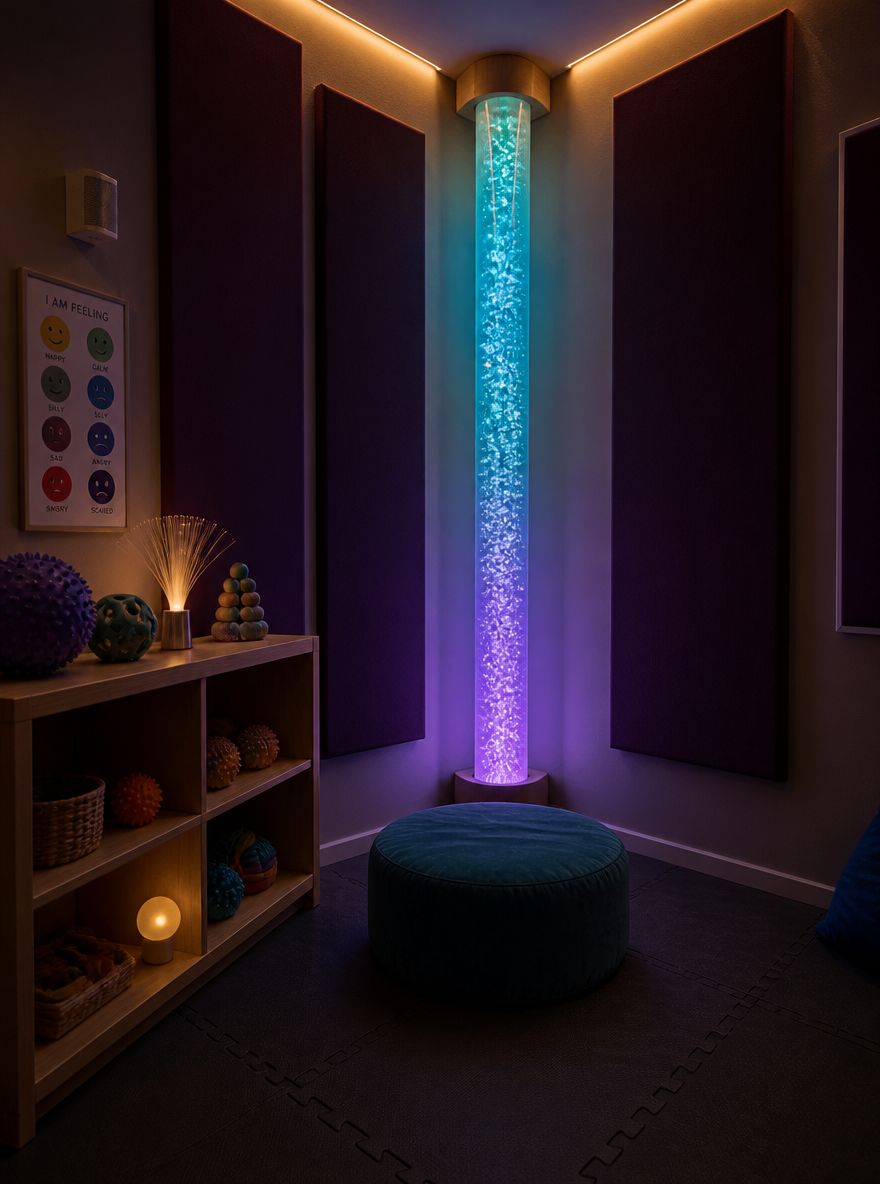
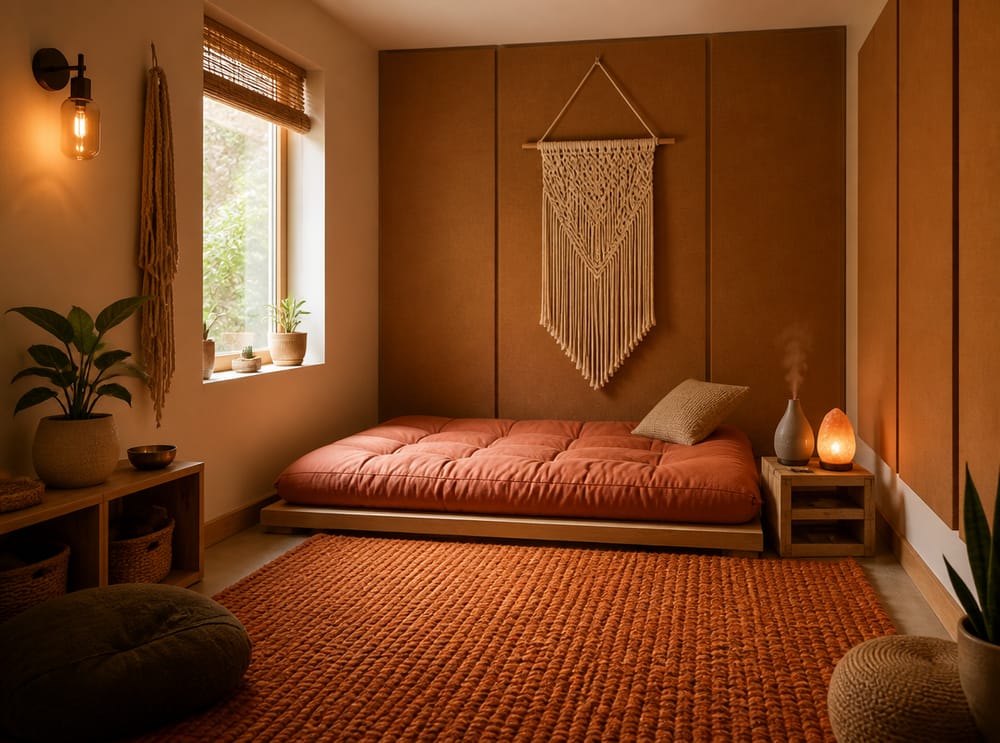
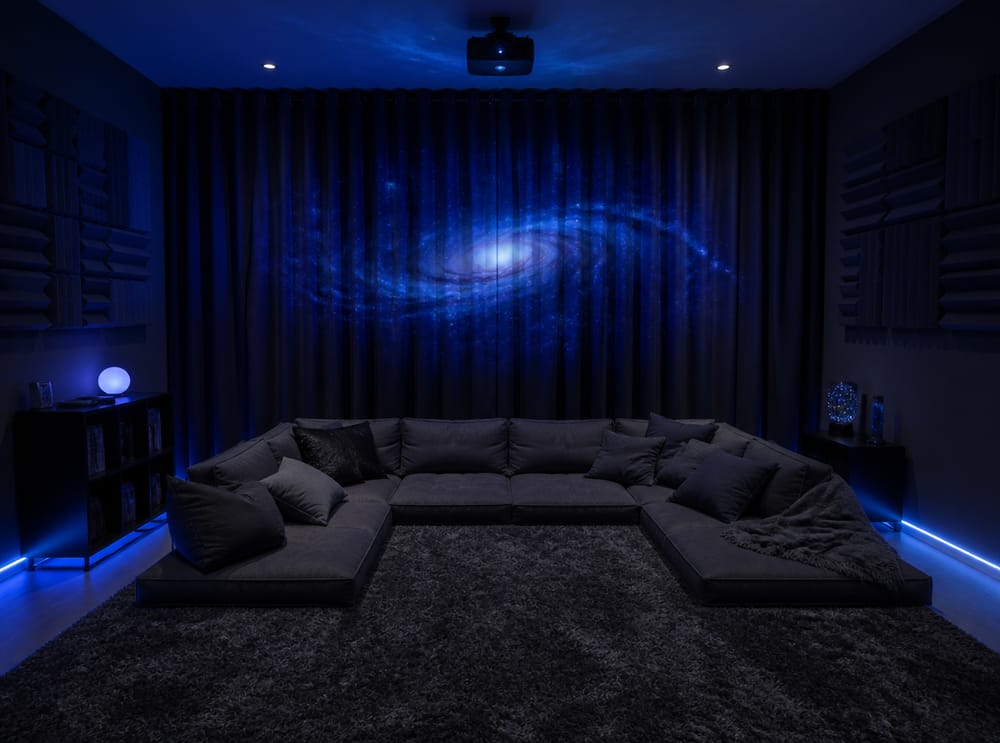
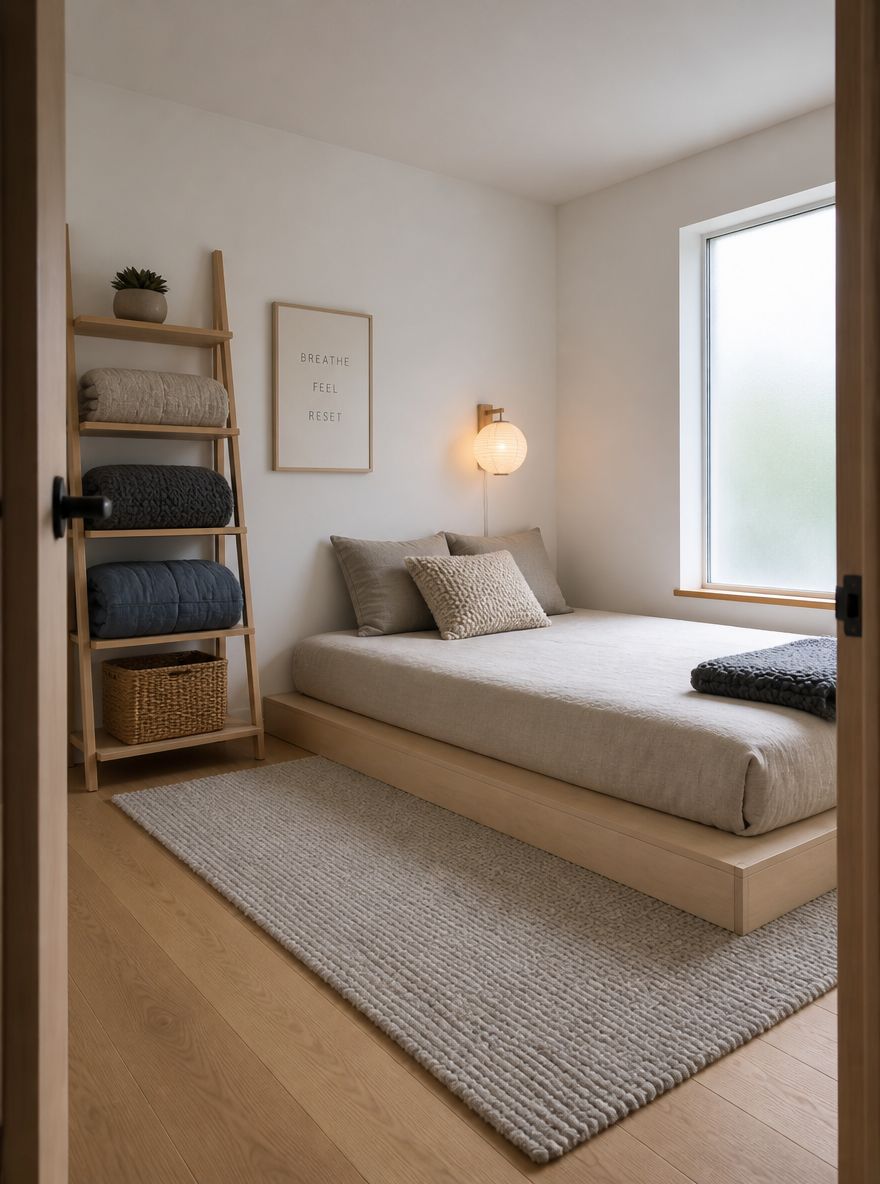
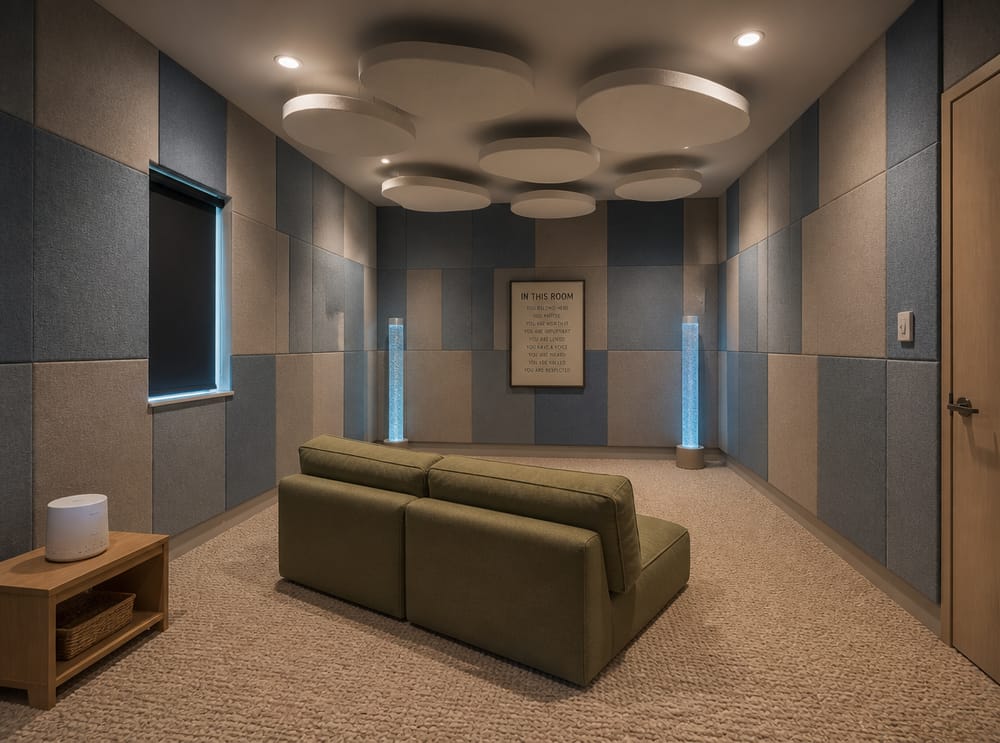
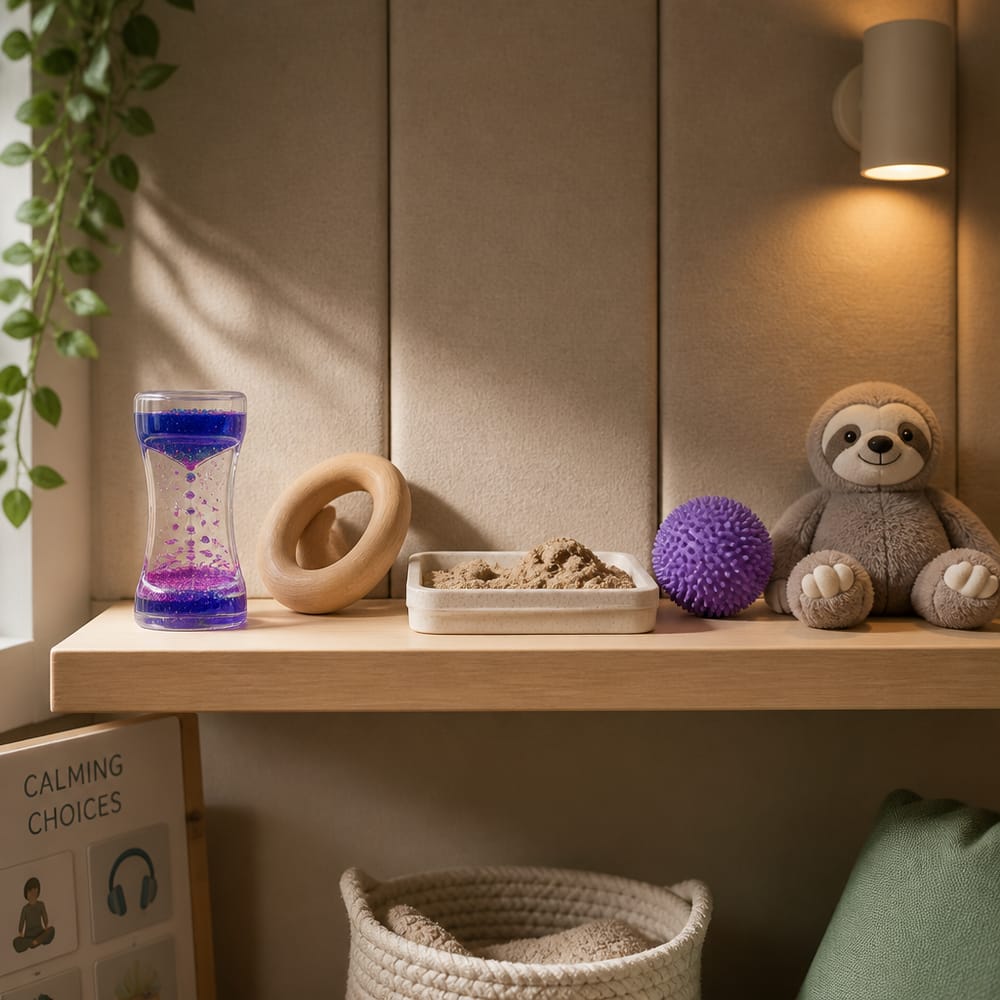
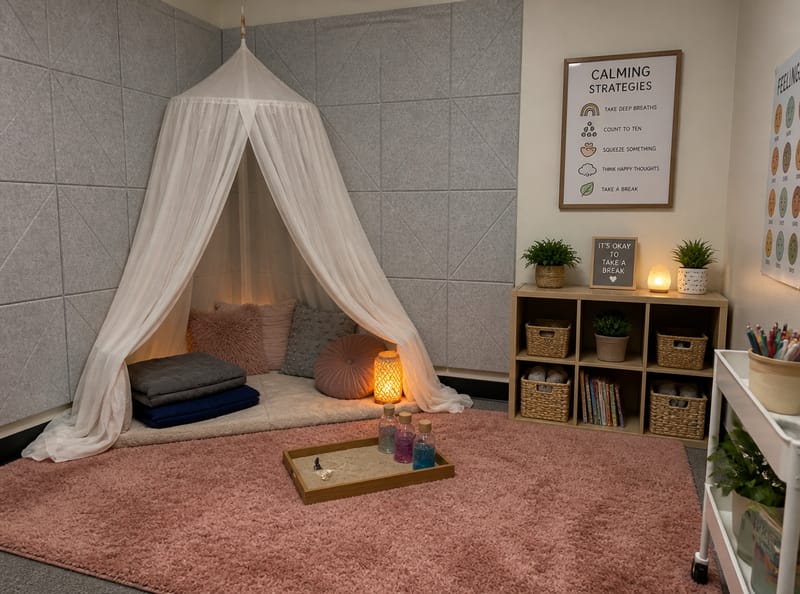
Хорошо спроектированная сенсорная комната — это не просто уголок с несколькими игрушками, а обдуманное пространство, где многослойное освещение, тактильные поверхности и звукопоглощающие материалы работают вместе, чтобы человек чувствовал себя по-настоящему в безопасности и мог саморегулироваться. Здесь собраны идеи для разных потребностей и бюджетов: от спокойных зон с минимальной стимуляцией до более интересных решений, которые приглашают исследовать и сосредотачиваться.
Что действительно делает сенсорную комнату эффективной
- Регулируйте свет по слоям — сочетайте основной светильник с регулировкой яркости и низкое, тёплое акцентное освещение, чтобы комната могла переходить от бодрости к расслаблению без полной смены оборудования.
- Обозначьте мягкие, чёткие зоны на полу с помощью ковров или пенистых плиток; разные текстуры подскажут телу, где сидеть, двигаться или отдыхать без словесных указаний.
- Устанавливайте шумопоглощающие панели сначала на стене с наибольшим количеством твёрдых поверхностей — обычно напротив окна — чтобы уменьшить эхо до добавления любых звуковых элементов вроде белого шума или музыки.
- Держите визуальный контраст под контролем: нейтральная база позволяет добавить одну-две выразительных точки, таких как пузырьковая колонна или волоконно-оптическая панель, не перегружая пространство.
- Организуйте хранение так, чтобы оборудование полностью скрывалось, когда не используется — беспорядок в сенсорной комнате разрушает ту самую атмосферу спокойствия, которая должна достигаться.
Вопросы и ответы
Загрузите фото — получите 4 варианта обновления интерьера меньше чем за минуту. Доступен бесплатный пробный период.
- Одно фото — 4 варианта
- ~45 сек на просмотр
- Бесплатный пробный период