30+ wyselekcjonowane
Pomysły na siłownię w piwnicy, które zachęcają do treningów
Praktyczne układy, wybór podłóg i oświetlenie, które zamieniają niewykorzystaną piwnicę w siłownię, z której będziesz korzystać na co dzień.
Zaktualizowano
Podgląd AI w 45 sekund
Na podstawie dowolnego zdjęcia pomieszczenia
Wypróbuj za darmo · Zobacz efekty w kilka sekund
Galeria
GaleriaPomysły na siłownię w piwnicy
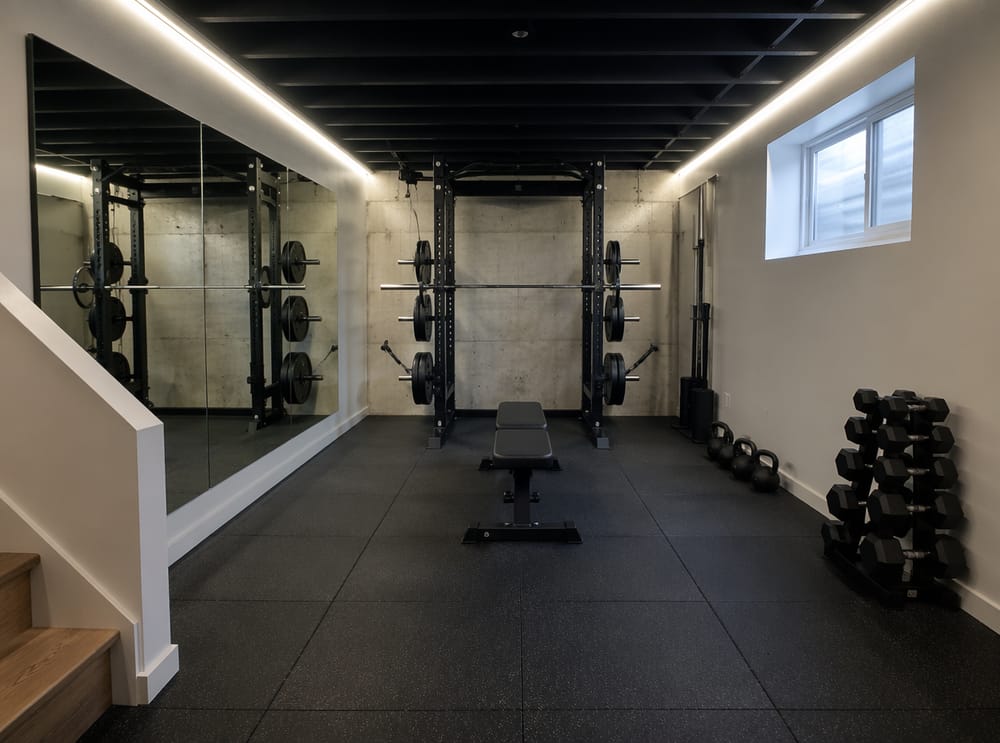
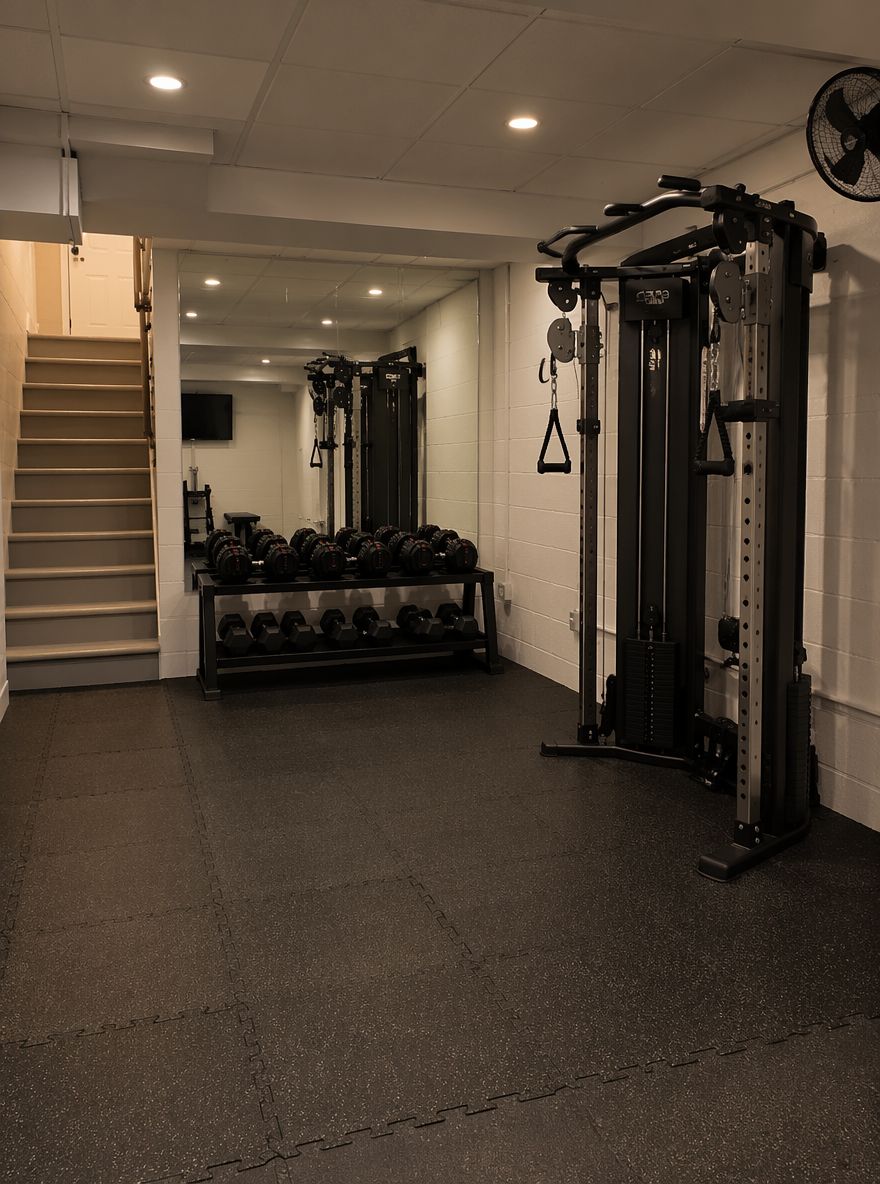
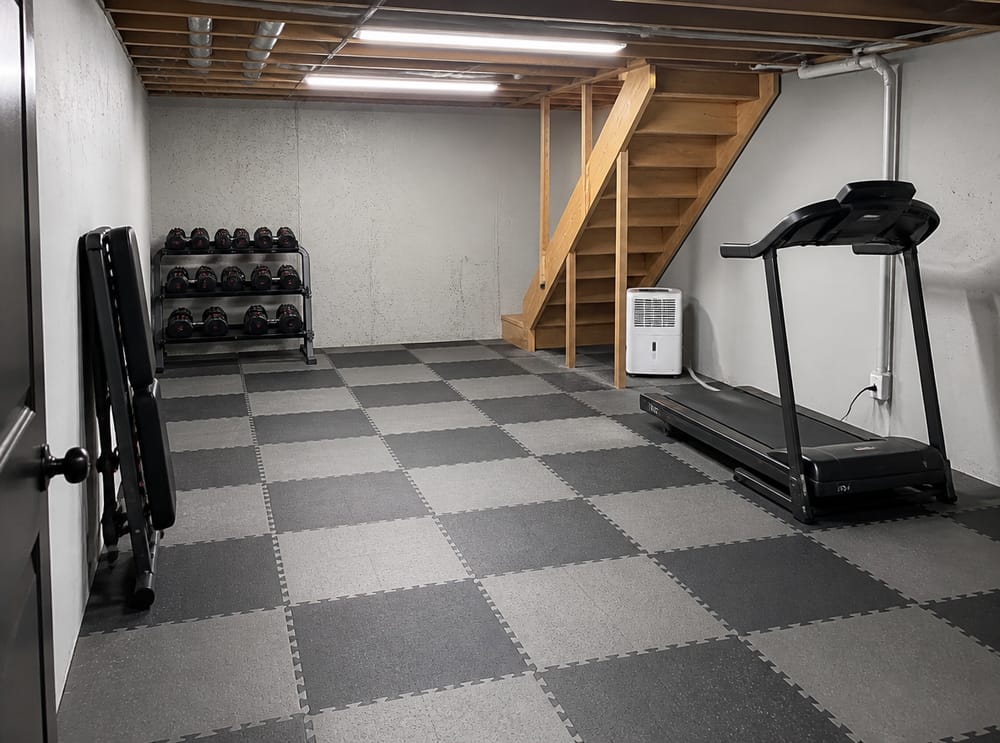
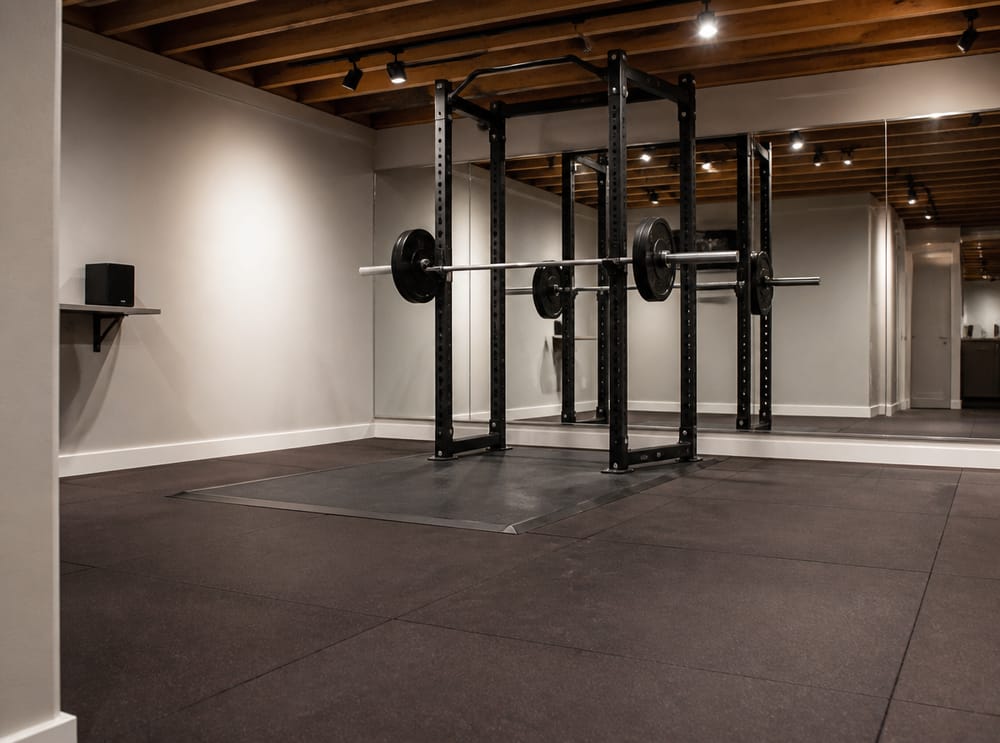
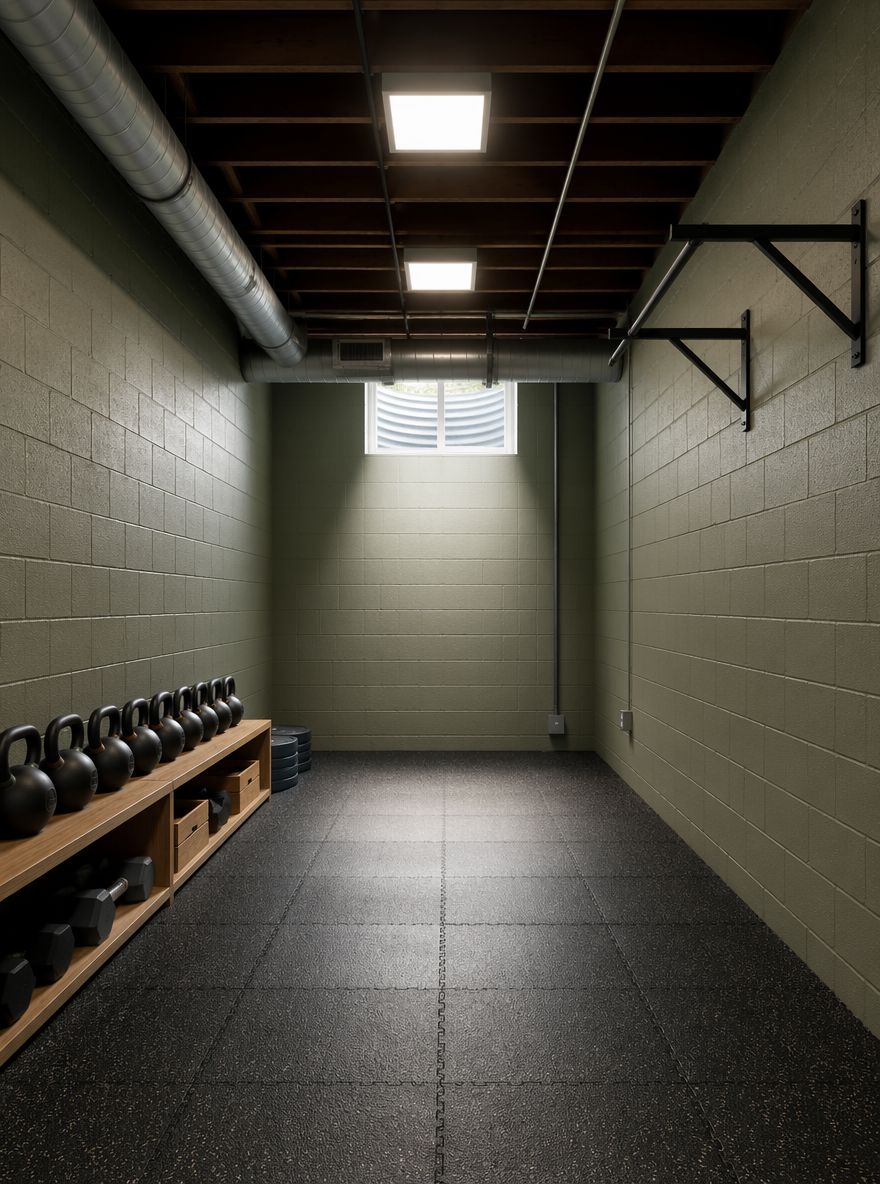
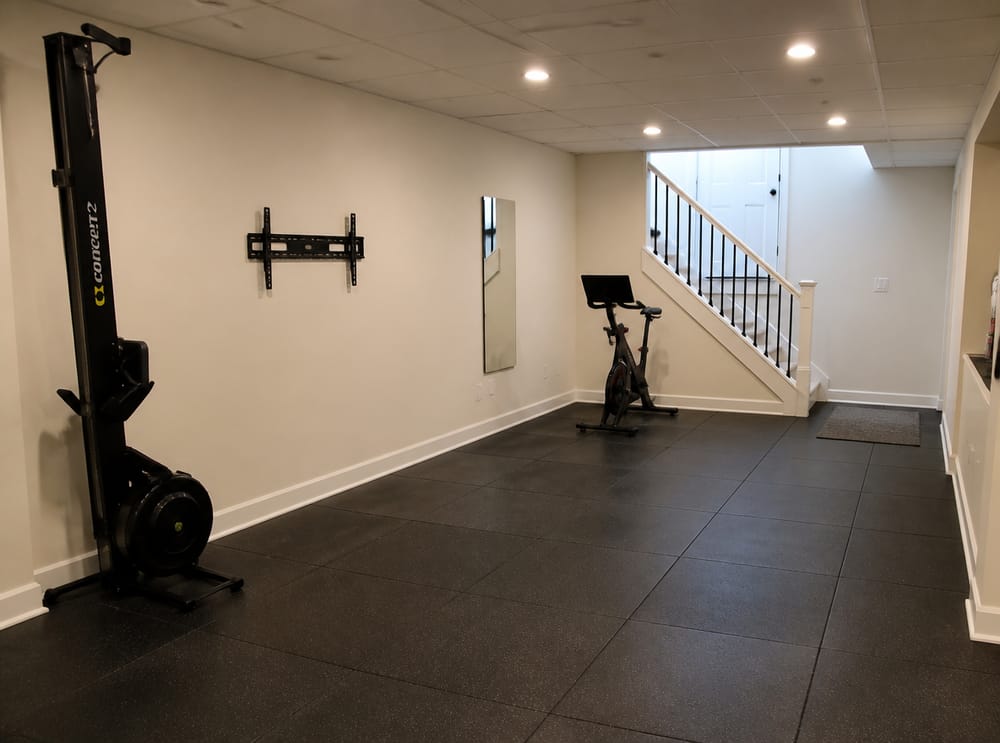
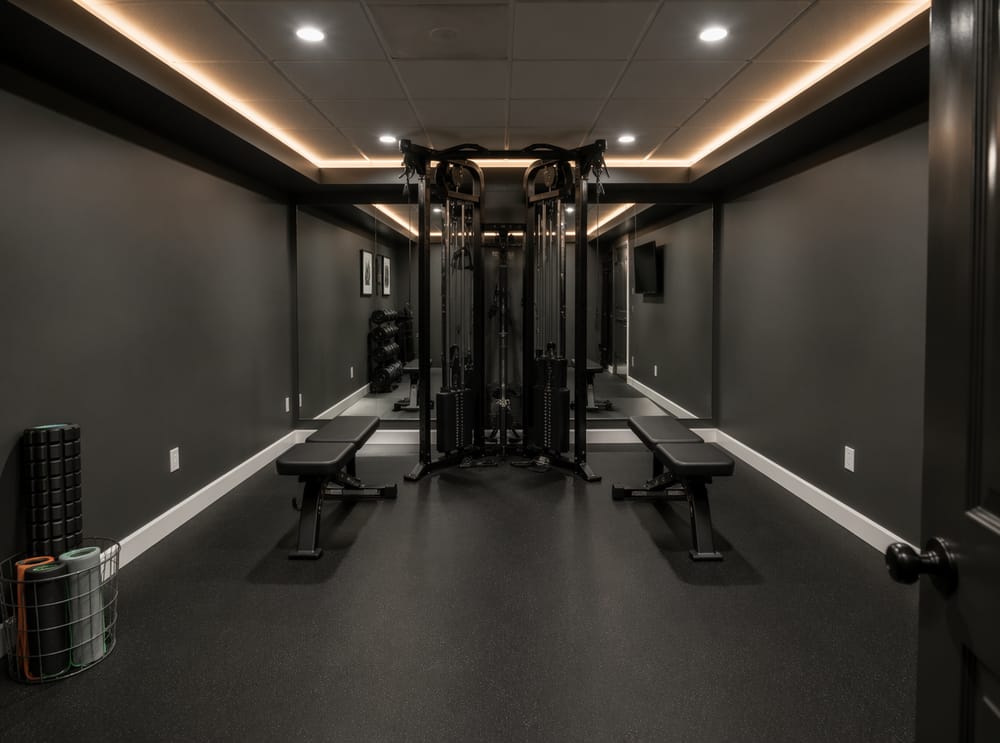
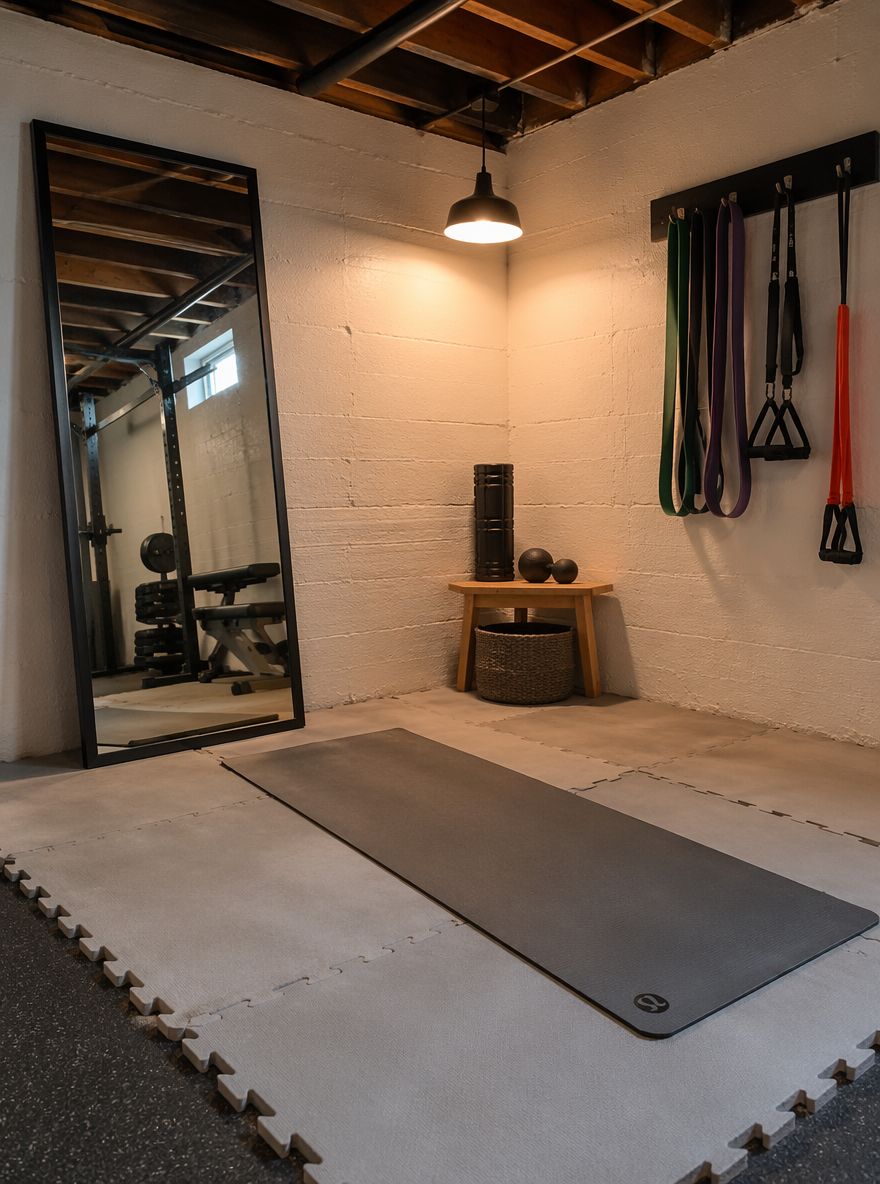
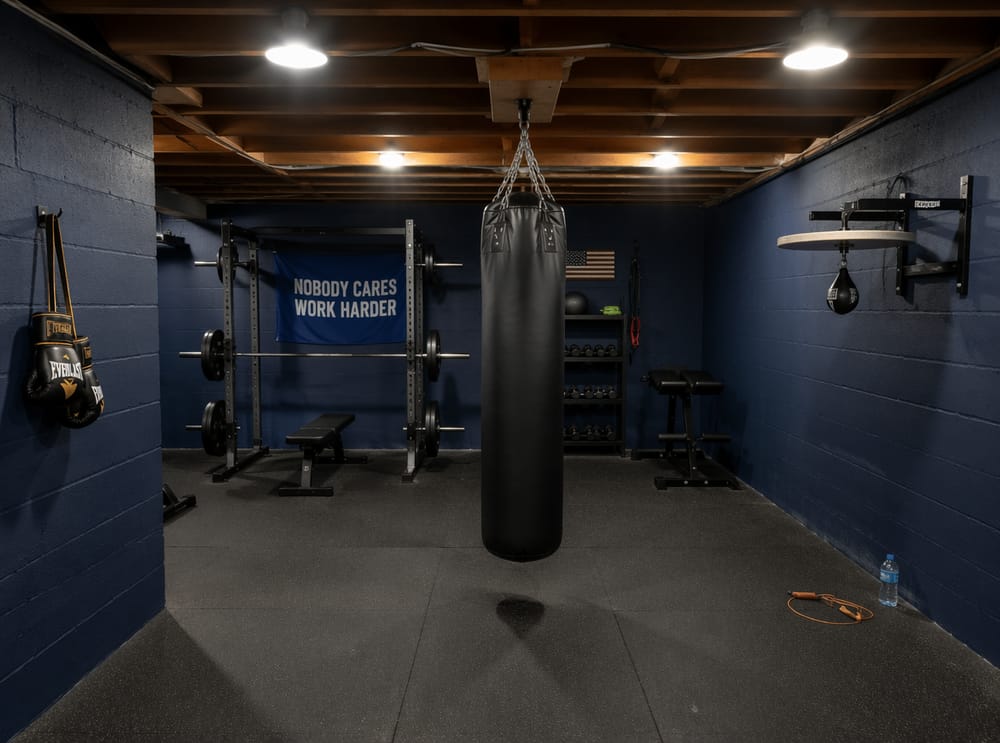
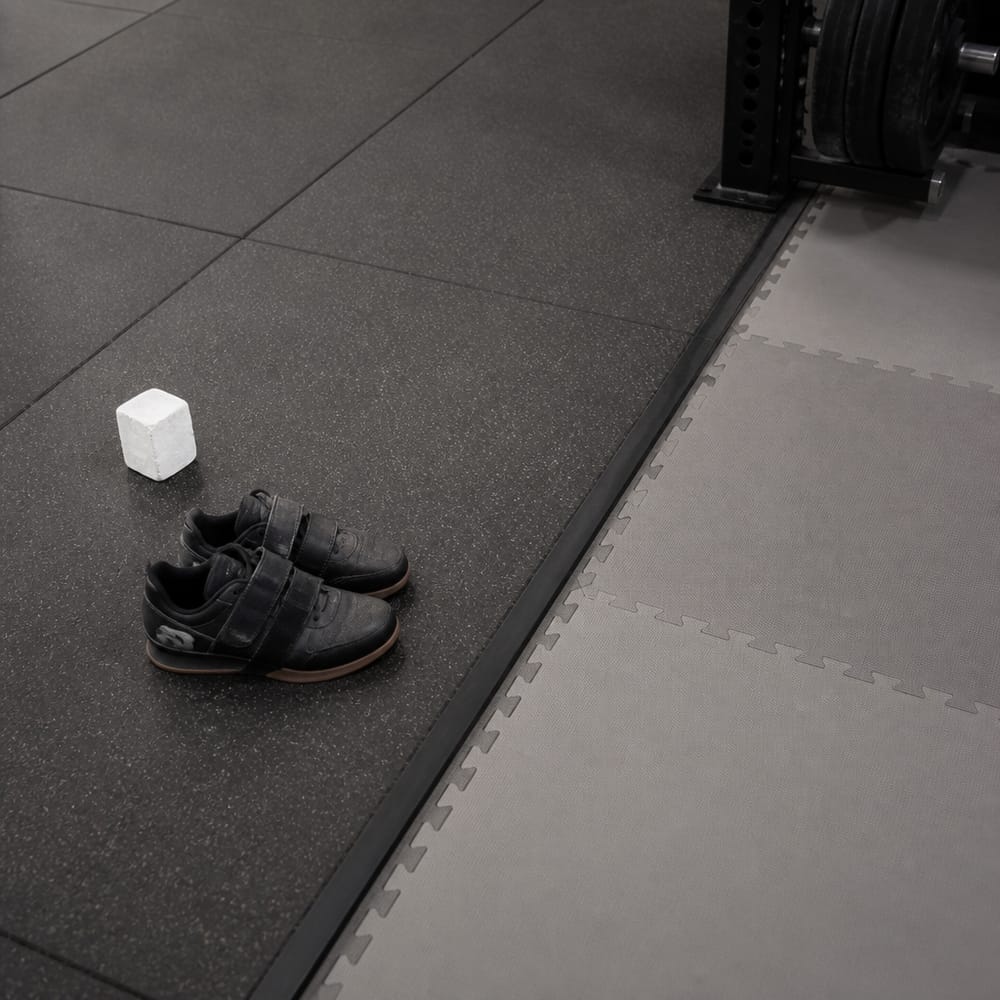
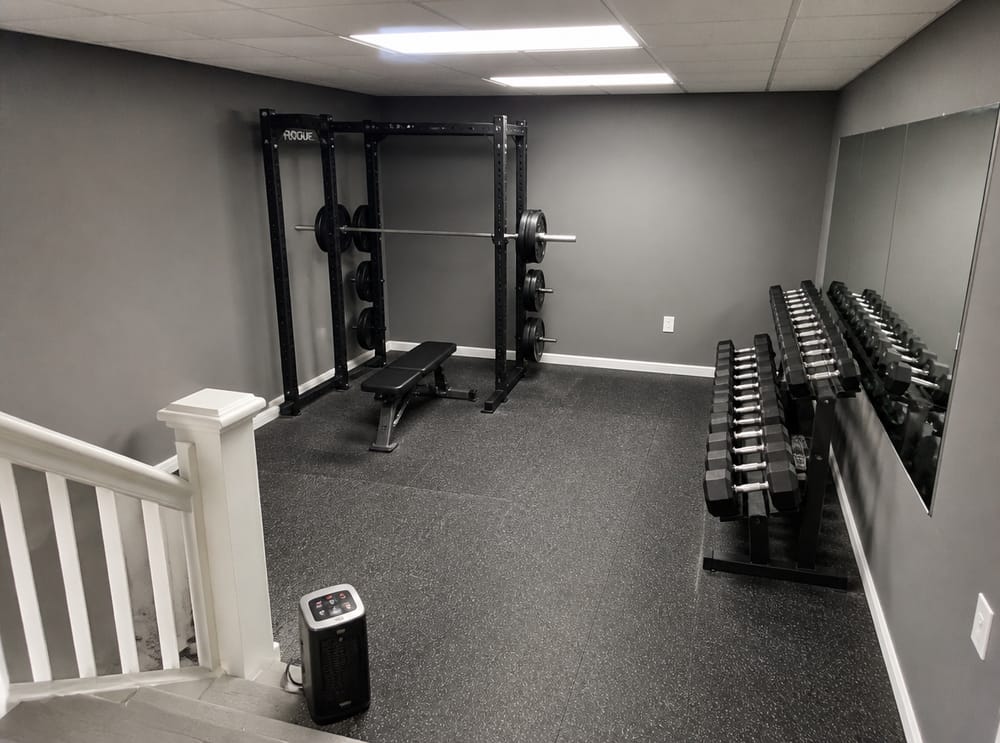
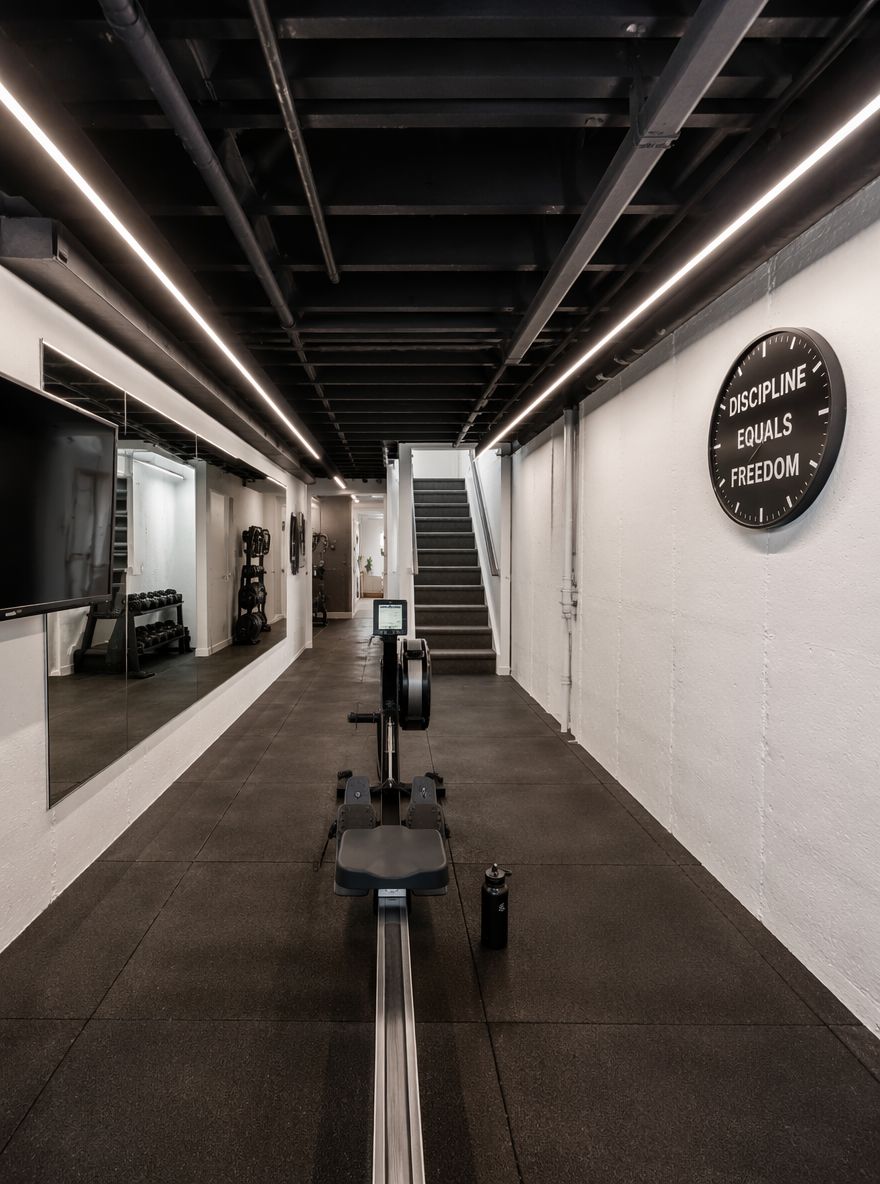
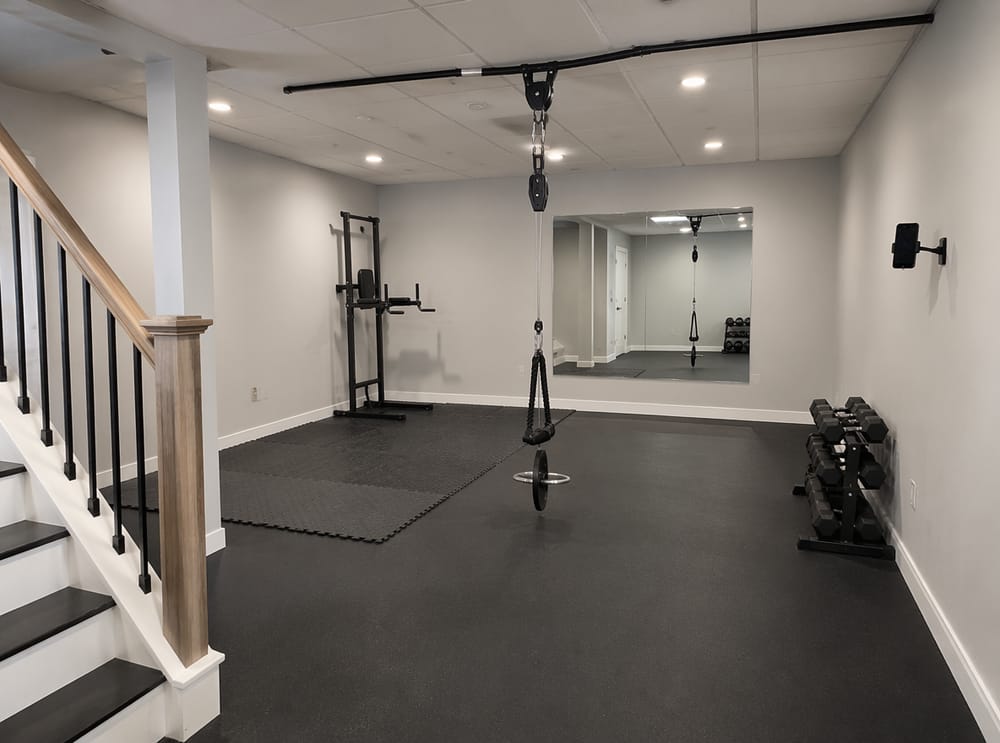
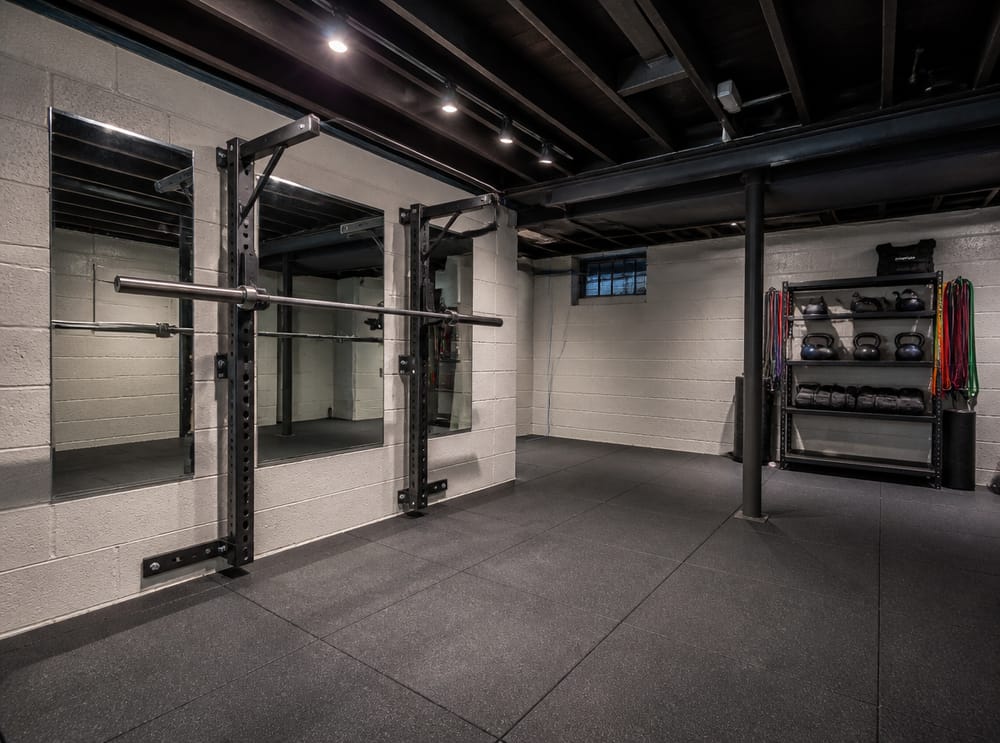
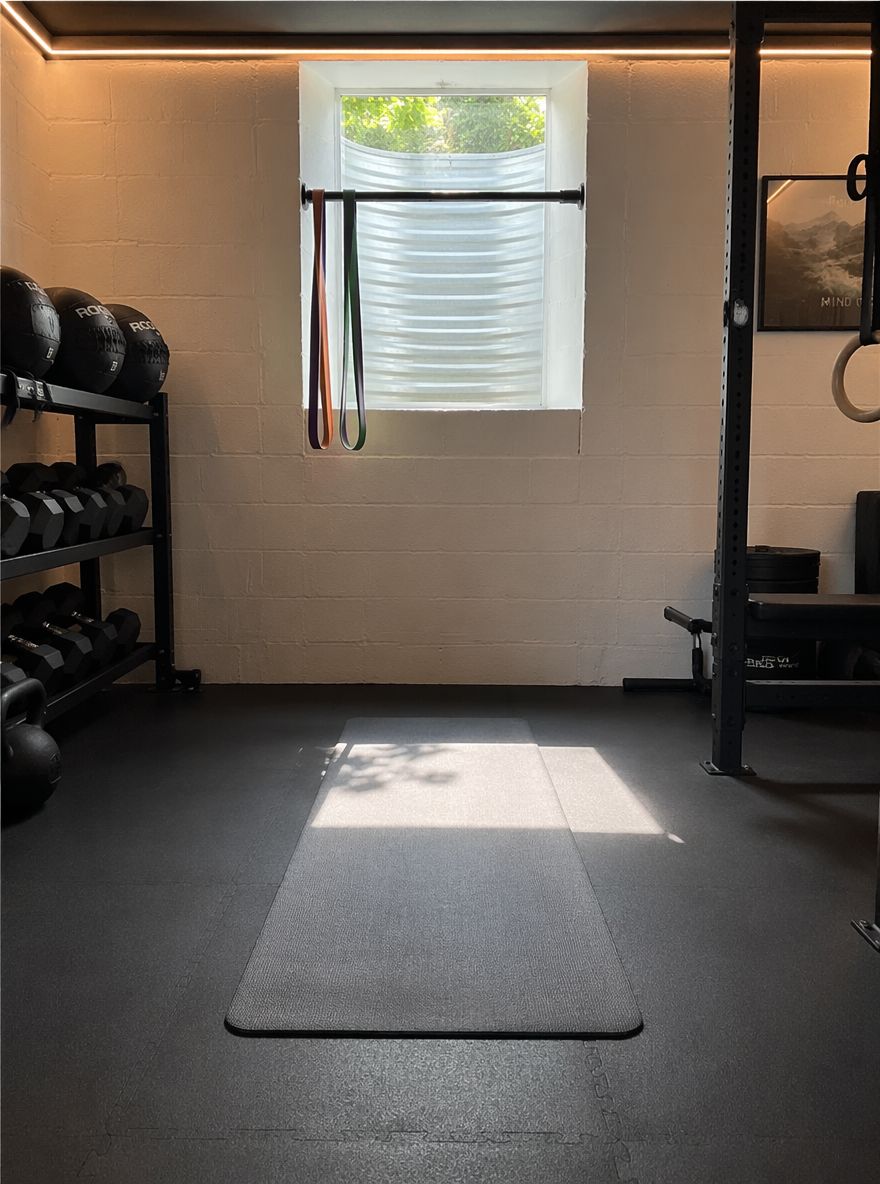
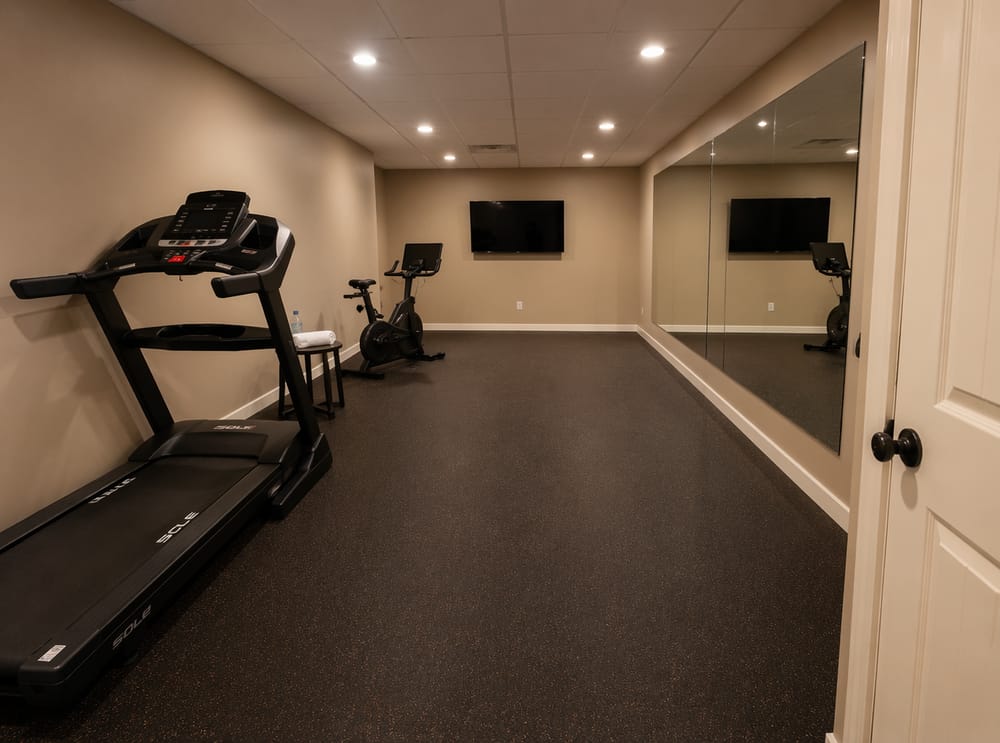
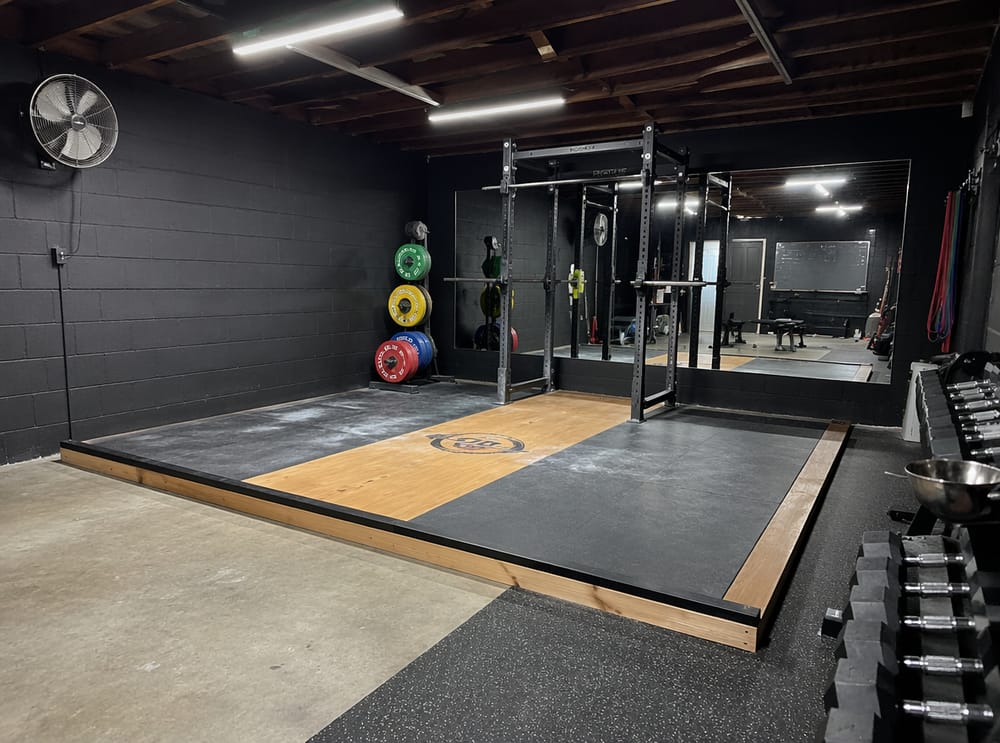
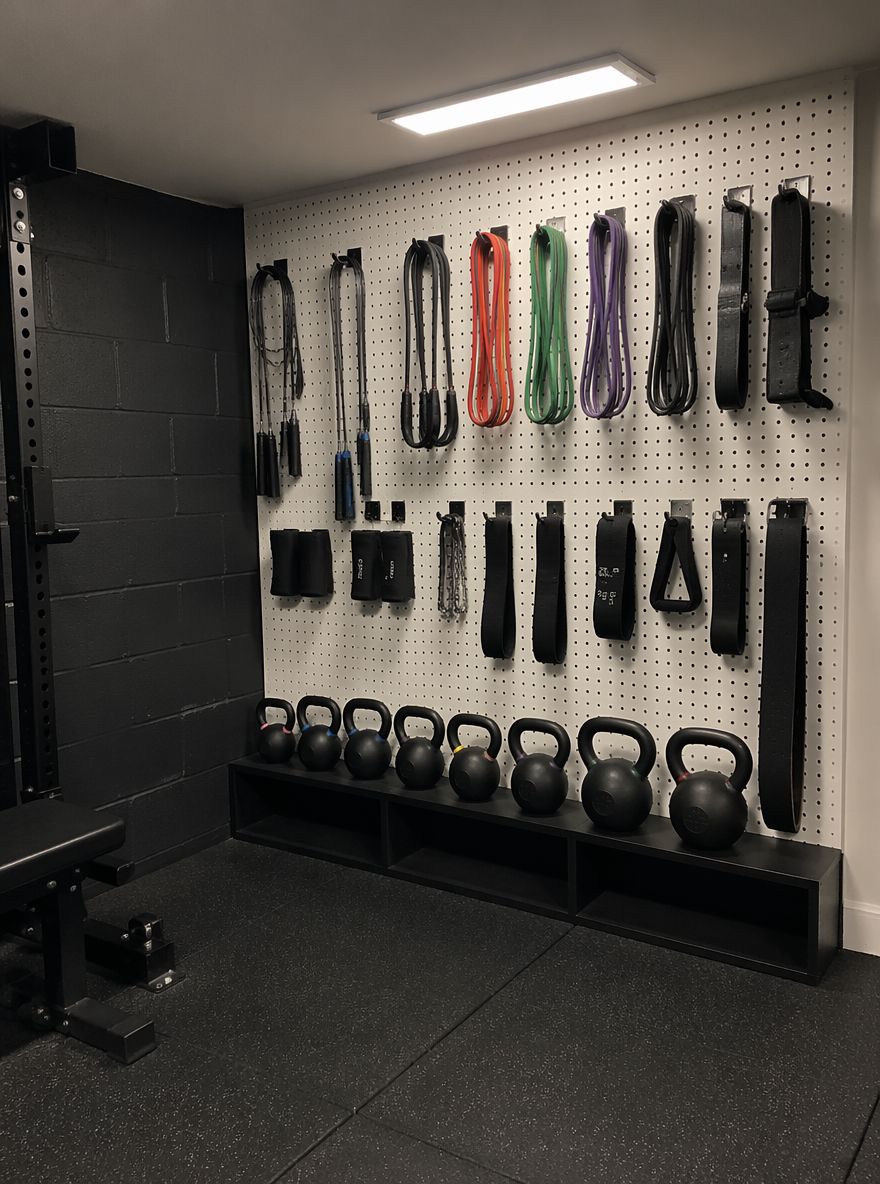
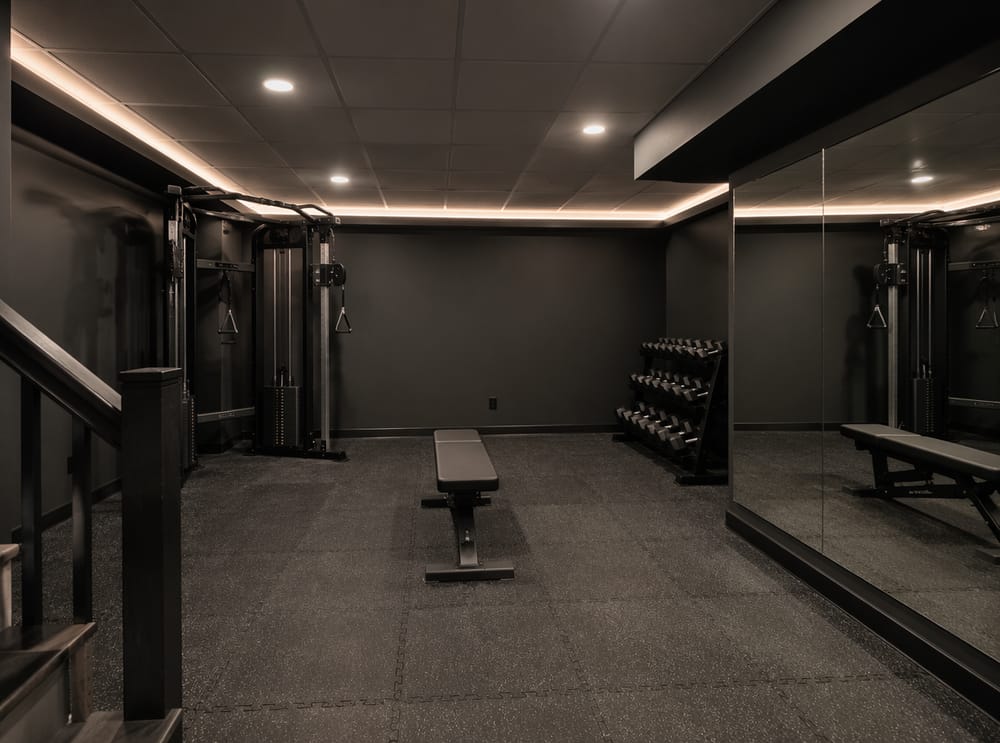
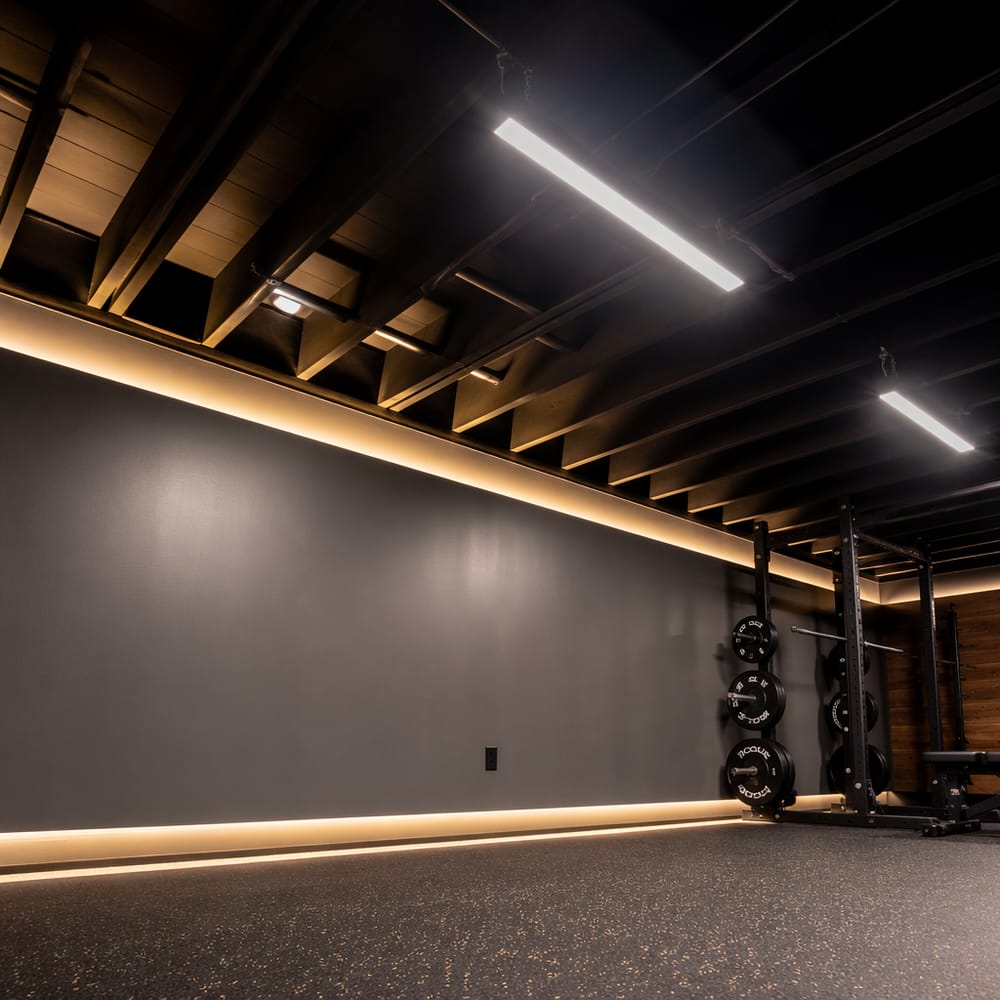
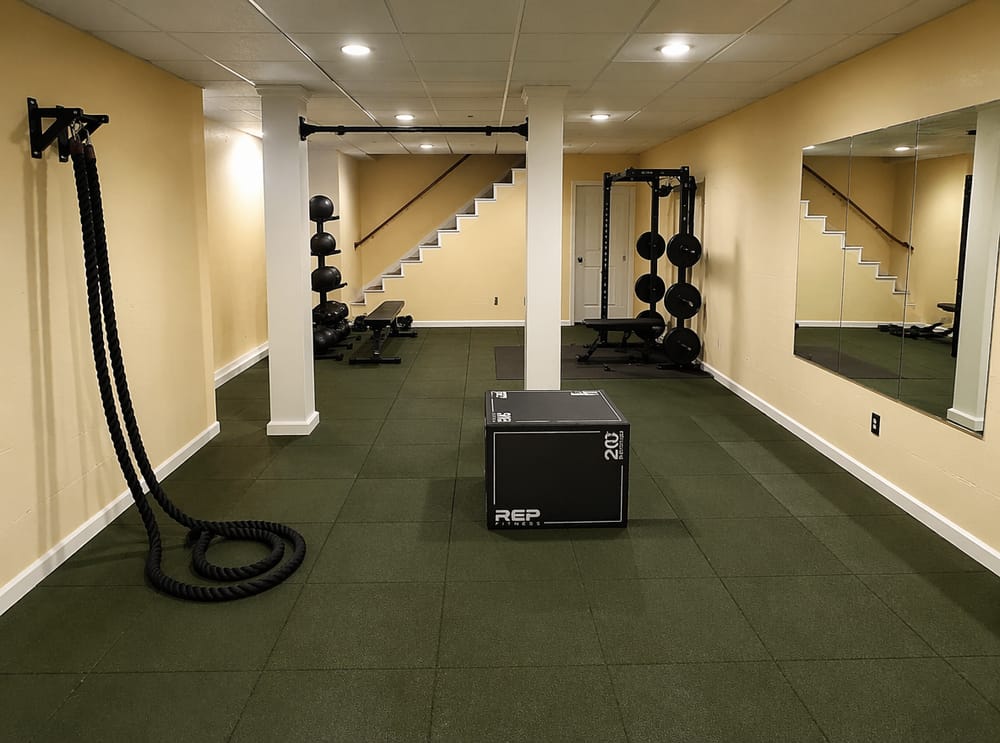
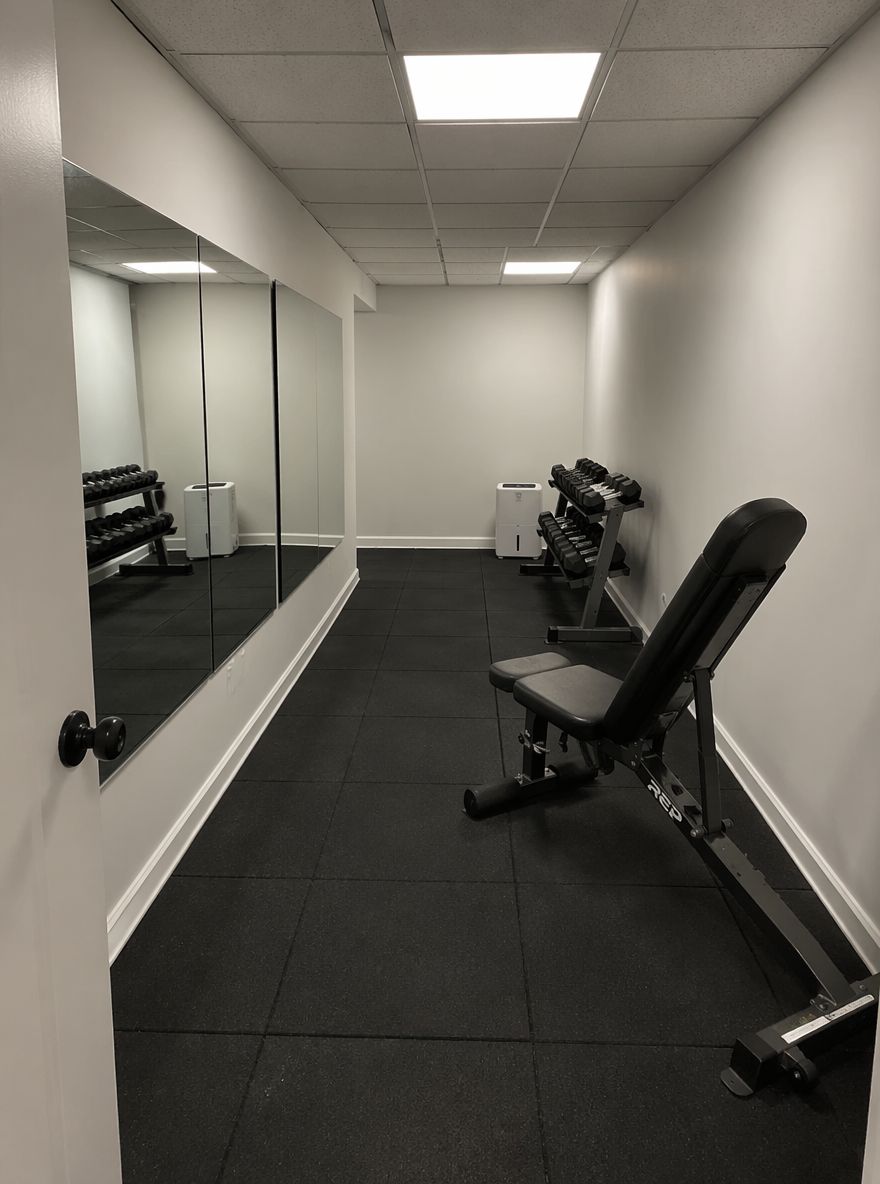
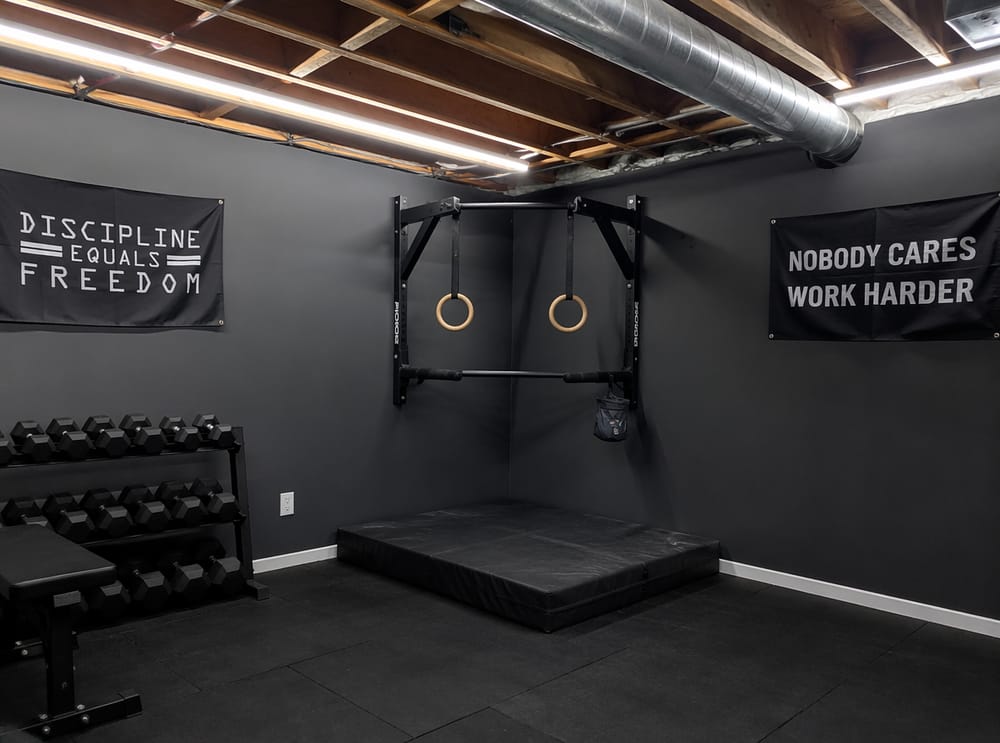
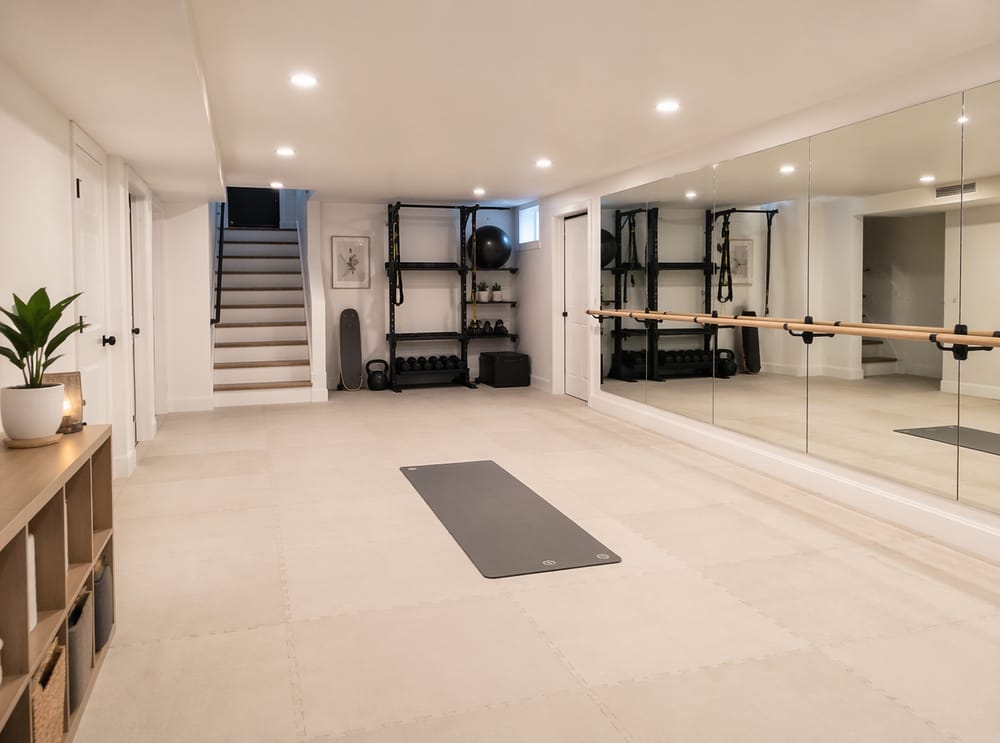
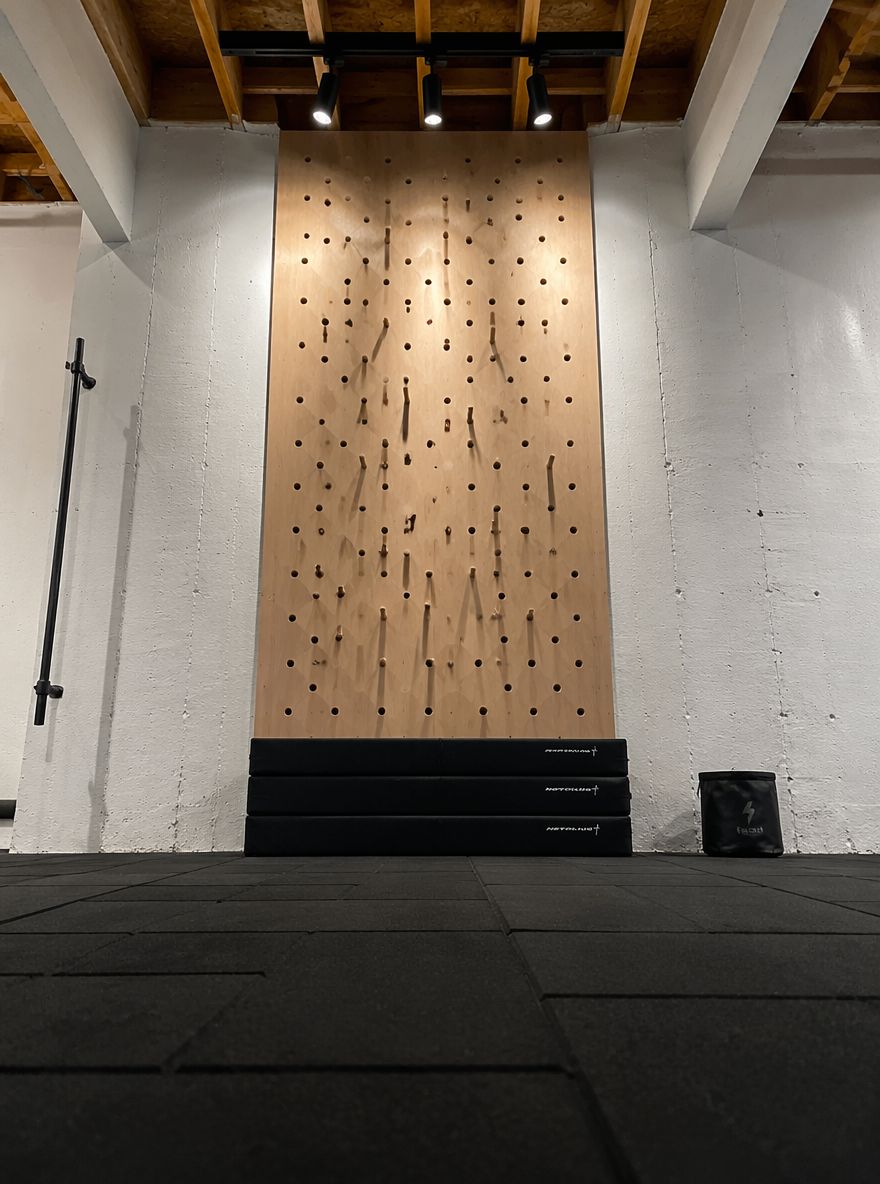
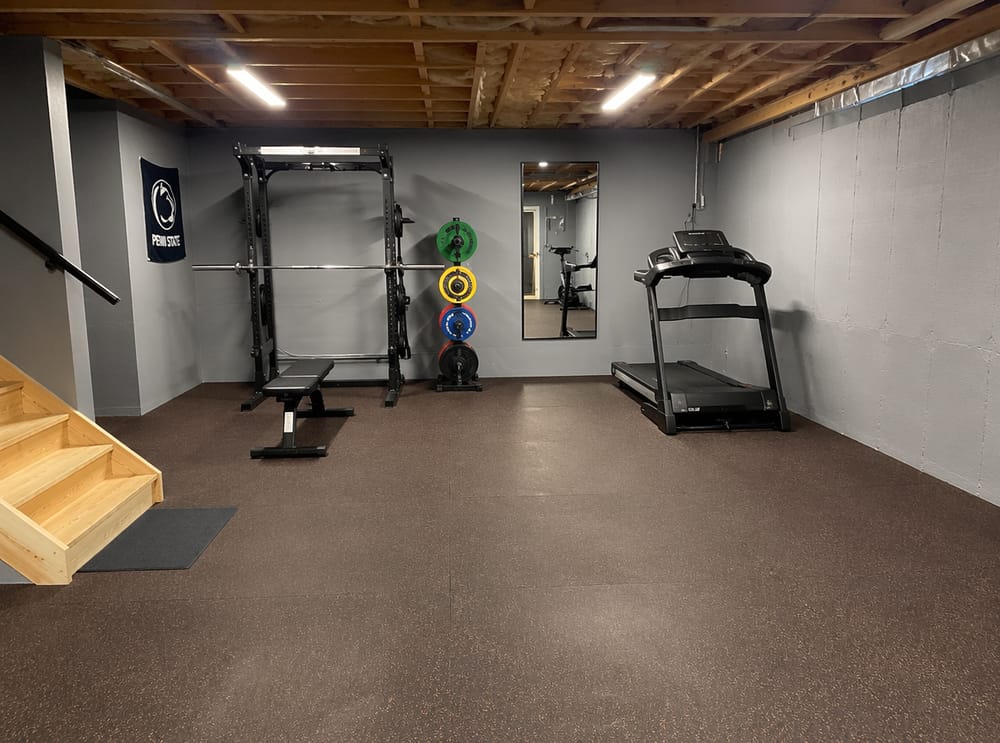
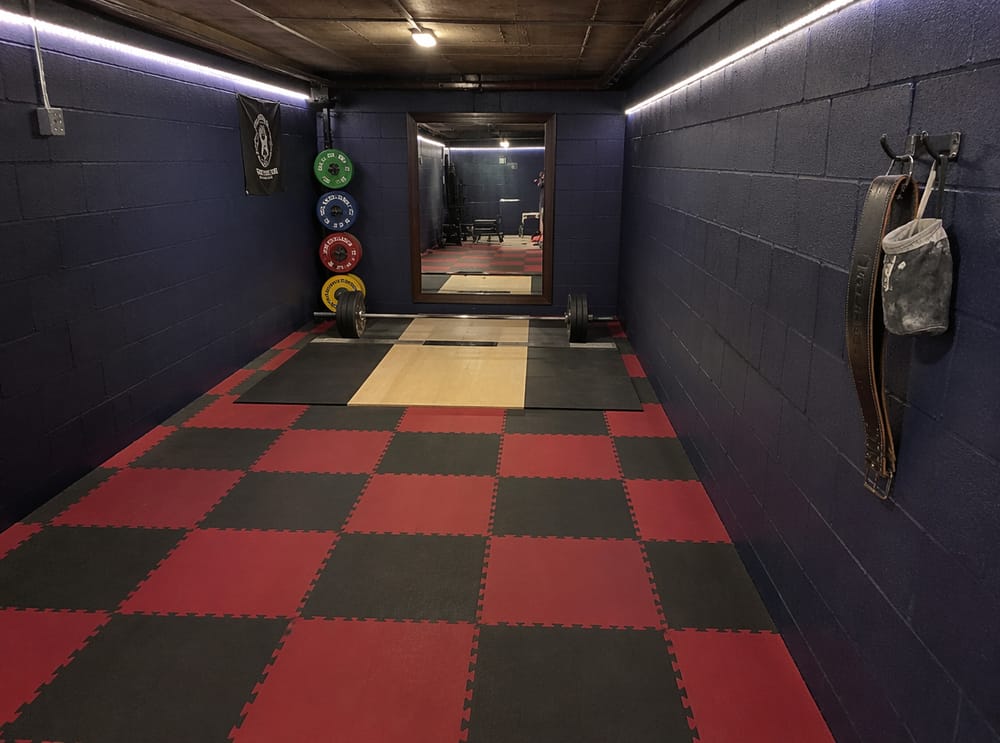
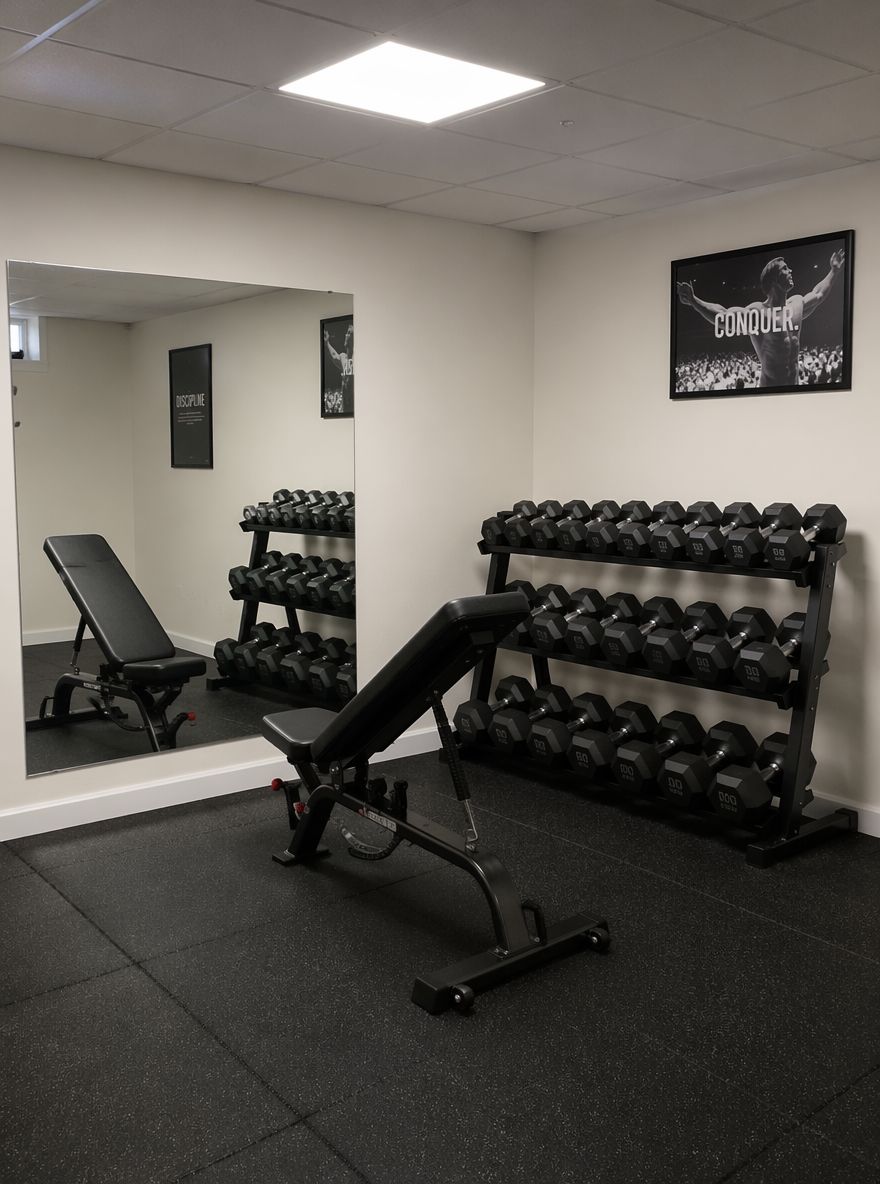
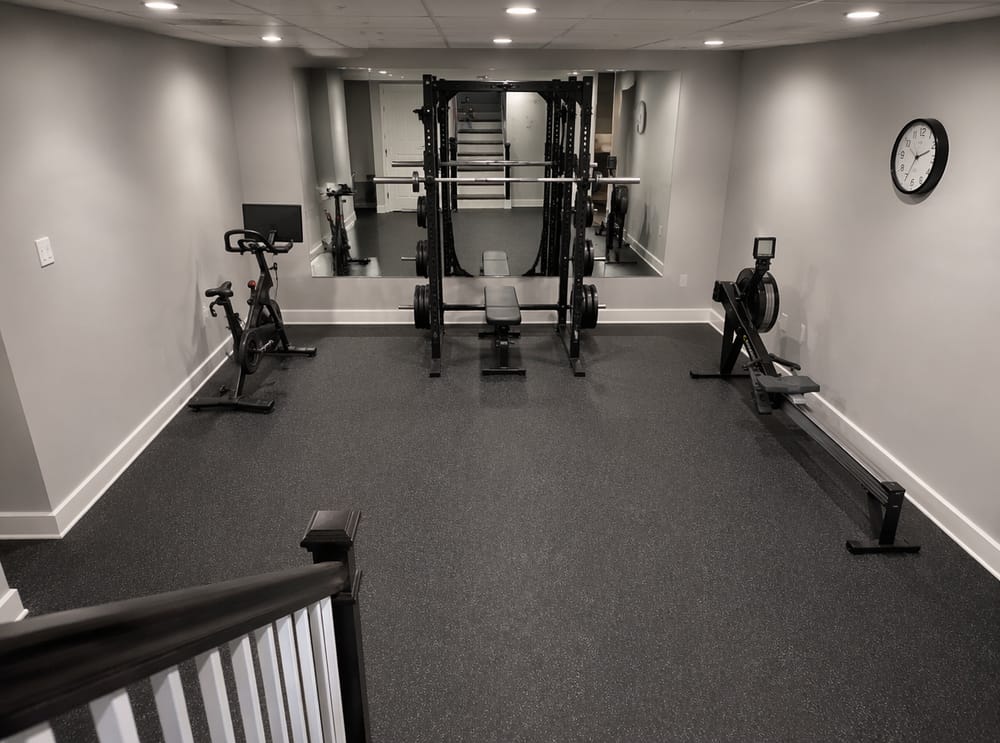
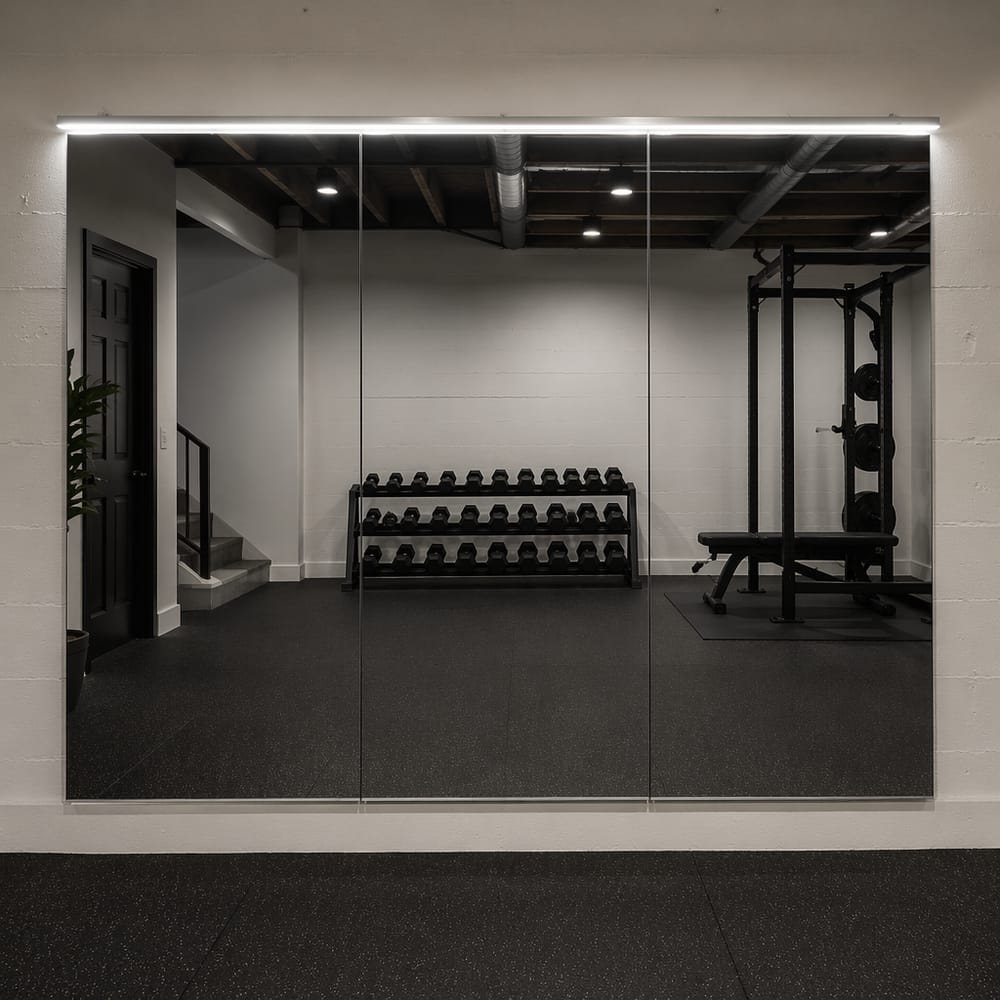
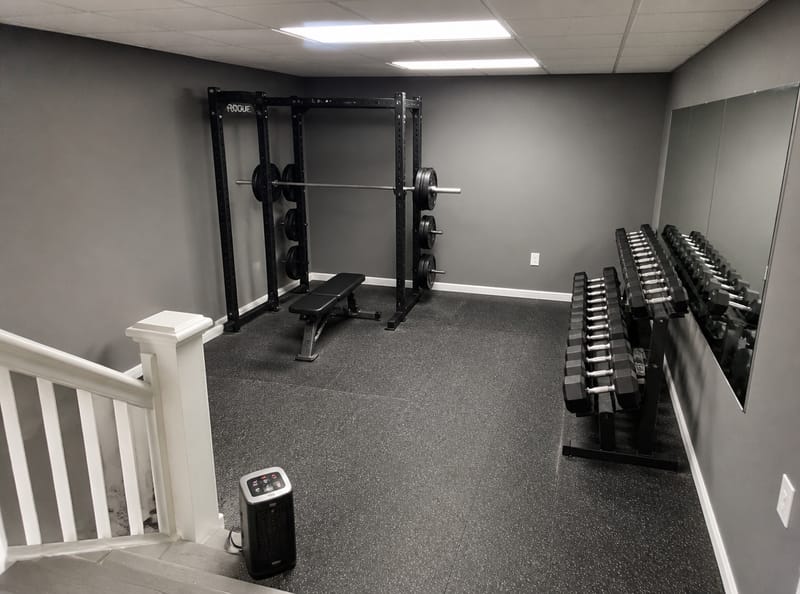
Siłownia w piwnicy sprawdza się najlepiej, gdy jest zaprojektowana pod Twój styl treningu — a nie tylko tam, gdzie odkładasz sprzęt. Te pomysły dotyczą najważniejszych praktycznych decyzji: podłogi, która chroni podłoże i tłumi hałas, oświetlenia zapobiegającego efektowi „jaskini”, oraz układu sprzętu, który pozwala się swobodnie poruszać, zamiast zamieniać każdy trening w tor przeszkód.
Jak urządzić siłownię w piwnicy, z której faktycznie będziesz korzystać
- Najpierw połóż gumową podłogę — chroni beton, tłumi odgłosy uderzeń i wyraźnie wyznacza strefę treningu, dzięki czemu przestrzeń wygląda na zaplanowaną, a nie przypadkową.
- Najcięższy sprzęt ustaw przy ścianie nośnej, a środek pomieszczenia pozostaw wolny na ćwiczenia z masą ciała, rozciąganie czy cardio — zagracony środek szybko odbiera motywację.
- Zamień jarzeniówki na jasne, równomiernie rozmieszczone panele LED lub szyny świetlne skierowane na strefy ćwiczeń; ciemna, zacieniona piwnica to najczęstszy powód, dla którego domowe siłownie nie są używane.
- Zamontuj na jednej ścianie lustro na całą wysokość — pomoże kontrolować technikę, odbija światło i sprawia, że niska przestrzeń wydaje się wyższa, bez konieczności remontu.
- Zapewnij osobny obwód elektryczny, jeśli planujesz bieżnię, rowerek lub inny sprzęt z napędem; wspólne zasilanie z resztą piwnicy powoduje przeciążenia i skraca żywotność sprzętu.
FAQ
Twoje wnętrze odmienione w kilka sekund
Twoje wnętrze, nowy wygląd
Prześlij jedno zdjęcie — otrzymaj 4 propozycje aranżacji w mniej niż minutę. Dostępna wersja próbna.
- 1 zdjęcie, 4 warianty
- ~45 sekund na podgląd
- Darmowe wypróbowanie