30+ curated
Garden Fencing Ideas That Work as Hard as They Look
From boundary markers to living screens, fencing choices that balance privacy, structure, and planting opportunities.
Updated
AI preview in 45s
From any room photo
Free to try · Preview styles in seconds
Gallery
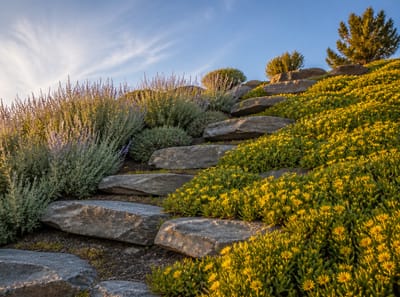
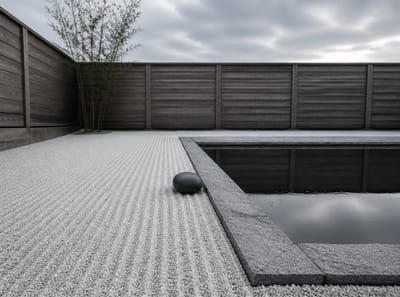
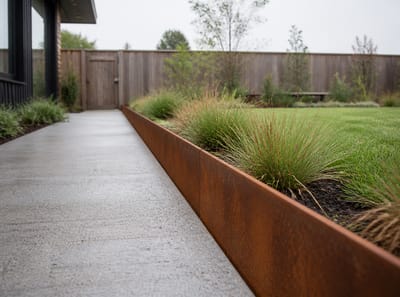
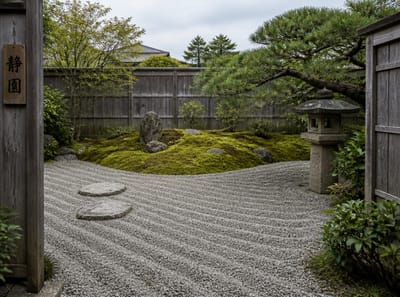
Garden Fencing Ideas gallery
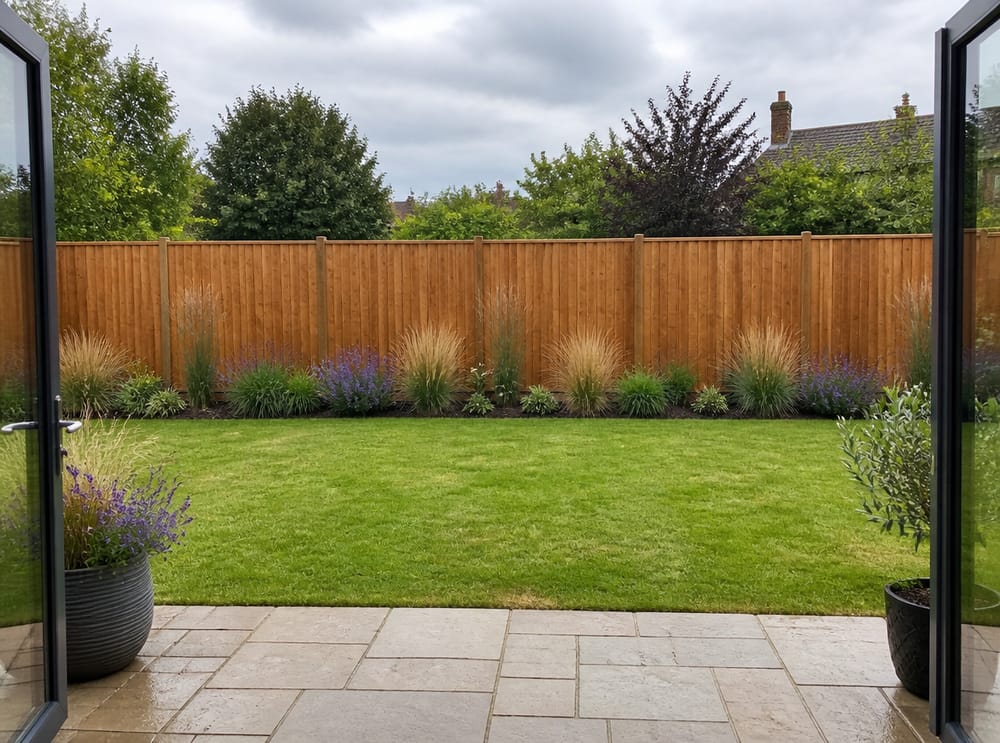
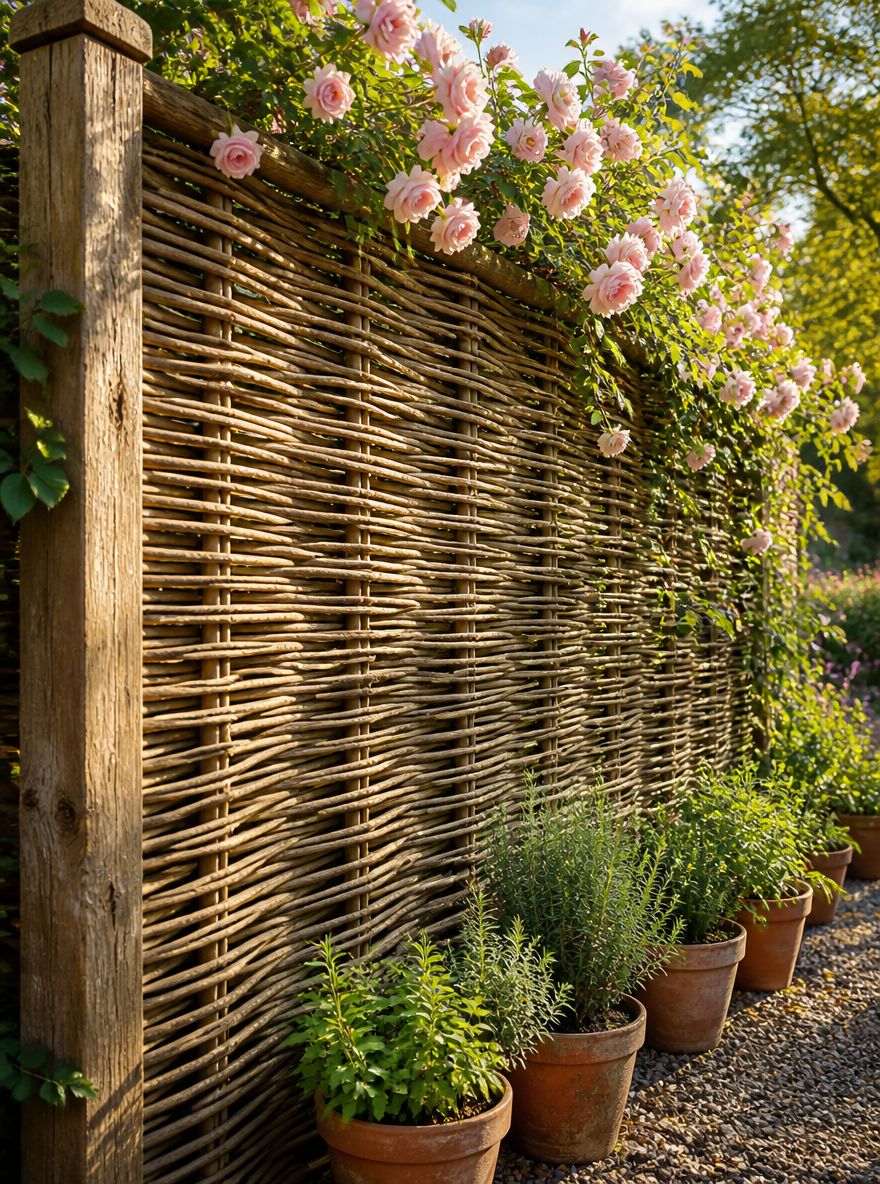
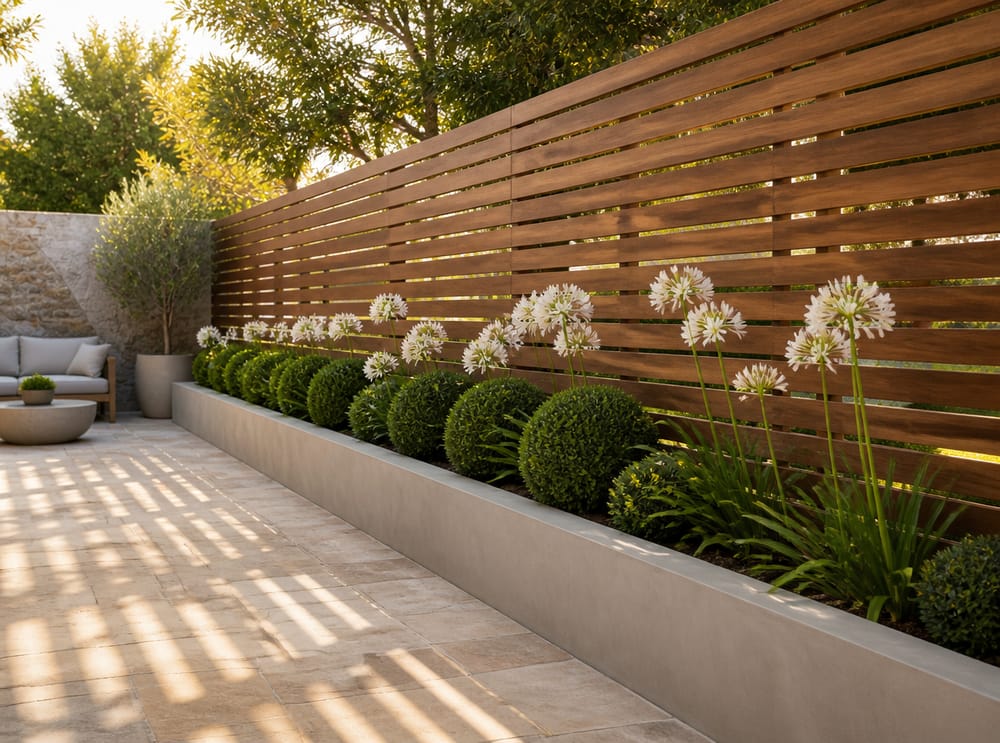

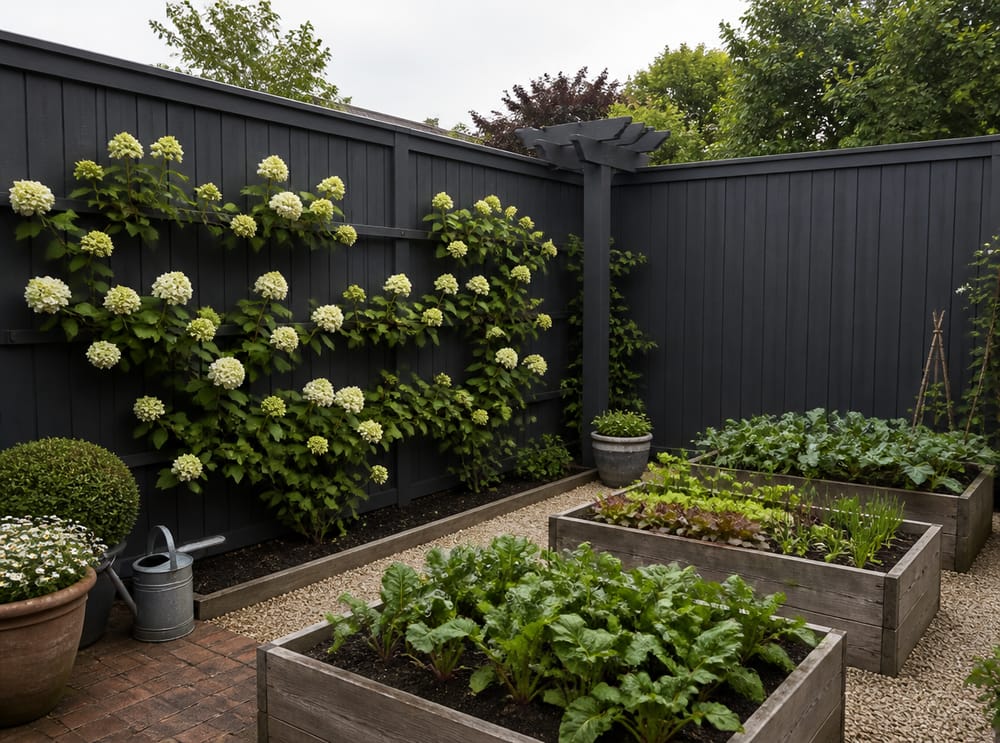
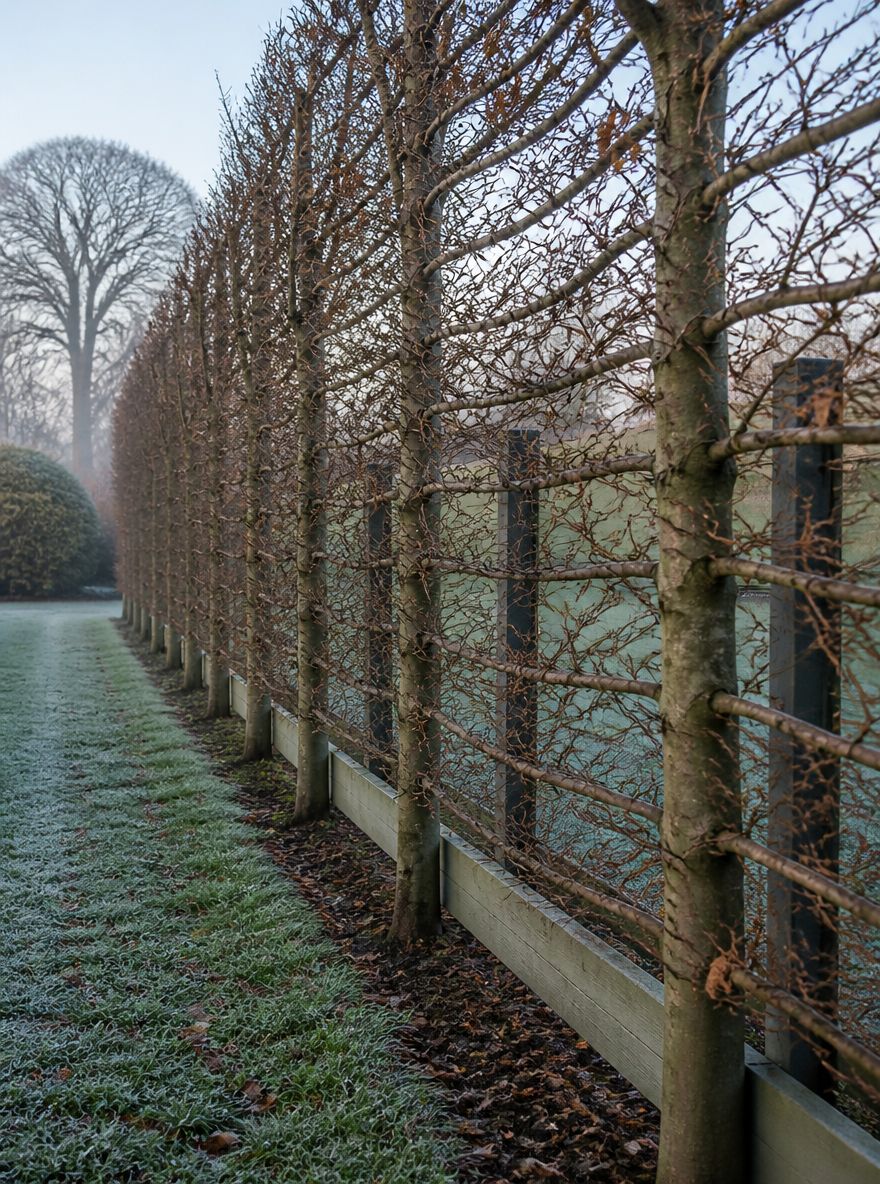
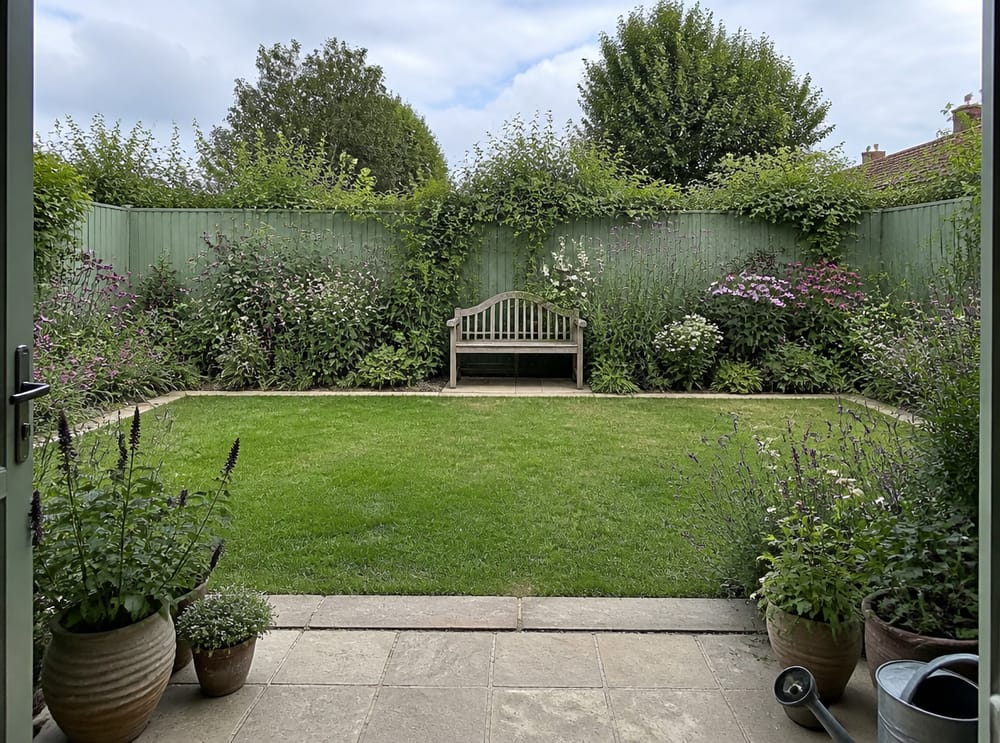
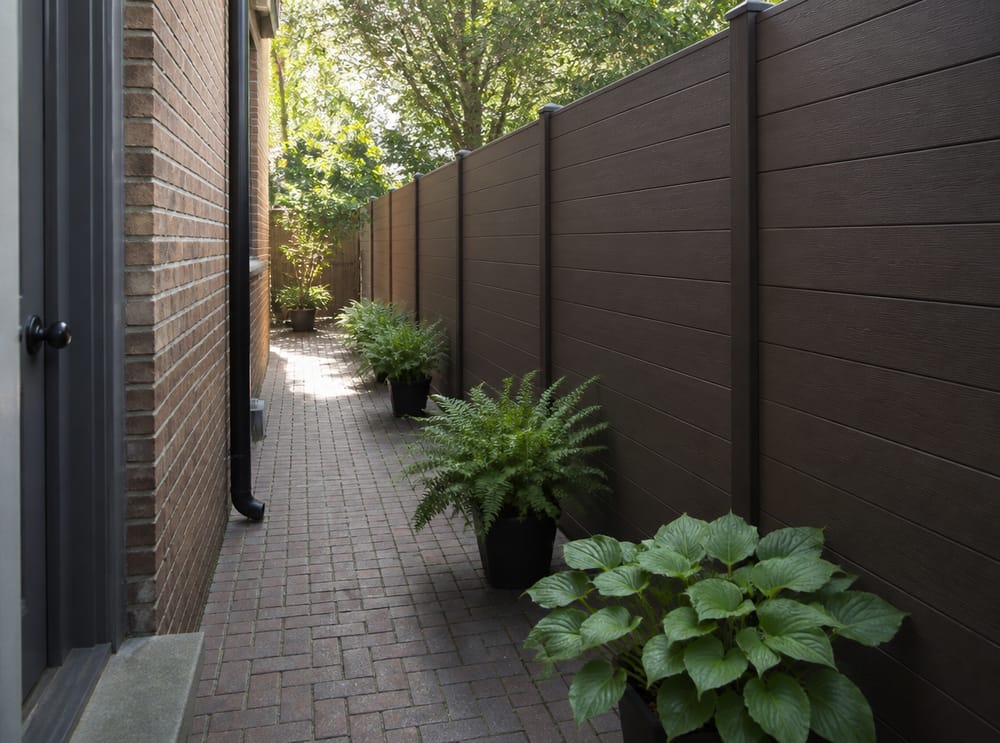
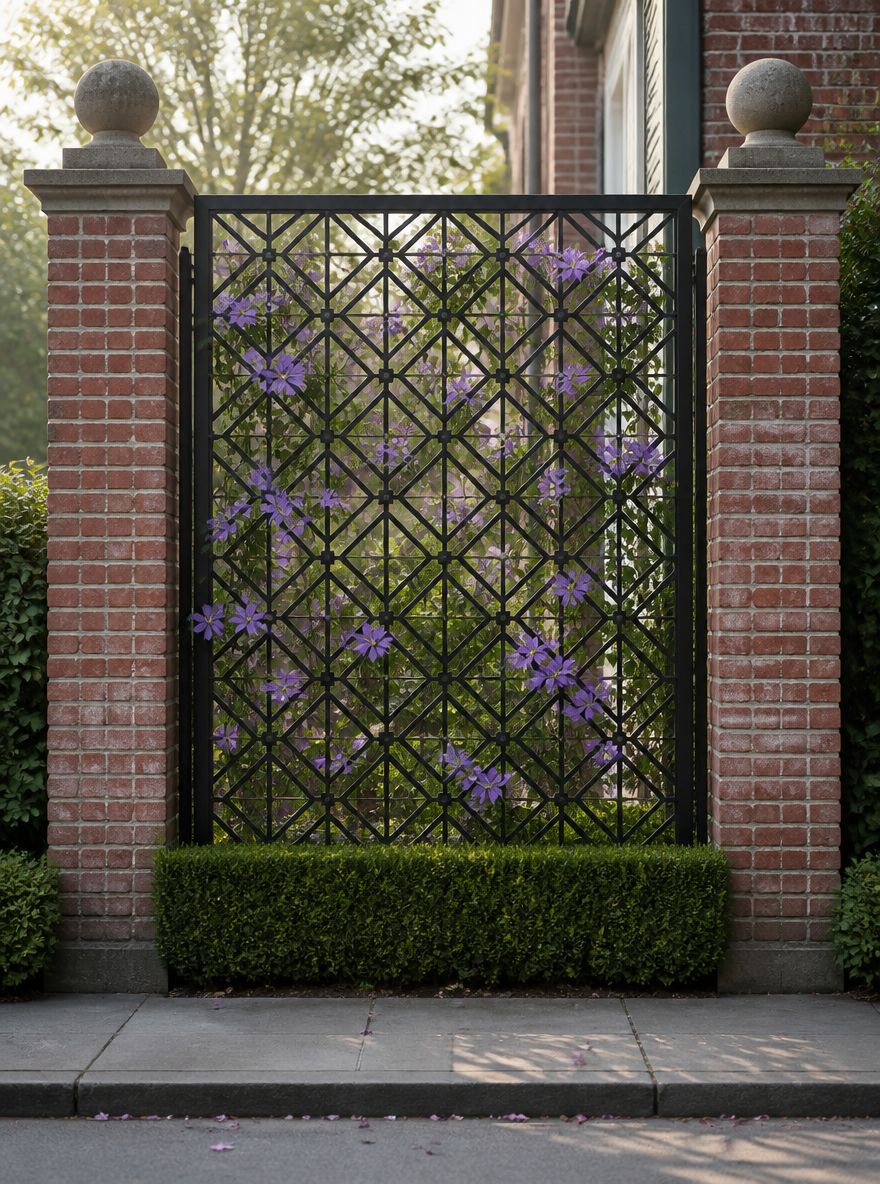
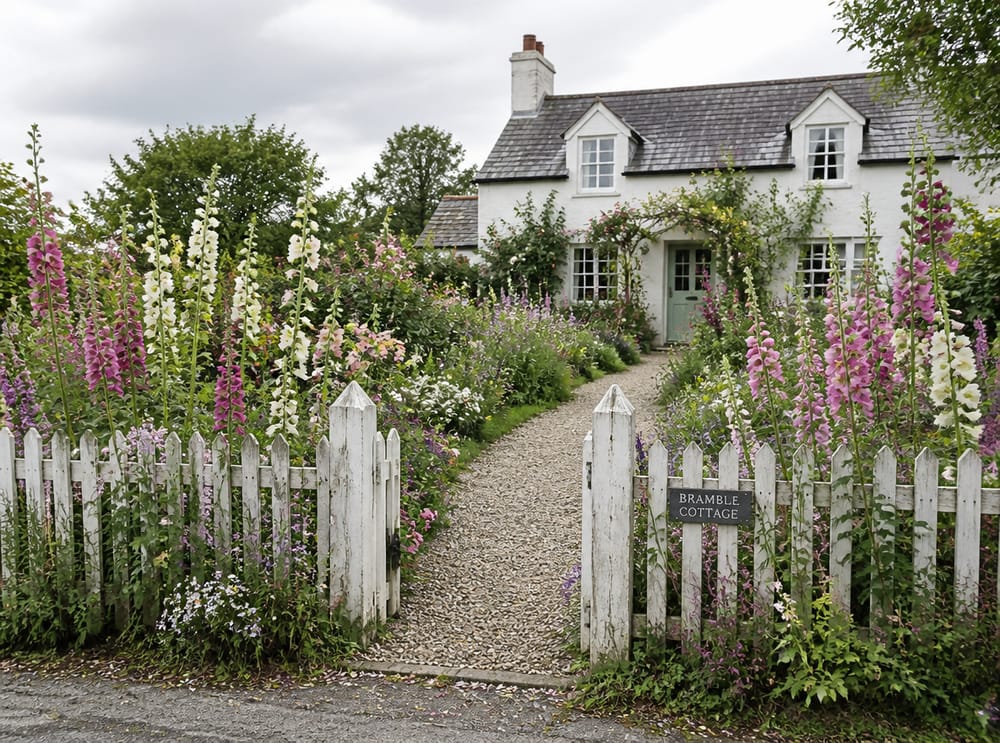
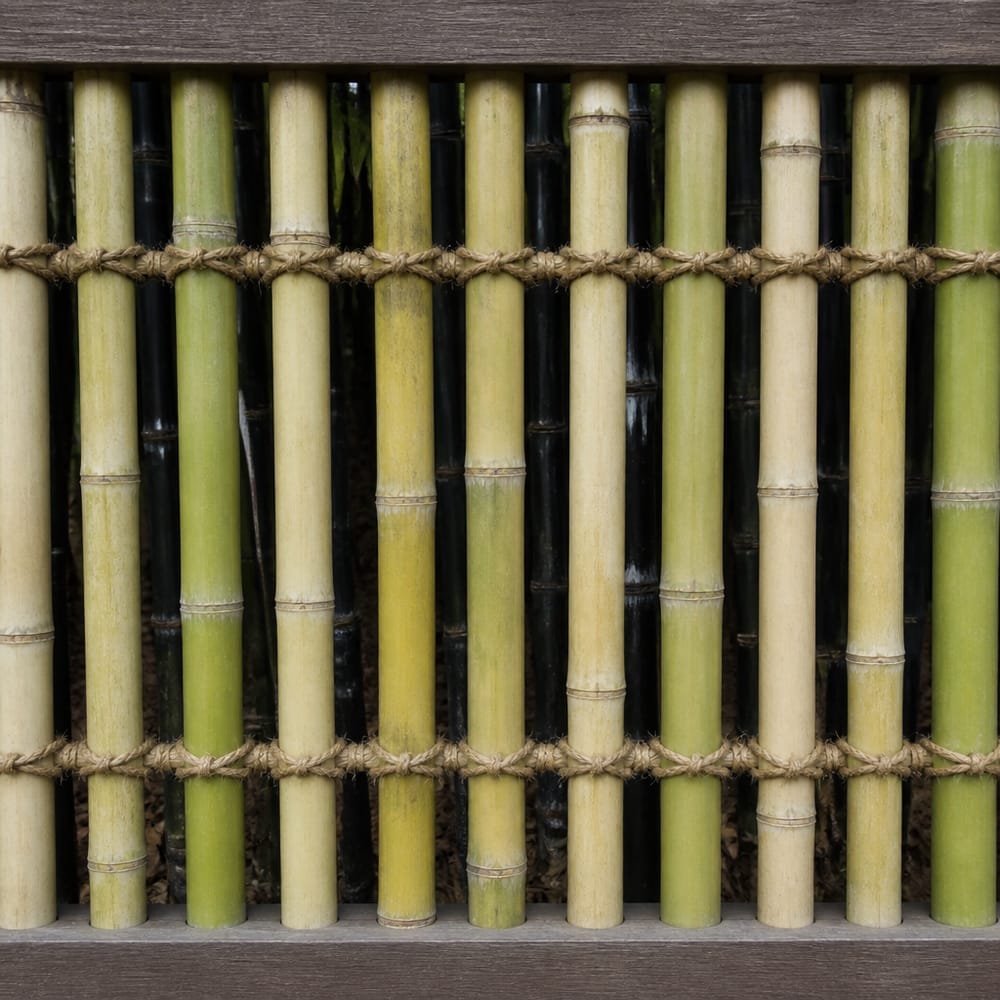
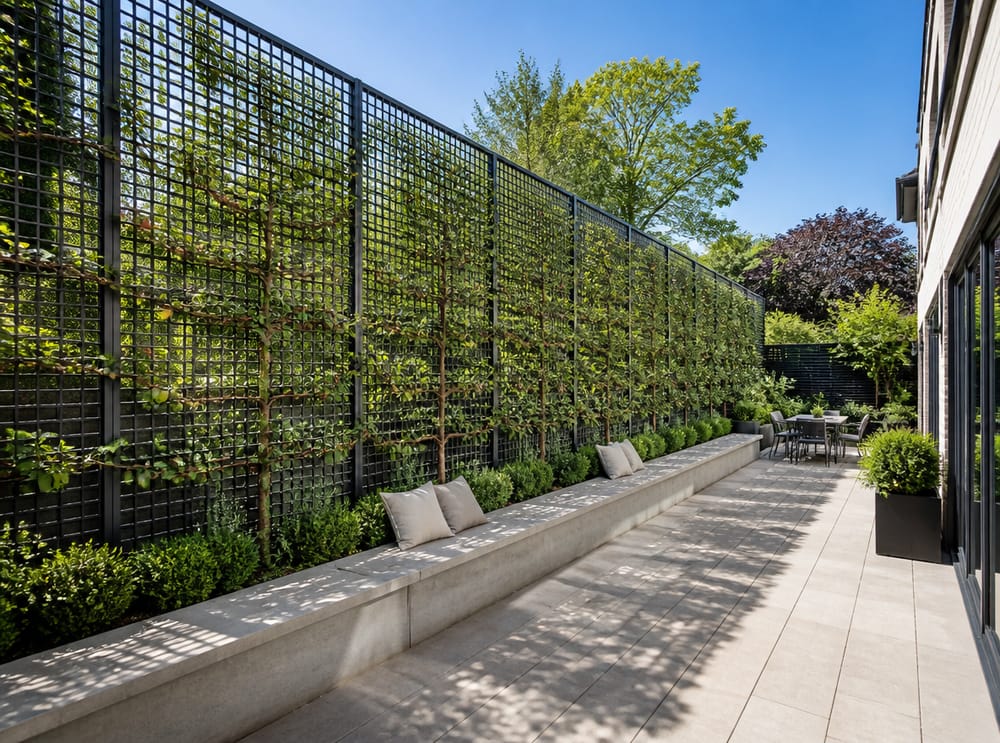
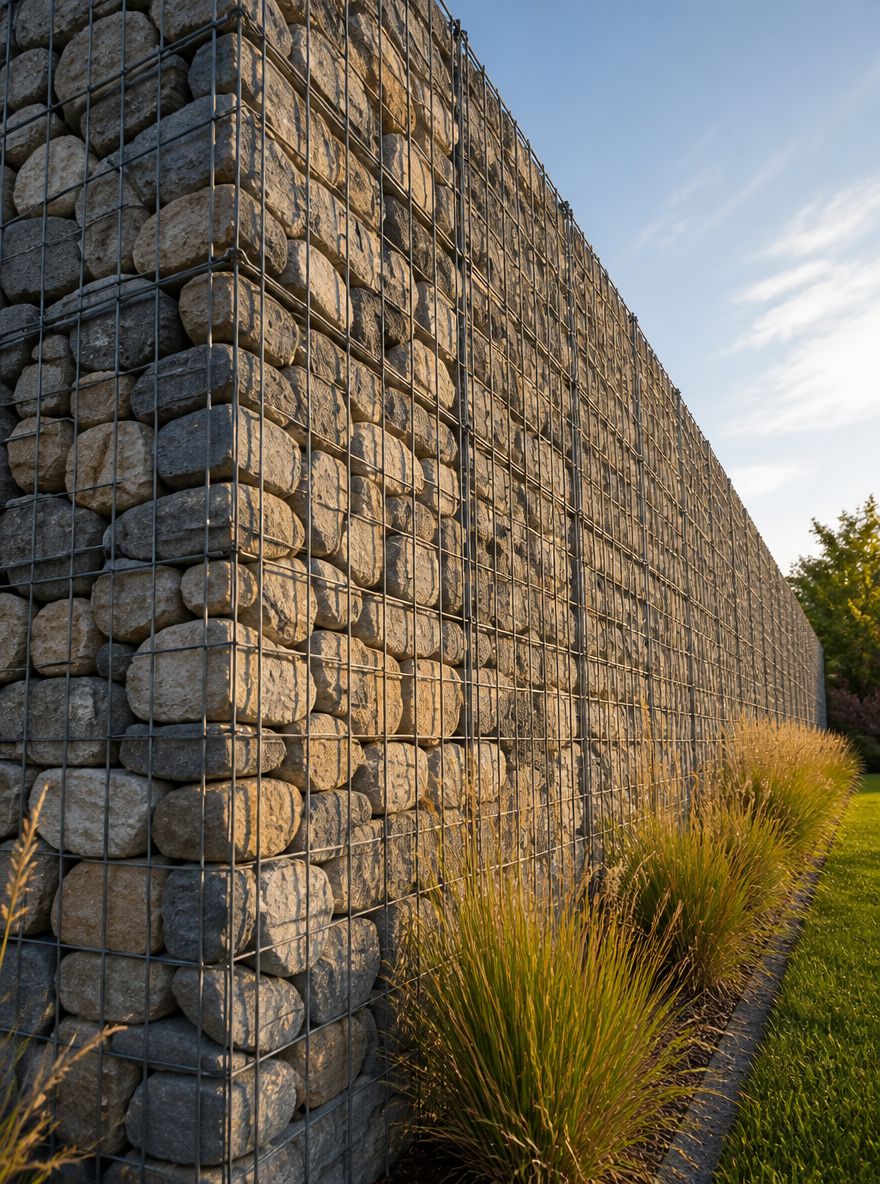
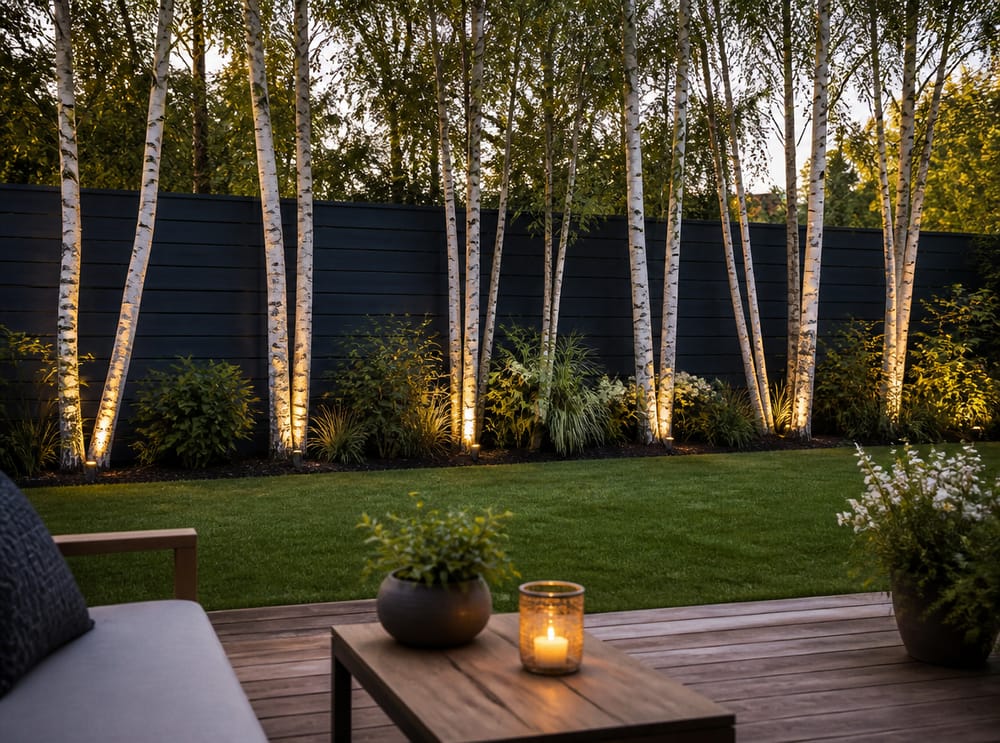
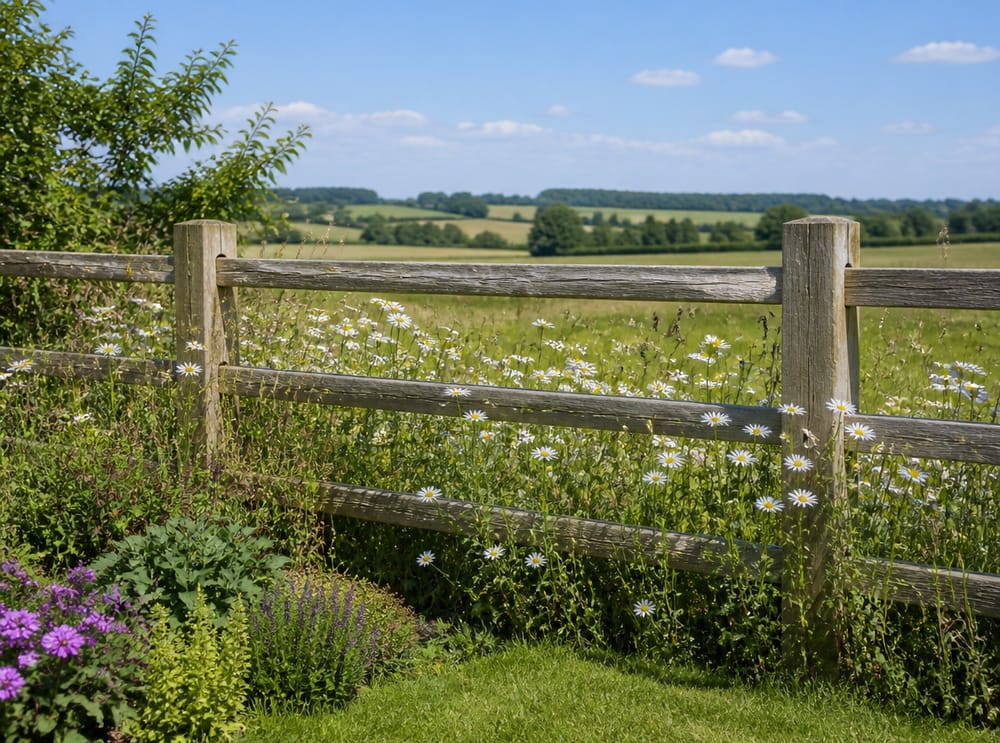
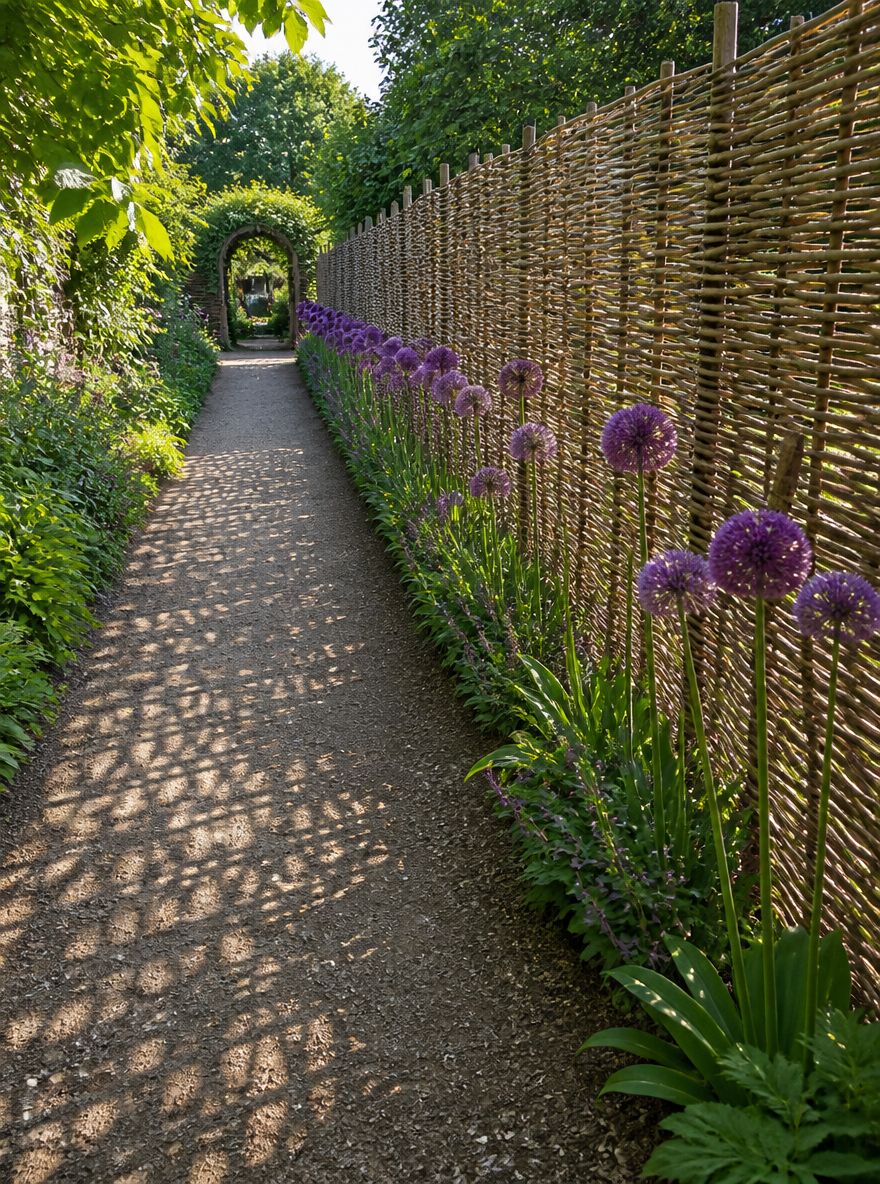
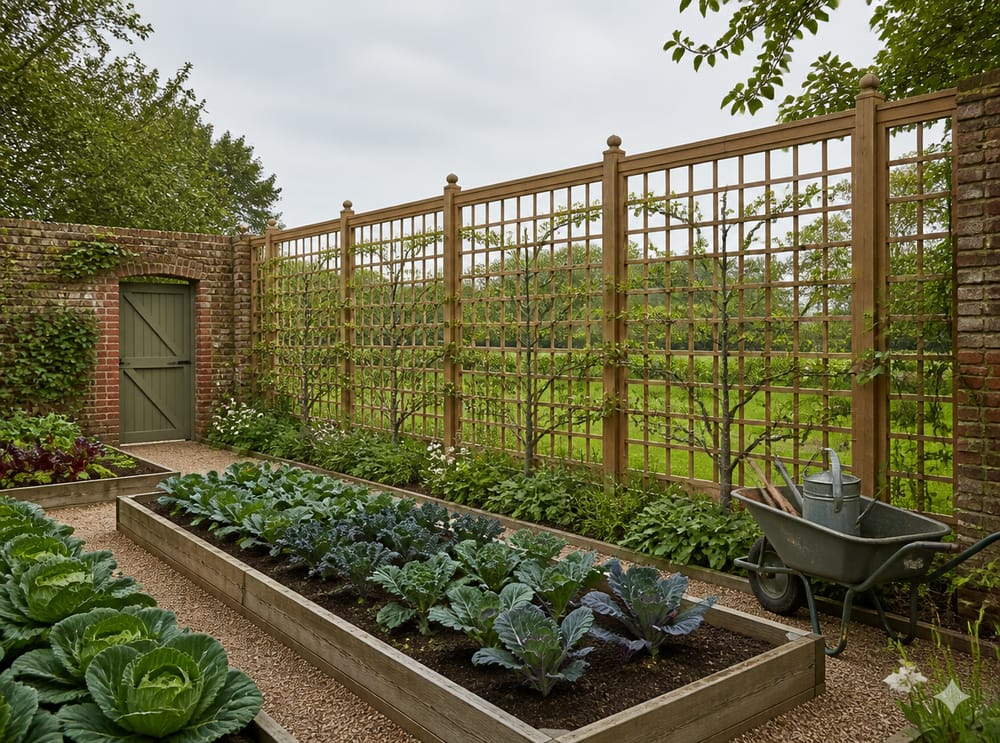
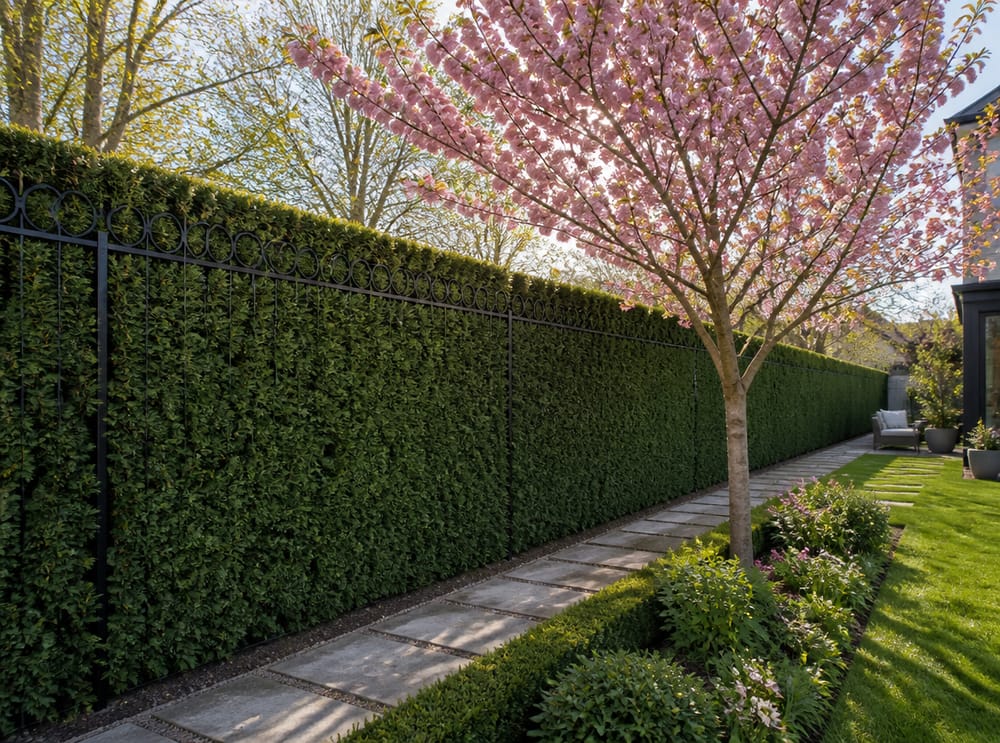
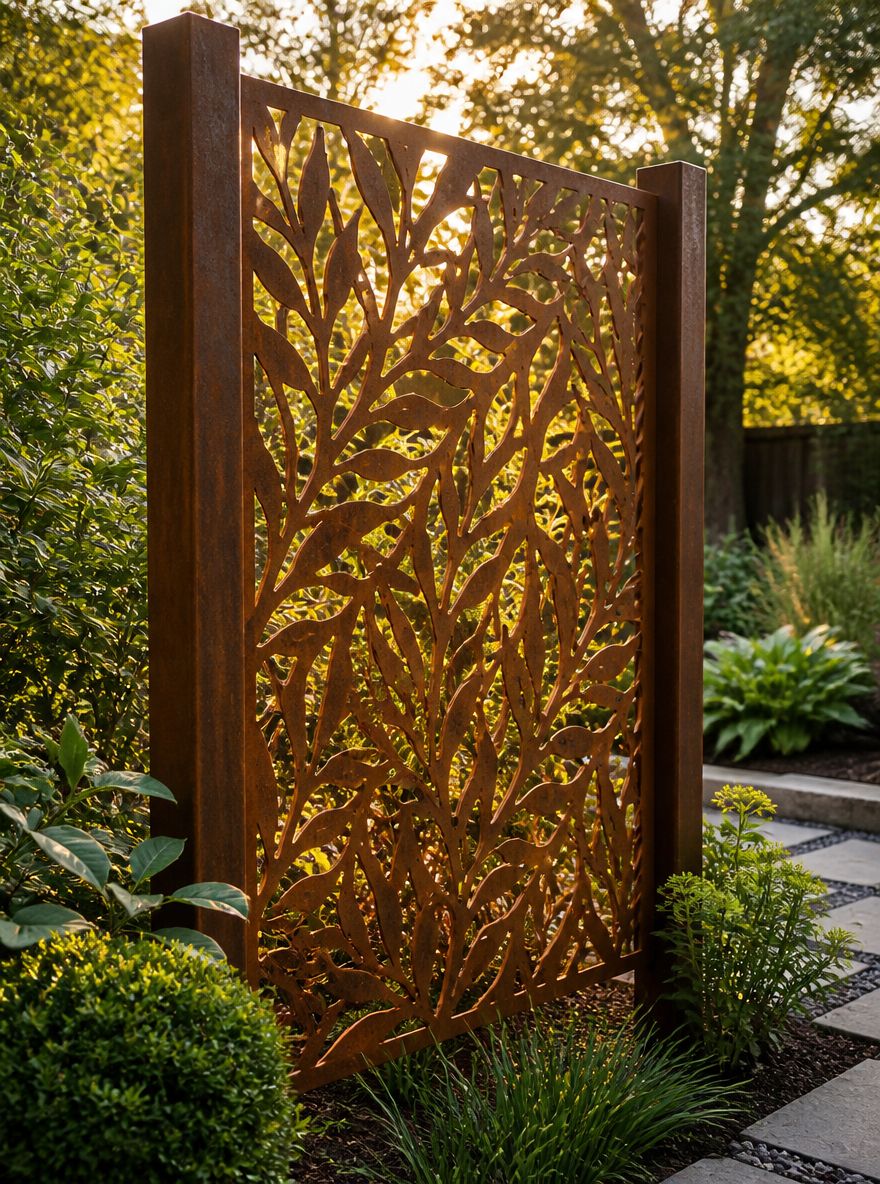
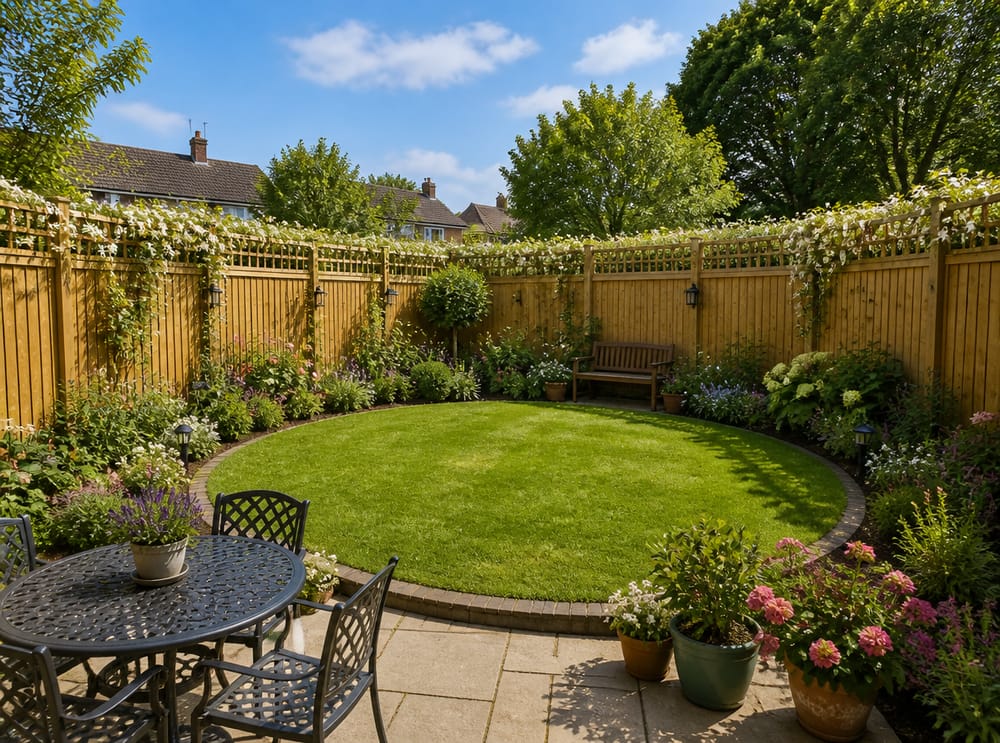
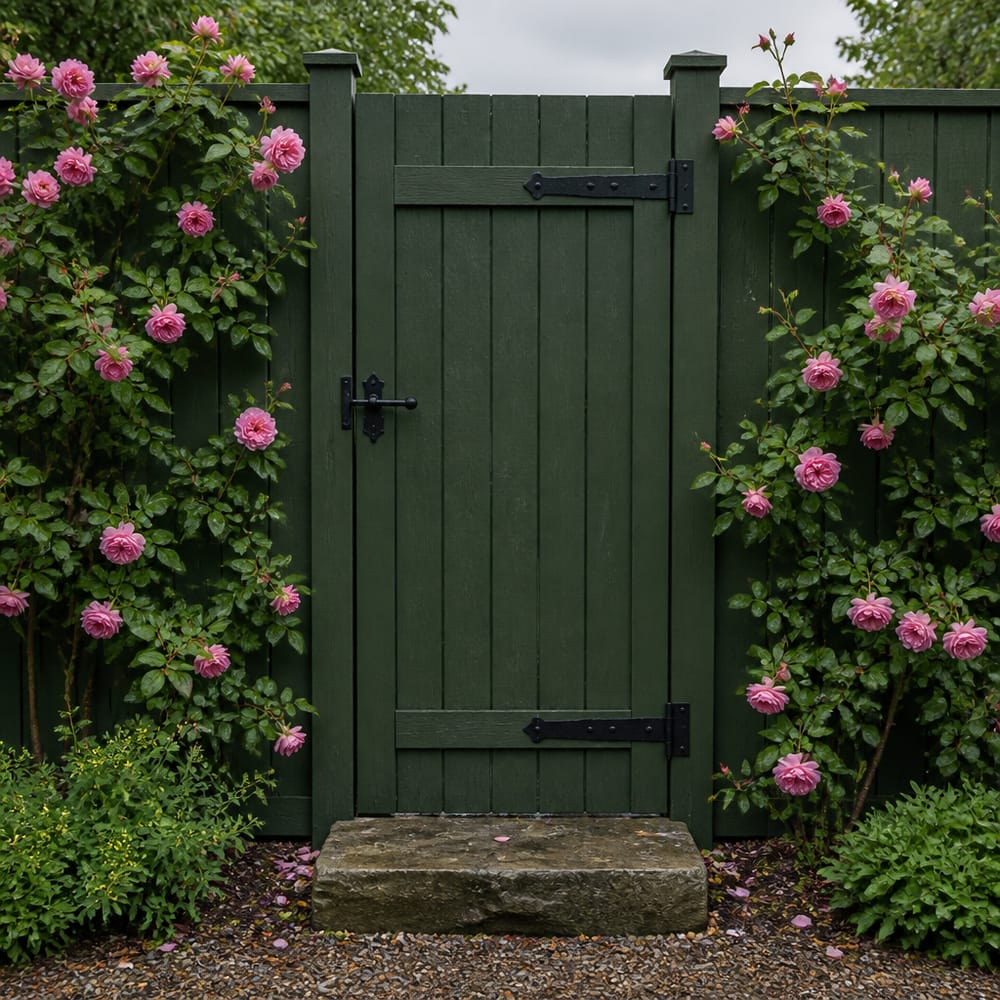
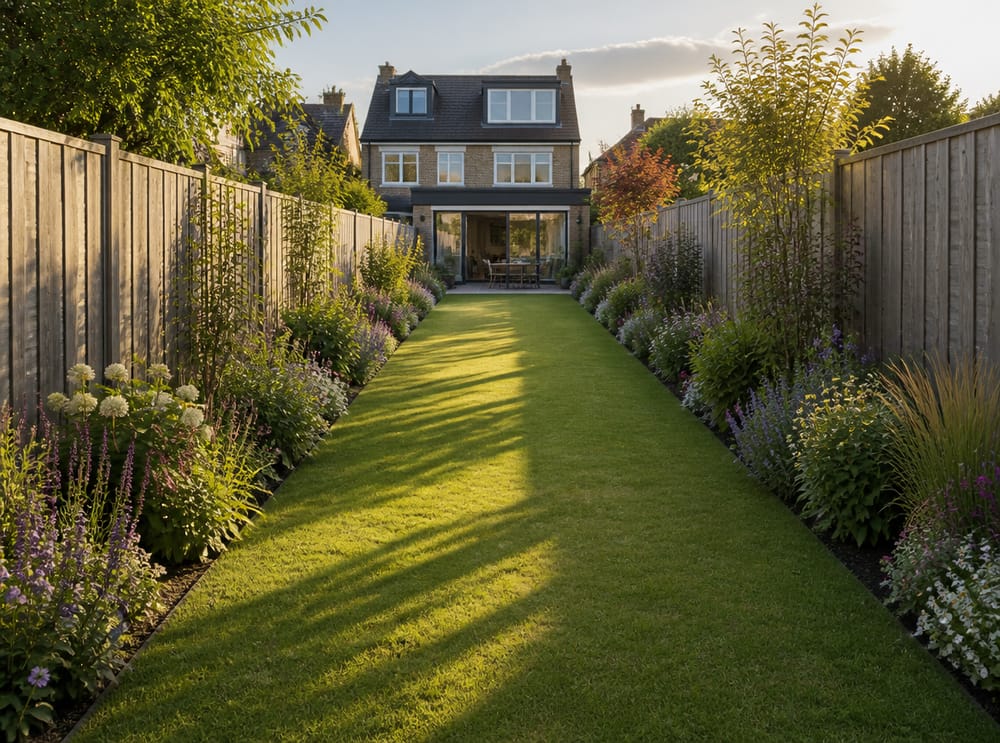
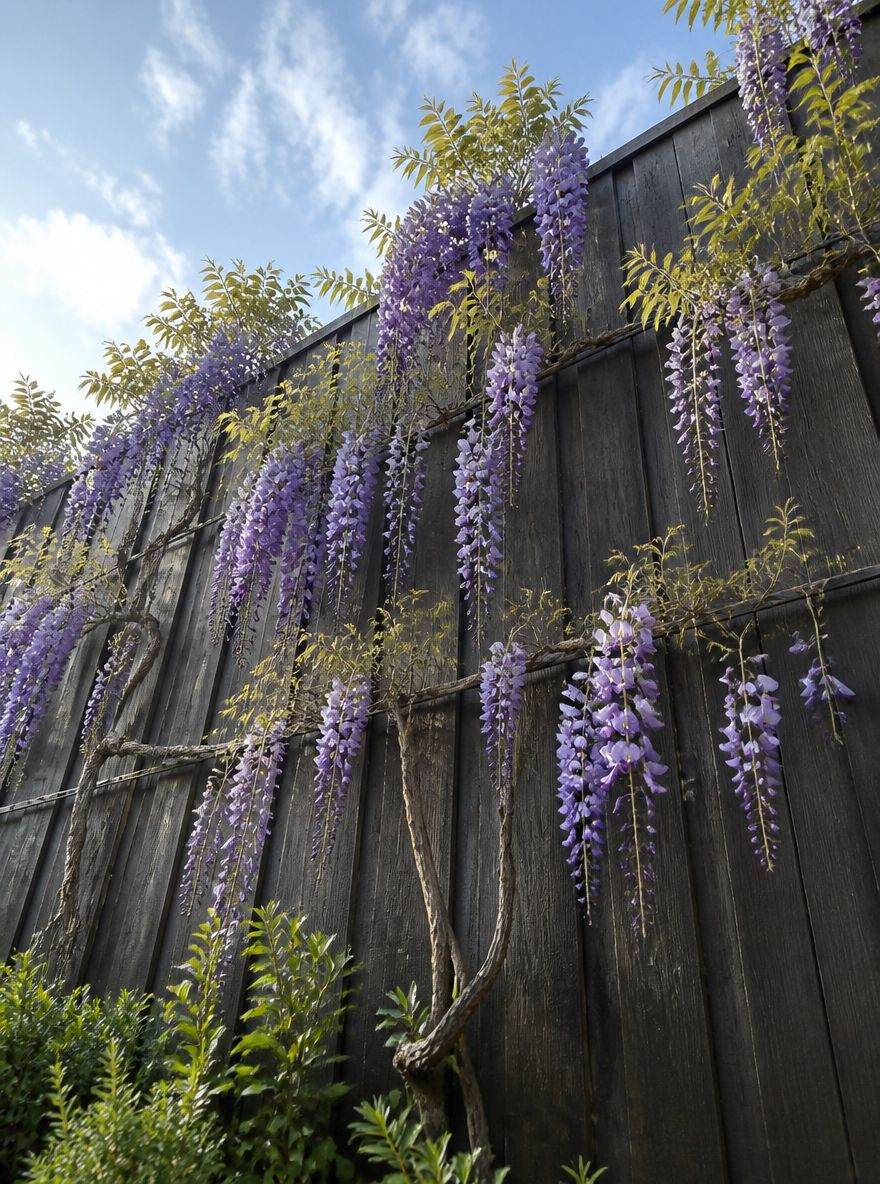
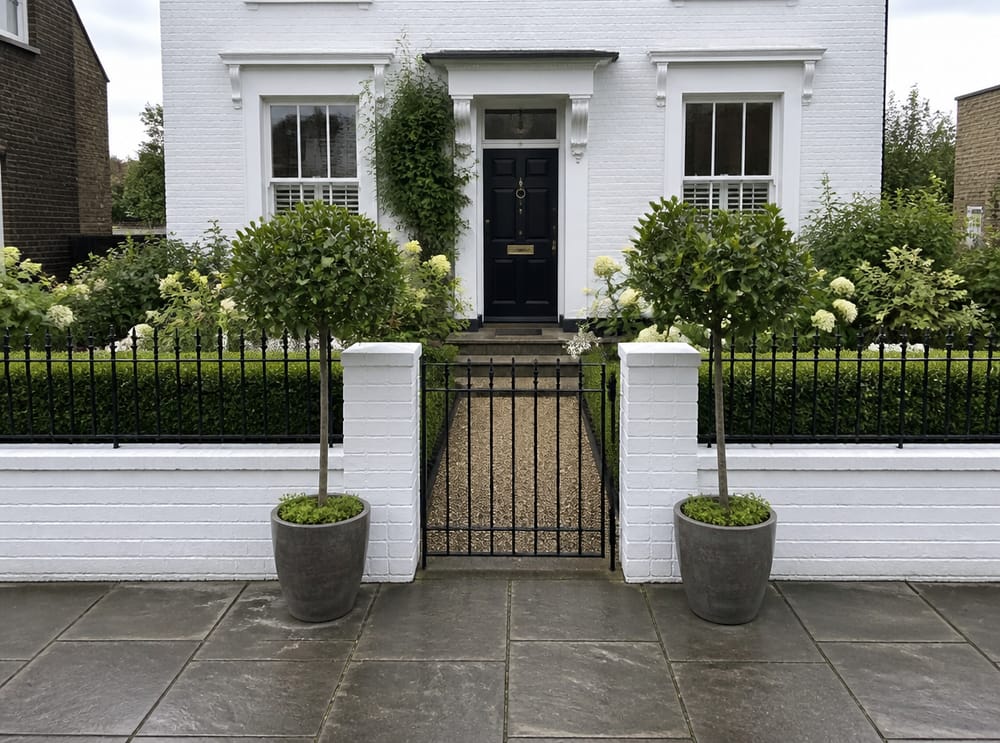
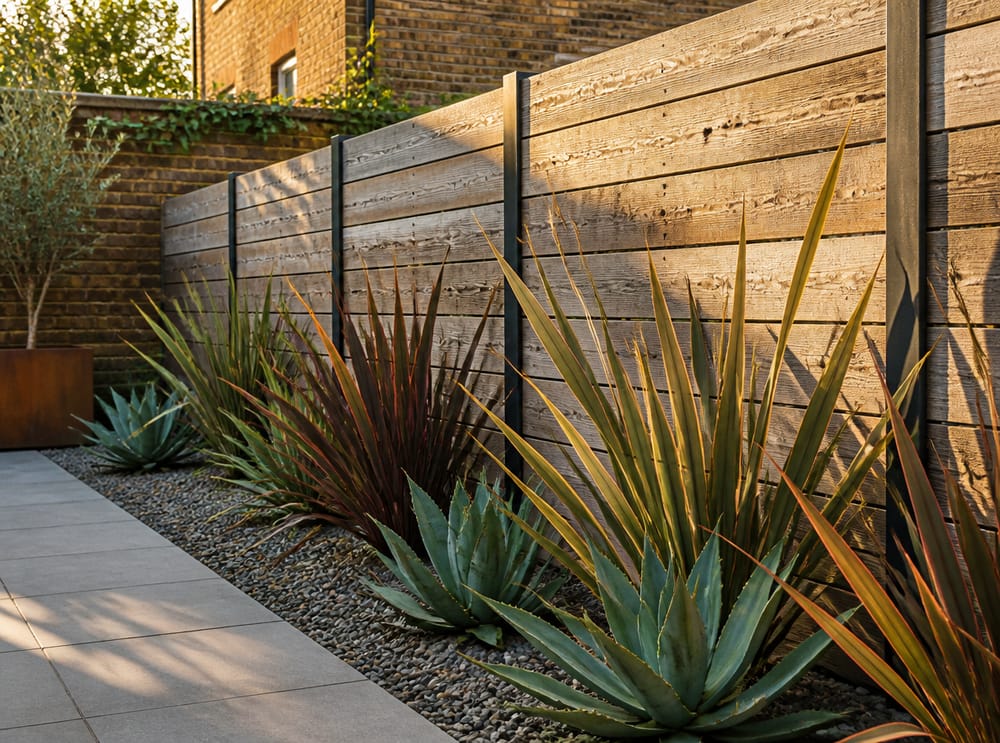
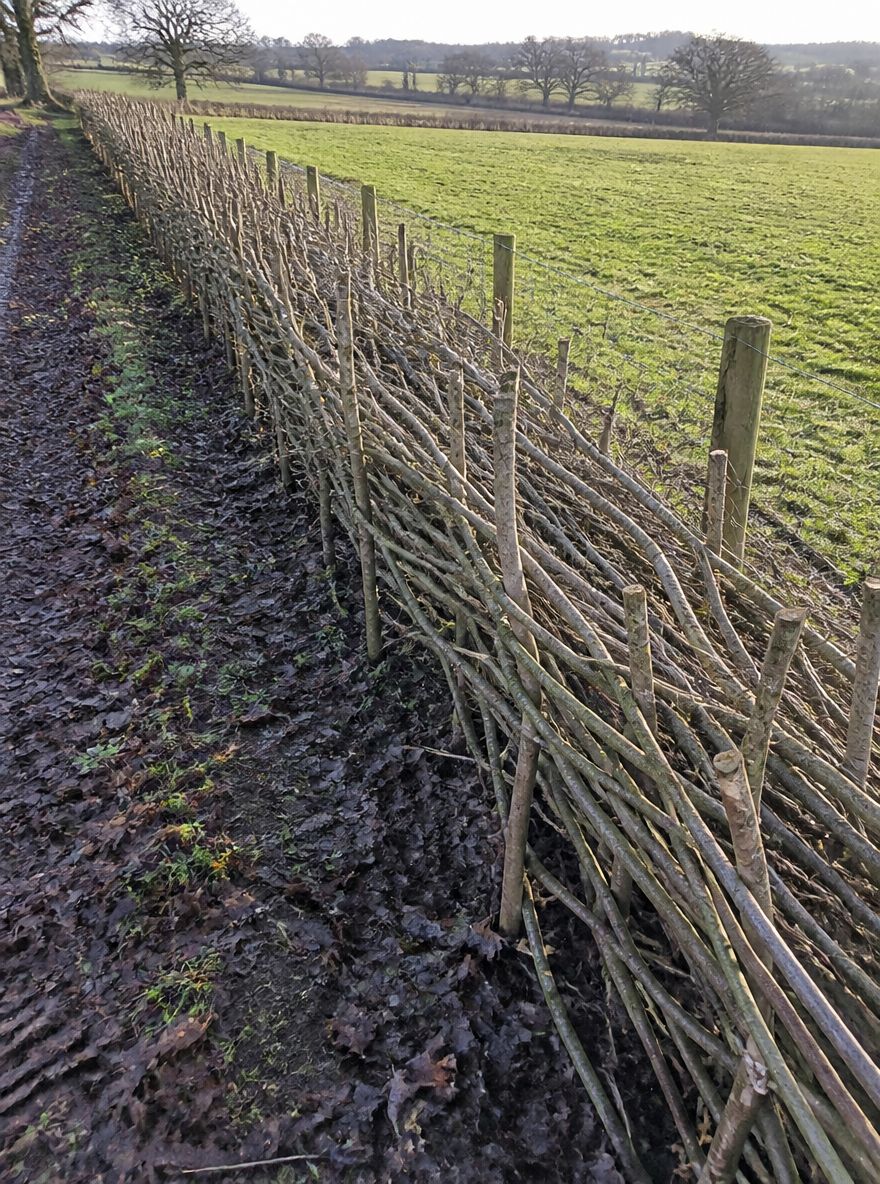
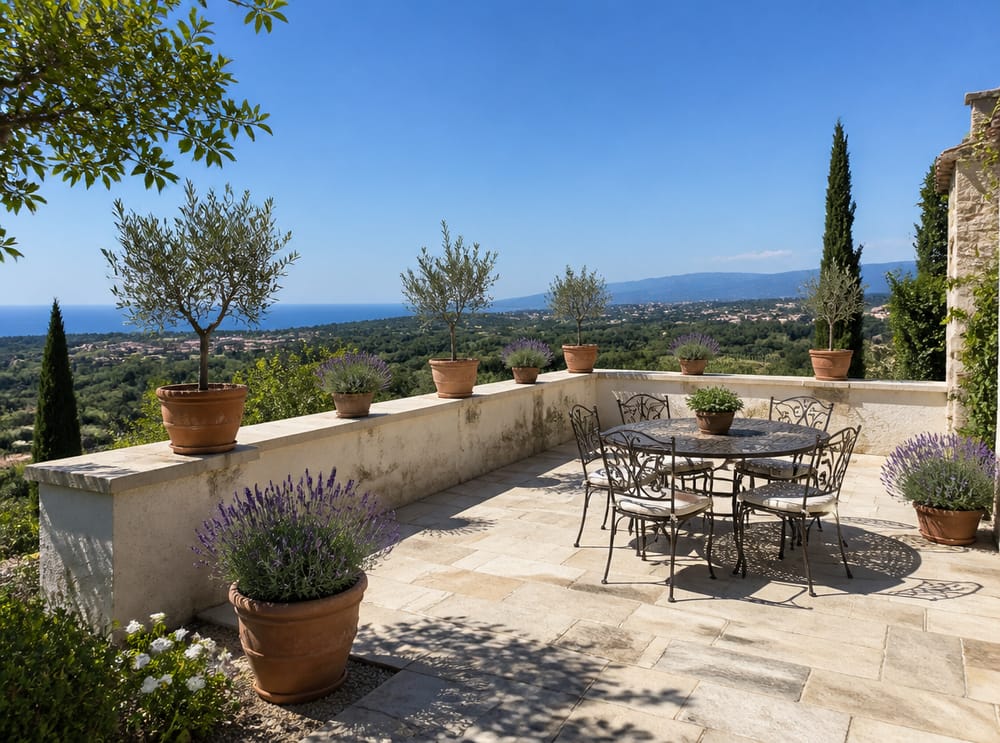
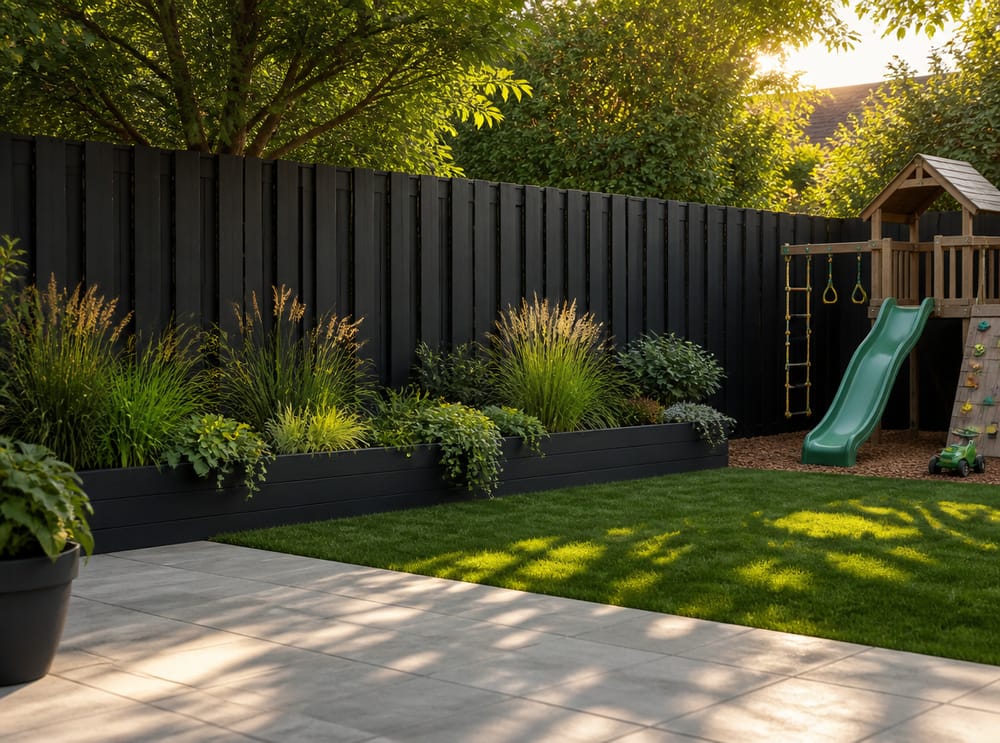
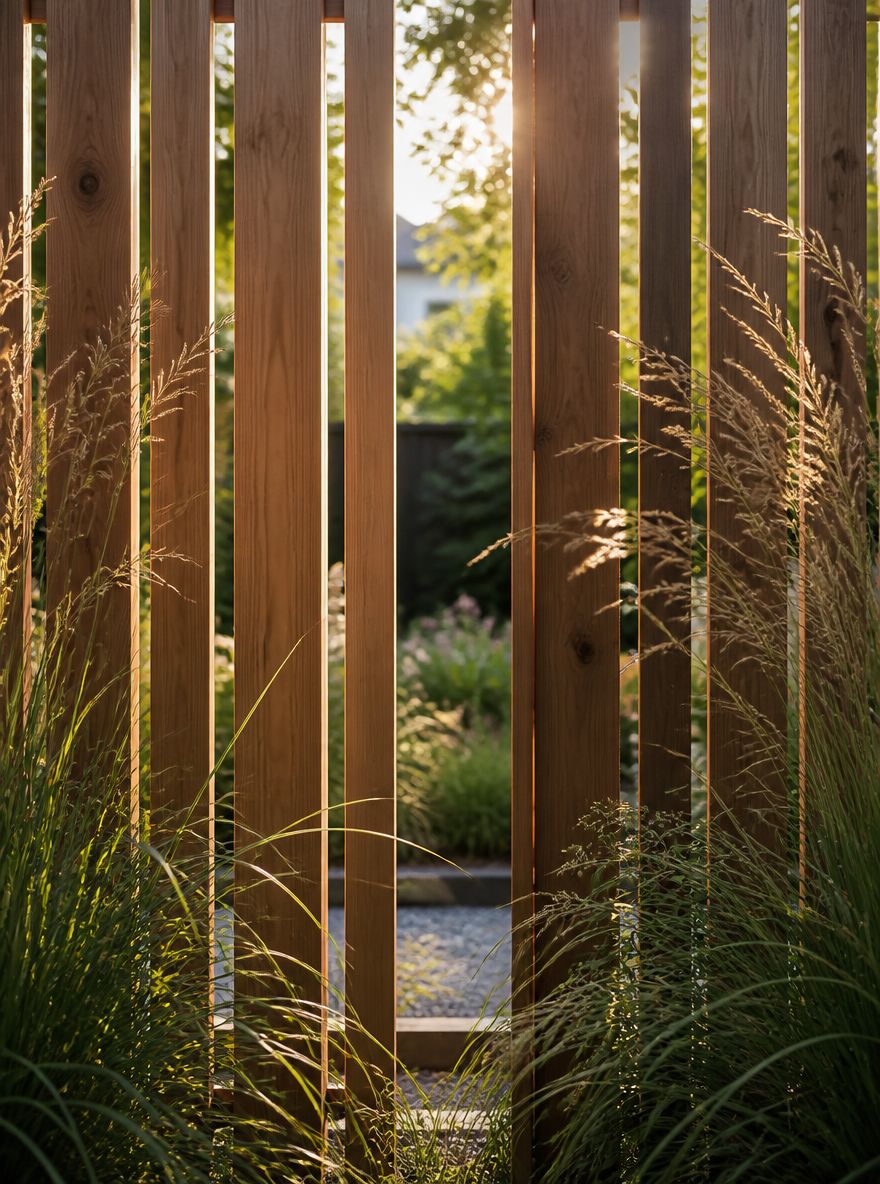
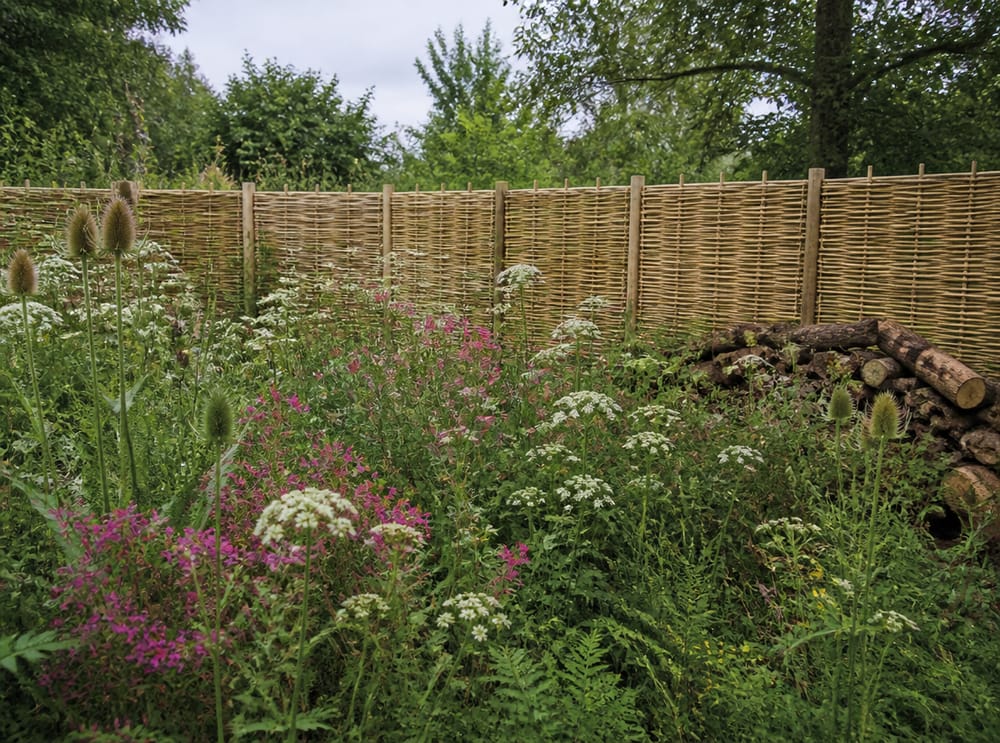
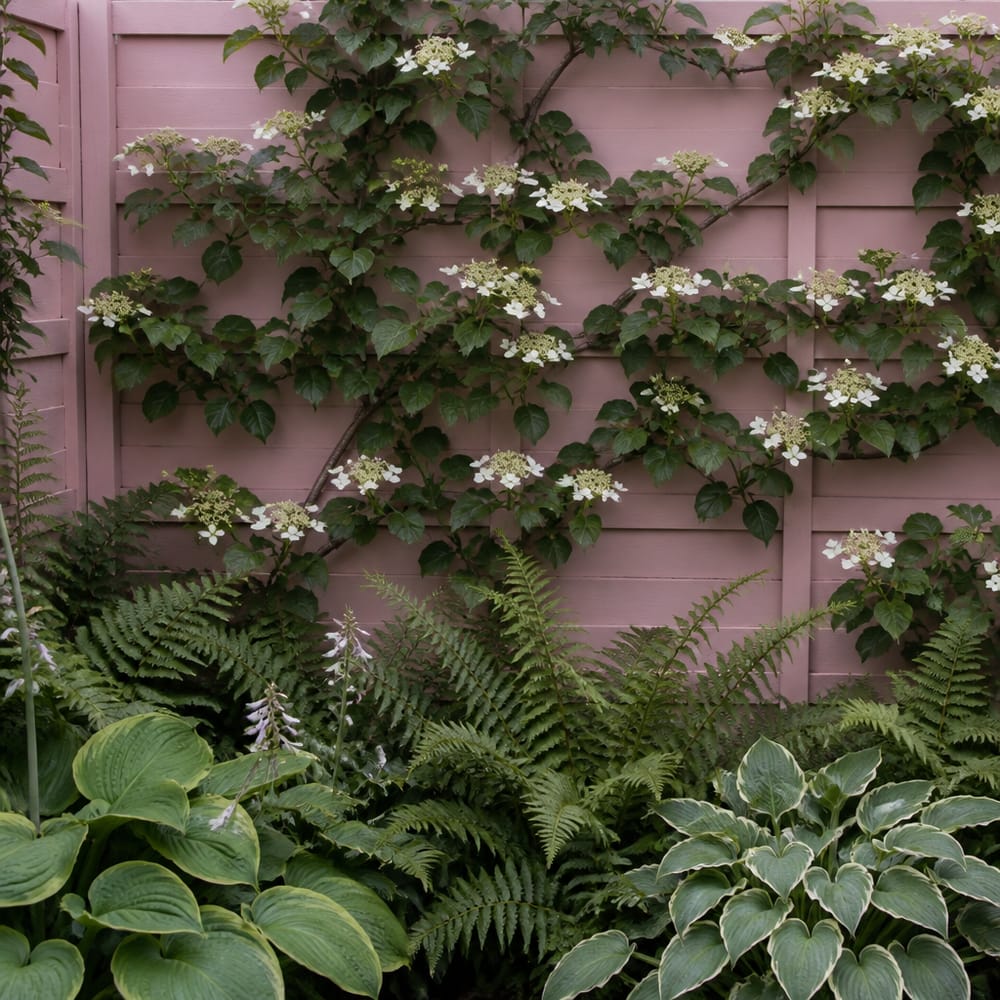
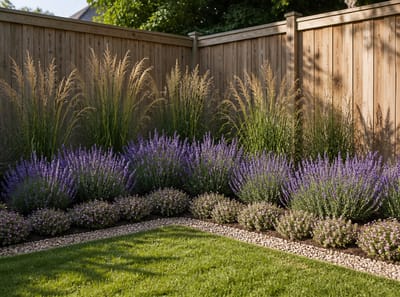
Good fencing does more than mark a boundary — it shapes how the whole garden feels, controlling sightlines, directing foot traffic, and giving climbing plants somewhere to go. The ideas here cover a range of approaches, from solid timber panels that create an immediate sense of enclosure to woven and open-frame screens that let light and air move through while still defining the space.
Choosing and Using Garden Fencing Well
- Match the fence height to its purpose: a low boundary marker reads as decorative, while anything intended for genuine privacy needs to sit above eye level from a seated position.
- Use the fence face as a planting opportunity — fixing horizontal timber battens or tensioned wires at intervals turns a plain panel into a trellis without structural changes.
- Alternate solid and open sections along a long run to avoid a tunnel effect; a section of metal railings or slatted screening breaks up an otherwise heavy timber boundary.
- Treat timber before it goes in the ground, not after — the cut ends are where moisture enters, so seal them thoroughly if you want the posts to last.
- Consider the view from inside the house as much as from the garden itself; a fence that looks right from the patio can still create an oppressive backdrop when seen through a kitchen window.
FAQ
Your room, redesigned in seconds
Your room, redesigned
Upload one photo — get 4 redesigns in under a minute. Free trial available.
- One photo, 4 redesigns
- ~45s to preview
- Free to try